 Skip to content
Contact Us: (901) 675-6125


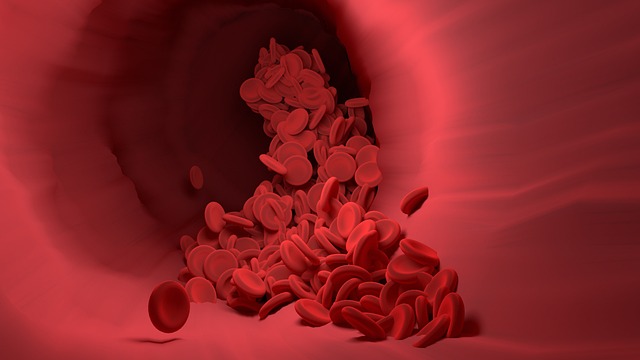
As women move through midlife, circulation often becomes an overlooked piece of health. Reduced blood flow doesn’t always announce itself loudly, but it can show up as cold hands and feet, low energy, exercise intolerance, brain fog, or slower recovery. Over time, impaired circulation can influence metabolic health, cardiovascular risk, and overall vitality.
Blood flow matters because it delivers oxygen and nutrients to tissues while helping remove metabolic waste. When circulation is compromised, muscles fatigue more quickly, energy dips are more common, and healing slows. For women over 40 (especially those managing insulin resistance, inflammation, or weight changes) supporting circulation becomes increasingly important.
Disclosure: Some links may direct you to my professional supplement dispensary. If you choose to purchase, I may receive a small commission at no additional cost to you.
Factors That Influence Healthy Blood Flow in the Body
Lifestyle factors play the largest role in maintaining healthy blood flow. Regular movement is one of the most effective strategies. Walking, strength training, and gentle cardiovascular exercise stimulate nitric oxide production, a compound that helps blood vessels relax and widen. Even short, consistent movement throughout the day improves circulation more effectively than sporadic intense workouts.
Nutrition also has a powerful impact. Foods rich in dietary nitrates (such as beets, arugula, spinach, and leafy greens) support nitric oxide production and vascular function. Omega-3 fatty acids from fatty fish, walnuts, and flaxseeds help reduce inflammation and support blood vessel health. Hydration is another foundational factor, as dehydration thickens blood and reduces circulation efficiency.
Can supplements really help improve blood flow?
Certain supplements may provide additional support when used appropriately. Ingredients such as L-citrulline, L-arginine, beetroot extract, and CoQ10 have been studied for their role in supporting nitric oxide production and cardiovascular function. However, supplements that affect circulation are not appropriate for everyone, especially those taking blood pressure medications, blood thinners, or managing chronic conditions.
For this reason, quality and guidance matter. Professional grade supplement dispensaries help ensure products meet safety and testing standards. If you choose to explore supplements, it’s important to do so thoughtfully and in coordination with your healthcare provider.
It’s also essential to emphasize a food-first approach. Supplements should support (not replace) foundational habits such as movement, balanced nutrition, sleep, and stress management. Chronic stress and poor sleep negatively impact blood vessel function by increasing cortisol and inflammation, further impairing circulation.
A Final Ample Thought
For women using GLP-1 medications, circulation still matters. Adequate protein intake, hydration, and movement help preserve muscle and vascular health during weight loss. Rapid weight loss without adequate nourishment can strain circulation and energy levels.
At Ample Health & Wellness, we encourage women to think about circulation as part of whole-body health—not just heart health. Supporting blood flow improves energy, exercise tolerance, metabolic function, and long-term resilience.
About the Author: Dr. Kisha Pickford, DNP, is a board-certified nurse practitioner and holistic nutrition weight loss coach at Ample Health & Wellness. She helps women over 40 achieve sustainable weight loss and whole-body wellness through holistic, evidence-based coaching.
Medical Disclaimer: This content is for educational purposes only and is not a substitute for medical advice. Always consult your healthcare provider before starting new supplements.