 Skip to content
Contact Us: (901) 675-6125


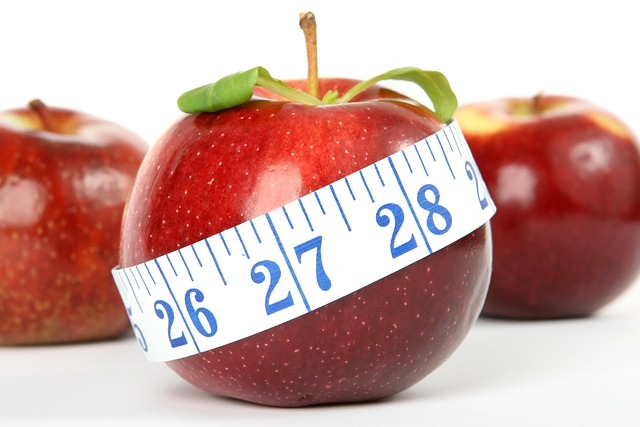
GLP-1 medications like Ozempic® and Mounjaro® have changed the weight loss conversation, especially for women over 40 who have struggled for years despite “doing everything right.” These medications work by reducing appetite, slowing gastric emptying, and helping people feel full sooner. But not everyone wants to take a GLP-1 or can. The good news is that many of the same mechanisms these medications target can also be supported naturally through lifestyle habits.
For women navigating midlife weight changes, the goal isn’t rapid loss. The goal is sustainable fat loss that protects muscle, hormones, and long-term health. Understanding how appetite regulation actually works can help you achieve steady progress, whether or not medication is part of your journey.
A Few Natural Ways to Curb Your Appetite
One of the most powerful appetite-regulating tools is protein. Protein stimulates satiety hormones like GLP-1 and peptide YY while reducing hunger signals such as ghrelin. Women over 40 often under-consume protein, especially at breakfast, which can lead to increased cravings later in the day. Prioritizing protein at each meal, particularly in the morning, can help stabilize appetite, reduce snacking, and support lean muscle mass.
Meal timing also plays a role in natural appetite control. Skipping meals or eating too little during the day can backfire by increasing hunger hormones and cortisol. Regular meals that include protein, fiber, and healthy fats help regulate blood sugar and prevent the intense hunger that leads to overeating. While intermittent fasting works well for some, it is not universally beneficial, especially for women experiencing hormonal shifts or high stress levels.

Another key factor is fiber intake. Fiber slows digestion, improves satiety, and supports gut health, all of which contribute to appetite regulation. Whole foods such as vegetables, legumes, berries, and whole grains help mimic the “fullness effect” many people experience on GLP-1 medications. Fiber also plays a role in blood sugar balance, which is critical for reducing cravings and supporting fat loss.
Sleep is one of the most overlooked appetite regulators. Poor sleep increases hunger hormones and decreases leptin, the hormone that signals fullness. Even one night of inadequate sleep can lead to increased calorie intake the following day. For women over 40, sleep disruptions related to stress or menopause can make appetite feel harder to manage. Improving sleep quality often leads to noticeable changes in hunger, energy, and food choices within weeks.
Stress management is another critical piece. Chronic stress raises cortisol levels, which can increase appetite and promote fat storage, particularly in the abdominal area. Many women notice that even with reduced calories, weight loss stalls when stress is high. Practices such as walking, breathing exercises, journaling, or mindfulness may seem simple, but they directly influence hormonal pathways tied to appetite and fat loss.
Reducing cravings without medication often comes down to stabilizing blood sugar and removing triggers. Highly processed foods, liquid calories, and frequent alcohol intake can drive cravings and disrupt satiety signals. Replacing these with whole foods, adequate hydration, and balanced meals creates an internal environment that supports appetite control naturally.
Strength training deserves special mention. While cardio burns calories, resistance training improves insulin sensitivity and helps preserve muscle mass, both of which support metabolic health and long-term weight maintenance. Muscle tissue is metabolically active, meaning it helps regulate glucose and energy use more efficiently, making appetite easier to manage over time.
So… What Are the Dos & Don’ts
It’s also important to address common mistakes that prevent natural results. Under-eating, over-exercising, ignoring sleep, and chasing extremes often lead to frustration rather than progress. Weight loss after 40 requires a different approach — one that supports hormones instead of fighting them.
For women who cannot or do not want to use GLP-1 medications, the most important advice is this: focus on habits that make appetite predictable rather than suppressed. Sustainable weight loss isn’t about forcing yourself to eat less; it’s about creating conditions where your body naturally feels satisfied with less.
Final Ample Thought
At Ample Health & Wellness, we help women over 40 build these habits through a whole-person approach that includes nutrition, mindset, movement, and hormonal support. Whether you’re using medication, considering it, or choosing a lifestyle-only path, you deserve guidance that supports long-term success and not short-term fixes.
About the Author: Dr. Kisha Pickford, DNP, is a board-certified nurse practitioner and holistic nutrition weight loss coach at Ample Health & Wellness. She helps women over 40 achieve sustainable weight loss and whole-body wellness through holistic, evidence-based coaching.