 Skip to content
Contact Us (720) 964-1335 or (901) 675-6125


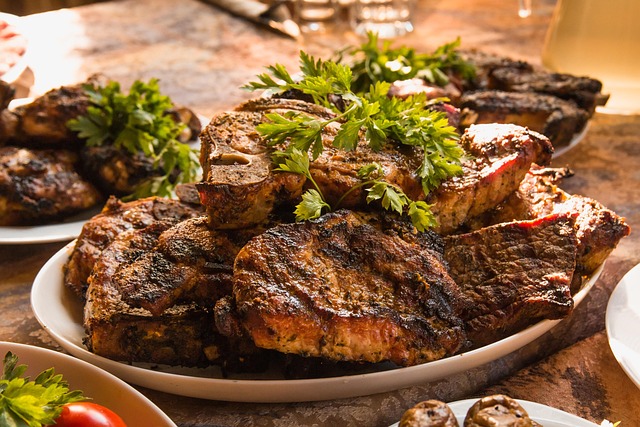
If there’s one nutrition topic that consistently confuses my clients, it’s protein. I’ve heard every version of it:
“I don’t want to eat too much and bulk up.”
“I think I get enough from veggies.”
“I only drink a shake after workouts.”
But here’s the truth: most women over 40 aren’t getting enough protein for what their bodies actually need. Protein isn’t just for athletes. It’s the foundation for hormonal balance, muscle preservation, energy, and a healthy metabolism. And after 40, when estrogen begins to decline and muscle naturally decreases, getting enough becomes even more important.
Why Protein Matters More After 40
Once you hit your forties, your body’s ability to use dietary protein efficiently starts to drop — a process called anabolic resistance. That means you need slightly more protein (not less) to maintain lean muscle and strength. Without enough, your metabolism slows, blood sugar swings more easily, and your ability to recover from exercise or illness declines. Even women who are “doing everything right” can plateau because they’re unintentionally under-fueling the very tissue that burns fat.
Protein also plays a critical role in hormone production. Amino acids are used to build and regulate key hormones such as estrogen, insulin, and thyroid hormones — all of which affect energy and fat metabolism.
The Science of Satiety: Why Protein Keeps You Full Longer
One of the simplest yet most powerful benefits of protein is satiety. Studies show that higher-protein meals decrease hunger hormones and increase fullness hormones like peptide YY and GLP-1 — the same hormone family targeted by popular weight-loss injections (Kasvis et al., 2024). That’s why balanced meals rich in protein help control cravings naturally, without the need for extreme calorie cuts. In practice, this might look like:
- Greek yogurt or eggs at breakfast instead of a bagel
- Grilled chicken or lentil salad at lunch
- Salmon, beans, or tofu at dinner paired with veggies and healthy fats
You’ll notice you snack less, think about food less, and feel more energized throughout the day.
How Much Protein Do You Really Need?
Most research supports a daily intake of 1.2–1.6 grams of protein per kilogram of body weight for women over 40 aiming to preserve lean mass (Phillips et al., 2023). For a 160-pound woman, that’s roughly 87–115 grams per day (divided across meals). Here’s what that looks like in real life:
- 🥚 2 eggs = 14g
- 🍗 3 oz chicken breast = 26g
- 🧀 ½ cup cottage cheese = 14g
- 🥛 1 scoop protein powder = 20–25g
- 🥬 1 cup cooked lentils = 18g
If you hit at least 25–30 grams at each main meal, you’re likely close to target.
Quality Over Quantity
Not all protein sources are created equal. Focus on foods that deliver complete amino acids and minimal additives. Best sources include:
- Lean meats (chicken, turkey, fish)
- Eggs and dairy (Greek yogurt, cottage cheese)
- Plant options (tofu, tempeh, edamame, lentils, quinoa)
- Protein powders made from whey, pea, or rice isolates (choose unsweetened or naturally flavored)
Mixing plant and animal sources helps improve amino acid variety and digestibility.
Protein Timing and Distribution
Rather than loading up at dinner, aim for even distribution across your day. Research shows that spreading protein evenly (about 30g per meal) enhances muscle repair and glucose regulation (Hudson et al., 2023). A sample schedule might look like:
- Breakfast: Greek yogurt with berries + nuts
- Lunch: Turkey and avocado wrap or quinoa salad
- Snack: Protein smoothie or boiled eggs
- Dinner: Baked salmon, roasted veggies, olive oil drizzle
Consistent intake keeps your metabolism humming and supports stable blood sugar which is critical for weight management in midlife.
Beyond the Scale: Hormones, Mood & Energy
Protein influences more than body composition, it affects how you feel. Protein stabilizes energy, supports neurotransmitters like serotonin and dopamine (which impact mood), and assists in liver detoxification. Low-protein diets, on the other hand, often lead to fatigue, brittle hair, and poor recovery. For women balancing work, family, and hormone shifts, that’s a recipe for burnout.
Coach’s Corner: Building “FRESH Plates”
At Ample Health & Wellness, I teach clients to use my FRESH Plate Method—a simple visual guide that ensures every meal has the right balance:
🥗 1/3 Protein – the anchor of the meal (grilled fish, eggs, lentils)
🥦 1/3 Fiber-rich Plants – greens, veggies, beans, or fruit
🥑 1/3 Healthy Fats & Smart Carbs – avocado, olive oil, or quinoa
This isn’t dieting. It’s a method for designing your plate for hormones, metabolism, and mood. Protein sits at the center of this method because it stabilizes everything else. When you eat balanced, you eat less out of stress and more out of alignment. That’s food freedom in action.
The Ample Takeaway
If you’ve been cutting calories or skipping meals, your metabolism may just need more support, not more restriction. Protein fuels recovery, stabilizes hormones, and helps you build a body that burns efficiently. You don’t have to overhaul your diet overnight. Start by adding protein to what you already eat—an egg with your oatmeal, Greek yogurt as a snack, or chicken with your pasta. Those small steps build a foundation your 40+ body will thank you for.
And if you need help creating balanced, hormone-friendly meals, my FRESH Start Holistic Weight Loss Program teaches exactly how to build nourishing plates that work with your body, not against it.
About the Author: Written by Dr. Kisha Pickford, DNP, a Nurse Practitioner and Certified Holistic Nutrition Weight Loss Coach at Ample Health & Wellness. She helps women 40+ achieve sustainable weight loss and whole-body wellness.
📚References
- Hudson, J. L., et al. (2023). Even protein distribution improves muscle mass and metabolic health in middle-aged adults: A randomized trial. American Journal of Clinical Nutrition, 118(4), 902–911.
- Kasvis, P., et al. (2024). Protein intake and appetite hormone regulation in midlife women: A cross-sectional study. Nutrients, 16(3), 712.
- Phillips, S. M., & Paddon-Jones, D. (2023). Protein requirements for healthy aging: Rethinking recommendations. Frontiers in Nutrition, 10, 1156872.