 Skip to content
Contact Us: (901) 675-6125


A Quick Update for My Readers:
Starting June 2025, I’ll be transitioning to a once-a-week blog posting schedule. This change is part of our company’s focus on wellness and growth—ensuring that I can create high-quality, valuable content for you while maintaining a balanced, sustainable schedule. By adjusting my posting frequency, I’m able to prioritize both content creation and my overall well-being, which ultimately benefits you too! I appreciate your understanding and look forward to continuing to share helpful insights with you each week.
Introduction
When it comes to weight loss, we often focus on our bodies, but our brains need nourishment too. In fact, what you eat has a direct impact on your brain health, affecting everything from memory and mood to cognition and focus. As we age, maintaining brain health becomes even more critical, especially for women over 40 who may experience hormonal changes that affect mental clarity and energy.
But what exactly should you eat to boost brain function and keep your mind sharp? Let’s explore the best foods and habits for supporting brain health and how Ample Health & Wellness can help guide you on the journey.

Brain-Boosting Foods: What to Include in Your Diet
Your brain needs a mix of nutrients to function at its best. These are the foods you should prioritize:
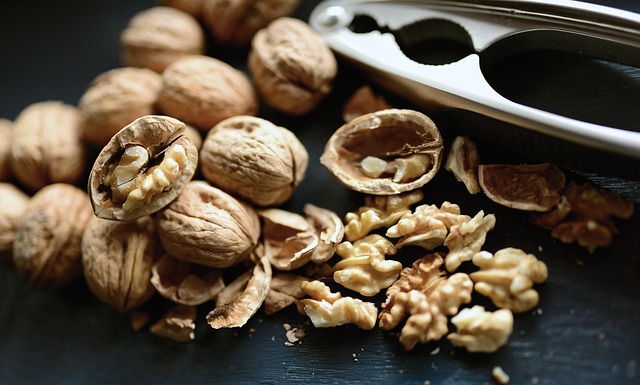
- Omega-3 Fatty Acids: Omega-3s are essential fats that support brain structure and function. They’re found in fatty fish like salmon, mackerel, and sardines, as well as plant sources like flaxseeds, chia seeds, and walnuts. Omega-3s have been shown to improve memory, reduce brain inflammation, and protect against cognitive decline.
- Antioxidants: Foods rich in antioxidants help combat oxidative stress, which can damage brain cells over time. Berries like blueberries, strawberries, and blackberries are packed with antioxidants, particularly anthocyanins, which have been linked to improved memory and cognitive function. Green leafy vegetables like spinach and kale also contain high levels of antioxidants.
- B Vitamins: B vitamins, especially B6, B12, and folate, are critical for brain health. They help regulate mood, reduce stress, and support cognitive function. You can find these vitamins in foods like eggs, beans, leafy greens, whole grains, and lean meats.
- Vitamin E: This vitamin plays a vital role in protecting brain cells from damage. Foods rich in vitamin E include nuts (like almonds), seeds, and vegetable oils. Vitamin E has been linked to a lower risk of Alzheimer’s disease and cognitive decline in older adults.
- Healthy Fats: Healthy fats, particularly those found in avocados, olive oil, and nuts, provide the brain with long-lasting energy. These fats are important for maintaining the integrity of brain cell membranes and supporting cognitive function.
- Turmeric: This golden spice contains curcumin, a powerful compound with anti-inflammatory and antioxidant properties. Studies suggest that curcumin can cross the blood-brain barrier and may help improve memory and stimulate the production of brain-derived neurotrophic factor (BDNF), a protein associated with brain growth and repair.

Lifestyle Tips for Supporting Brain Health
In addition to eating the right foods, certain lifestyle habits can further enhance brain function:
- Stay Hydrated: Dehydration can impair cognitive function, so make sure you’re drinking enough water throughout the day. Aim for at least 8 glasses per day, and more if you’re physically active.
- Get Enough Sleep: Sleep is essential for memory consolidation and cognitive health. Adults should aim for 7–9 hours of quality sleep each night to give the brain time to rest and rejuvenate.
- Exercise Regularly: Physical activity not only supports weight loss but also improves blood flow to the brain, which can enhance cognitive function and protect against memory loss. Aim for at least 150 minutes of moderate exercise per week.
- Reduce Stress: Chronic stress can have a negative impact on the brain, so it’s important to incorporate stress-reducing practices into your routine. Meditation, deep breathing exercises, and yoga can help manage stress and improve brain function.
How Ample Health & Wellness Can Help
At Ample Health & Wellness, we believe that true wellness includes not only physical health but mental and emotional well-being. Our approach to brain health includes:
✔️ Personalized Nutrition Plans: We’ll help you choose the right foods to support both your body and brain health.
✔️ Mindfulness and Stress Management: We provide mindfulness techniques to help reduce stress, increase focus, and support overall brain function.
✔️ Holistic Coaching: Whether you’re focused on weight loss or improving mental clarity, our holistic approach addresses both nutrition and lifestyle to create lasting change.
Final Ample Thoughts
Eating for brain health is just as important as eating for physical health. By incorporating brain-boosting foods like omega-3s, antioxidants, and B vitamins, along with practicing healthy lifestyle habits, you can improve mental clarity, focus, and cognitive function.
At Ample Health & Wellness, we offer the support and guidance you need to make brain health a priority, alongside your physical health goals. Whether you’re looking to optimize your diet, reduce stress, or improve your overall well-being, we’re here to help you live a balanced, thriving life.

About the Author: Written by Dr. Kisha Pickford, DNP, a Nurse Practitioner and Certified Holistic Nutrition Weight Loss Coach at Ample Health & Wellness. She helps women 40+ achieve sustainable weight loss and whole-body wellness.
📚References
Gomez-Pinilla, F. (2008). Brain foods: The effects of nutrients on brain function. Nature Reviews Neuroscience, 9(7), 568–578.
Solfrizzi, V., et al. (2017). Mediterranean diet, cognitive decline, and dementia: A systematic review. Journal of Nutritional Health & Aging, 21(2), 149–160.
Kalmijn, S., et al. (2004). Dietary fat intake and the risk of dementia in the Rotterdam Study. Neurology, 63(8), 1445–1451. https://doi.org/10.1212/01.WNL.0000148832.12068.7F