 Skip to content
Contact Us: (901) 675-6125


If sleep has started to feel harder after 40, you’re not imagining it. Many women notice that falling asleep takes longer, staying asleep feels unpredictable, and waking up refreshed becomes less consistent. While hormones and stress often get the blame, one overlooked factor plays a surprisingly large role: evening light exposure.
Modern life keeps us surrounded by screens (phones, tablets, TVs, and laptops) well into the evening hours. This constant exposure to artificial light, especially blue light, can quietly disrupt the body’s natural sleep-wake rhythm, also known as the circadian rhythm.
Disclosure: This article contains affiliate links. We may earn a small commission if you purchase through these links and there is no additional cost to you. These commissions help support the wellness education and resources provided through Ample Health & Wellness.
How Light Affects Sleep After 40
The body relies on light cues to regulate melatonin, the hormone responsible for signaling when it’s time to sleep. Blue light exposure in the evening can delay melatonin release, making it harder to feel sleepy at bedtime. After 40, women may be more sensitive to these disruptions due to hormonal shifts that already affect sleep quality. The result is often a cycle of late nights, light sleep, and early waking.
Why This Matters for Weight and Metabolic Health
Sleep is deeply connected to metabolism. When sleep is disrupted, the body may:
- experience higher cortisol levels
- struggle with blood sugar regulation
- increase cravings and appetite
- feel more fatigued during the day
For women focused on weight loss or metabolic health, poor sleep can quietly undermine progress, even when nutrition and movement are consistent.
Creating a Healthier Evening Light Routine
Supporting sleep doesn’t require perfection. Small, consistent changes can make a meaningful difference, such as:
- dimming lights after sunset
- reducing screen time before bed
- switching devices to night mode
- creating a calming pre-bed routine
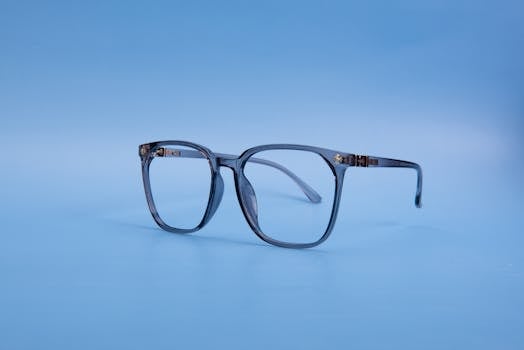
Some women also explore light-management tools, such as blue light–blocking eyewear, to reduce exposure while still navigating modern screen use.
A Supportive Option to Explore
I’ve added a supportive sleep and light-management resource to the Ample Health & Wellness recommendation list for women who want to explore tools that fit into a healthier evening routine.
This is not a medical treatment. Just a lifestyle-based option for women who want to better support sleep hygiene as part of their wellness journey.
Final Ample Thoughts
Sleep after 40 isn’t about doing everything perfectly. It’s about understanding how your environment affects your body and making small, supportive changes that add up over time. Improving your evening light environment may be one simple step toward deeper rest, lower stress, and better overall wellness.
About the Author: Dr. Kisha Pickford, DNP, is a board-certified nurse practitioner and holistic nutrition weight loss coach at Ample Health & Wellness. She helps women over 40 achieve sustainable weight loss and whole-body wellness through holistic, evidence-based coaching.