 Skip to content
Contact Us: (901) 675-6125


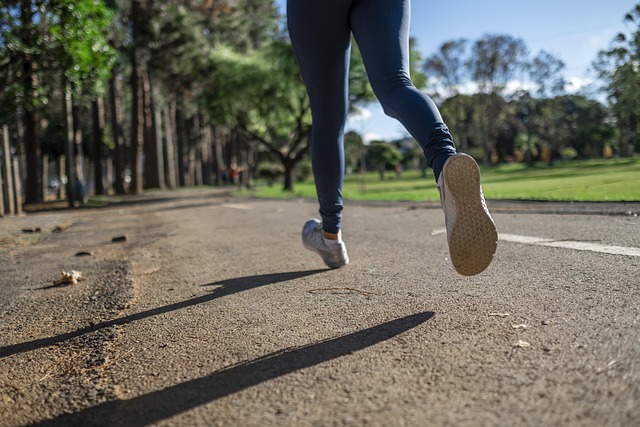
As women move through their 40s and beyond, aches, stiffness, and lingering soreness can start to feel like an unavoidable part of life. Joints don’t bounce back as quickly, muscles feel tighter after workouts or even after sitting too long, and recovery takes more intention than it once did. The good news is that mobility doesn’t have to mean intense workouts or expensive therapies. Often, it starts with small, consistent recovery habits. Mobility-focused tools are becoming a popular option for women who want to stay active, reduce discomfort, and protect long-term joint health—without relying on medications.
Disclosure: This article contains affiliate links. We may earn a small commission if you purchase through these links and there is no additional cost to you. These commissions help support the wellness education and resources provided through Ample Health & Wellness.
Why Mobility and Recovery Change After 40
Several factors contribute to increased stiffness and discomfort in midlife, including:
- Natural loss of muscle elasticity and collagen
- Hormonal shifts that affect inflammation and joint lubrication
- Less spontaneous movement throughout the day
- Longer recovery times after exercise or physical stress
Ignoring mobility can lead to a cycle of pain → less movement → more stiffness. Prioritizing recovery helps interrupt that cycle.
How Targeted Recovery Supports Everyday Movement
Recovery tools designed for mobility and myofascial release can help by:
- Increasing blood flow to tight muscles
- Supporting flexibility and range of motion
- Reducing post-workout soreness
- Making movement feel more comfortable and accessible
These tools don’t replace exercise or stretching, but they can make staying consistent much easier.
A Simple Tool to Support Mobility at Home
For women looking for a convenient, at-home option, Thriival mobility and recovery tools are designed to support muscle release and movement without complicated setups. These tools are commonly used to target areas like:
- Hips and hip flexors
- Lower back
- Glutes and hamstrings
- Quads and calves
Because they’re easy to use, they can fit into short recovery sessions …before a workout, after movement, or even while winding down in the evening.
How This Fits Into a Holistic Wellness Approach
At Ample Health & Wellness, we focus on sustainable habits that support the whole body and not quick fixes. Mobility and recovery are foundational to long-term wellness, especially for women navigating weight changes, hormonal shifts, or restarting movement after time away.
Recovery tools like Thriival work best when paired with:
- Gentle strength training
- Daily movement (walking, stretching, mobility flows)
- Adequate sleep and hydration
- Mindful stress management
The goal isn’t perfection — it’s consistency.
Final Ample Thoughts
Staying mobile after 40 doesn’t require extreme routines or pushing through pain. With the right tools and a supportive approach, recovery can feel manageable and empowering. Small, intentional steps toward better mobility today can make a meaningful difference in how your body feels tomorrow and for years to come.

About the Author: Dr. Kisha Pickford, DNP, is a board-certified nurse practitioner and holistic nutrition weight loss coach at Ample Health & Wellness. She helps women over 40 achieve sustainable weight loss and whole-body wellness through holistic, evidence-based coaching.