 Skip to content
Contact Us 720-964-1335 or 901-675-6125

Foods You Should Avoid While Taking GLP-1 Weight Loss Medications

GLP-1 medications like semaglutide (Ozempic®, Wegovy®) and tirzepatide (Mounjaro®, Zepbound®) are powerful tools for weight loss and blood sugar management. They work by slowing digestion, regulating appetite, and stabilizing blood sugar. But here’s the thing: what you eat while taking these medications still matters …a lot.
Certain foods can worsen side effects, blunt results, or even set back your progress. If you’re on a GLP-1 weight loss medication, knowing what to avoid can make the difference between smooth progress and daily discomfort.
Why Food Matters on GLP-1s
GLP-1 medications slow gastric emptying, meaning food stays in your stomach longer. That’s why many people feel fuller faster, but it also makes you more sensitive to foods that are greasy, sugary, or heavy. Eating the wrong thing can trigger nausea, bloating, or even vomiting. Your body is working hard to adjust. Choosing foods that are easier to digest, nutrient-dense, and blood sugar friendly will support both the medication and your long-term goals.
Foods You Should Limit or Avoid
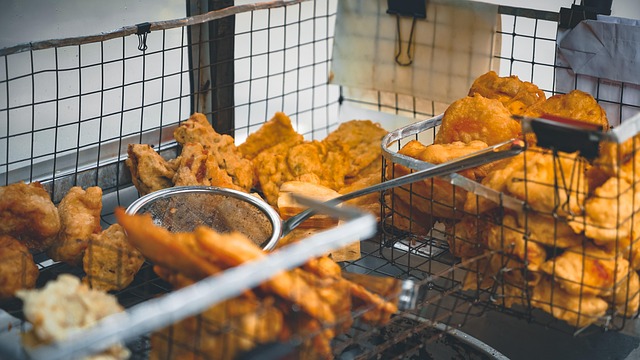
1. Greasy, Fried Foods
Why: High-fat fried foods (think fast food, fried chicken, French fries) are hard to digest and can cause nausea, reflux, or diarrhea.
Better choice: Baked, grilled, or air-fried options.
2. Sugary Sweets & Desserts
Why: GLP-1s already lower blood sugar. Adding in candy, cakes, or soda can cause sharp spikes followed by crashes, leaving you fatigued and craving more.
Better choice: Fruit with protein (like apple slices with nut butter).
3. Highly Processed Foods
Why: Processed snacks (chips, packaged pastries, frozen dinners) are low in nutrients and high in additives that may worsen bloating or GI issues.
Better choice: Whole-food snacks like nuts, Greek yogurt, or veggies with hummus.
4. Alcohol
Why: Alcohol can irritate the stomach, destabilize blood sugar, and add empty calories that counteract weight loss. It may also increase nausea.
Better choice: Sparkling water with lemon or non-alcoholic herbal drinks.
5. Carbonated Beverages
Why: Sodas, sparkling energy drinks, and even too much seltzer can cause gas and bloating, especially when digestion is slowed by GLP-1s.
Better choice: Infused water, iced green tea, or lightly flavored non-carbonated water.
6. Large, Heavy Meals
Why: Overeating or eating too quickly is one of the biggest triggers of nausea and vomiting with GLP-1s.
Better choice: Smaller, balanced meals throughout the day with protein, healthy fats, and fiber.
7. High-Sugar Alcohols
Why: Sugar alcohols (like sorbitol, mannitol, and xylitol in “diet” candies and gums) often cause bloating, cramping, and diarrhea.
Better choice: Moderation with naturally sweetened foods.
Foods That Support GLP-1 Success
Instead of focusing only on what not to eat, here’s what to build your meals around:
- Lean proteins (chicken, fish, eggs, beans, tofu)
- High-fiber foods (oats, chia seeds, lentils, leafy greens)
- Healthy fats (avocado, nuts, olive oil)
- Hydration with water, herbal teas, or broths
- Slow carbs (quinoa, sweet potatoes, brown rice)
These foods not only make GLP-1 side effects more manageable but also support your metabolism and energy.
Practical Tips for Eating on GLP-1s
- Eat slowly and stop when you feel full …don’t push past it.
- Space meals evenly throughout the day to prevent stomach overload.
- Keep bland, easy-to-digest foods on hand (like eggs, bananas, or broth) for days when nausea is worse.
- Track how different foods affect you …everyone’s tolerance is slightly different.
The Bottom Line
GLP-1 medications can be powerful allies in your weight loss journey, but food choices still matter. Steering clear of greasy, sugary, or overly processed foods helps minimize side effects and maximize results.
At Ample Health & Wellness, I help women over 40 build sustainable nutrition habits that work with, not against, their medications. Inside my FRESH Start Holistic Weight Loss Program and in my book The Weight Is Over, I give you the tools to succeed with or without GLP-1s.
👉🏾Learn more at amplehealthandwellness.com
References
- Nauck, M. A., & Meier, J. J. (2019). Incretin hormones: Their role in health and disease. Diabetes, Obesity and Metabolism, 21(1), 5–21.
- Davies, M. J., et al. (2021). Management of patients treated with GLP-1 receptor agonists: Guidance and practical tips. Diabetes, Obesity and Metabolism, 23(2), 464–476.
- Kushner, R. F., & Calanna, S. (2023). Practical guidance for GLP-1 receptor agonist use in obesity care. Nature Reviews Endocrinology, 19(2), 113–126.