 Skip to content
Contact Us: (901) 675-6125



After 40, many women begin noticing subtle changes that are difficult to explain. Hands feel colder. Workouts feel harder. Recovery takes longer. Brain fog creeps in during the afternoon. Fatigue feels deeper than just being “busy.” Hormones often take center stage in midlife conversations, and rightfully so, but one important factor is rarely discussed: circulation.
Healthy blood flow affects nearly every system in the body. When circulation is functioning well, energy feels steadier, thinking feels clearer, and recovery improves. When it’s compromised, symptoms can appear gradually and be misattributed to aging alone. Understanding how circulation works, and how to support it, empowers women to take a proactive, whole-health approach to midlife wellness.
Why Circulation Matters More After 40
Your circulatory system delivers oxygen and nutrients to every tissue in your body. It also removes waste products, supports immune function, and helps regulate temperature. Healthy circulation supports:
- Energy production at the cellular level
- Brain clarity and focus
- Hormone signaling
- Muscle recovery
- Cardiovascular resilience
- Metabolic efficiency
As women move through midlife, hormonal shifts (particularly changes in estrogen) influence blood vessel flexibility and vascular tone. Over time, stress, inflammation, poor sleep, and inactivity may also affect how efficiently blood flows through the body. The result is not always dramatic. Often, it’s subtle.
Nitric Oxide: The Quiet Regulator of Blood Flow
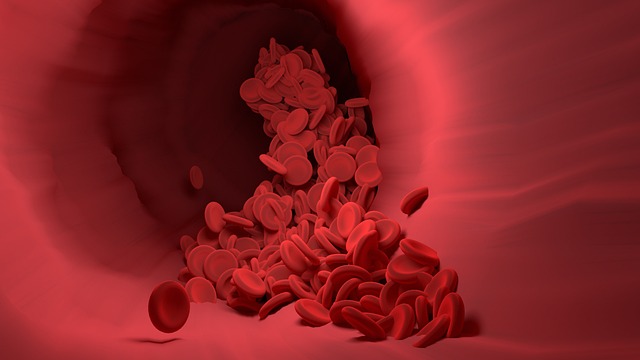
One of the most important regulators of circulation is nitric oxide, a molecule produced by the inner lining of your blood vessels. Nitric oxide helps blood vessels relax and widen, allowing blood to flow more easily.
When nitric oxide levels are adequate, vessels remain flexible and responsive. When levels decline, vessels may become more rigid or constricted, increasing strain on the cardiovascular system. Nitric oxide production naturally declines with age. It can also be reduced by:
- Chronic stress
- Elevated blood sugar
- Smoking
- Poor sleep
- Sedentary lifestyle
- Inflammation
Reduced nitric oxide availability may contribute to higher blood pressure, reduced exercise tolerance, slower recovery, and increased cardiovascular strain.
The Role of the Endothelium
The inner lining of your blood vessels, called the endothelium, plays a central role in vascular health. A healthy endothelium produces nitric oxide and supports smooth blood flow. When exposed to long-term stress, inflammation, high blood sugar, or oxidative damage, endothelial function can decline. This process, known as endothelial dysfunction, is often one of the earliest signs of cardiovascular strain — even before major symptoms appear. Supporting endothelial health is one of the most important preventive steps women can take after 40.
Subtle Signs Circulation May Need Support
Circulation challenges do not always present as obvious heart problems. Instead, women may notice:
- Cold hands or feet
- Reduced exercise endurance
- Slow wound healing
- Brain fog
- Persistent fatigue
- Elevated resting blood pressure
- Feeling “sluggish” despite adequate sleep
These symptoms do not automatically indicate disease. However, they may signal that vascular health deserves attention and support.

Lifestyle Habits That Support Healthy Circulation
Before turning to supplements, foundational habits should be addressed:
Movement: Regular walking and resistance training stimulate nitric oxide production and improve blood vessel flexibility. Even moderate daily movement improves endothelial function.
Nitrate-Rich Foods: Leafy greens such as spinach, arugula, kale, and vegetables like beets contain natural nitrates that the body converts into nitric oxide.
Deep Breathing: Slow, intentional breathing improves oxygen exchange and helps regulate vascular tone, especially when stress is high.
Sleep: Sleep deprivation increases inflammation and blood pressure, placing strain on the vascular system.
Stress Regulation: Chronic stress reduces nitric oxide availability and increases vessel constriction. Learning to regulate stress protects both circulation and overall health.
These habits align with a sustainable, whole-health framework rather than extreme or temporary approaches.
What About Supplements for Circulation?
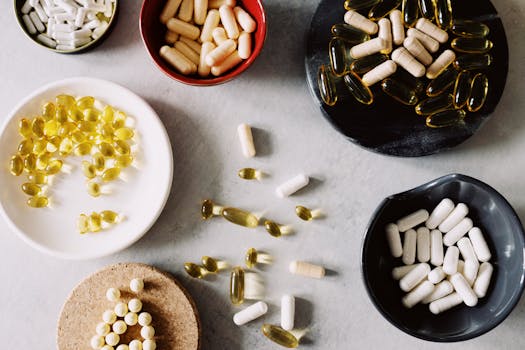
Several supplements are commonly marketed for circulation support, including:
- L-arginine
- L-citrulline
- Beetroot extract
- Omega-3 fatty acids
- Magnesium
Research suggests that dietary nitrates (such as beetroot) may improve endothelial function and exercise tolerance in certain populations. L-citrulline has shown modest improvements in blood pressure and vascular dilation in adults with mild hypertension. Omega-3 fatty acids may support vascular flexibility and reduce inflammation.
However, supplements are not universally effective, and responses vary between individuals. Women taking blood pressure medications, blood thinners, or managing cardiovascular conditions should consult a healthcare provider before starting circulation-support supplements. Quality also matters. Third-party testing and transparent ingredient sourcing are important when choosing products.
Considering Professional-Grade Supplements?
If you’re exploring circulation-support supplements, quality and safety should come first, especially if you are managing blood pressure or other cardiovascular concerns. You can browse Ample’s professional supplement dispensary here:
Always consult with your healthcare provider before beginning new supplements.
Circulation, Weight, and Metabolic Health
Circulation and metabolism are closely linked. Efficient blood flow improves oxygen delivery to muscles and organs, supporting energy production and recovery. For women navigating weight changes after 40, improving circulation can enhance vitality even if the scale does not immediately shift. Weight alone does not define vascular health. Sustainable habits that reduce inflammation, improve blood sugar balance, and support endothelial function matter more over time.
GLP-1 Medications and Vascular Health
For women using GLP-1 medications for weight loss, improvements in blood sugar control and metabolic markers may support cardiovascular health. However, medication does not replace the need for movement, stress regulation, nourishment, and sleep. Circulation improves most effectively when the body is supported as an integrated system.
A Whole-Health Approach to Vascular Wellness
At Ample Health & Wellness, circulation is viewed within a broader framework that supports hormones, stress balance, nutrition, strength, and recovery together. When the body’s systems are supported consistently, blood flow improves naturally and so do energy, clarity, and resilience. Healthy circulation is not about chasing supplements. It’s about creating conditions where your body can function efficiently for the long term.
Additional Educational Resources
For readers interested in exploring more about vascular and heart health, consider reviewing:
- American Heart Association guidance on cardiovascular prevention
- Research on nitric oxide and endothelial function in midlife adults
- Clinical evidence on dietary nitrates and vascular outcomes
- Professional guidance on supplement safety and medication interactions
If you are managing blood pressure or cardiovascular conditions, consult your healthcare provider before making changes to your supplement routine.
Final Ample Thoughts
Circulation is not often discussed in midlife wellness conversations, but it should be. Supporting blood flow supports energy, heart health, metabolic resilience, and overall vitality. Small, consistent habits build stronger vascular health over time. Your heart works for you every day. Supporting circulation is one meaningful way to protect it.
About the Author: Dr. Kisha Pickford, DNP, is a board-certified nurse practitioner and holistic nutrition weight loss coach at Ample Health & Wellness. She helps women over 40 achieve sustainable weight loss and whole-body wellness through holistic, evidence-based coaching.