 Skip to content
Contact Us: (901) 675-6125


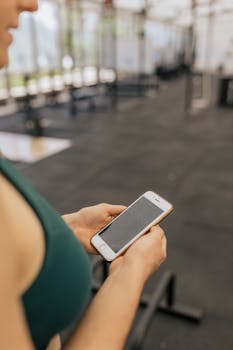
For many women over 40, weight loss becomes less about “eating less and moving more” and more about understanding what’s happening inside the body. Hormones shift. Stress tolerance changes. Sleep becomes lighter or more fragmented. And all of these invisible changes directly influence metabolism, hunger hormones, blood sugar stability, and long-term weight maintenance. Even for women using GLP-1 weight loss medications, these biological patterns still matter. Medication may lower appetite, but it can’t fully override poor sleep, chronic stress, or inconsistent recovery.
This is where the Oura Ring 4 offers something powerful: clarity. Instead of guessing why you’re tired, stuck, inflamed, or hitting a plateau, Oura tracks over 50 health metrics that help you understand your body in real time. And for women who want to lose weight after 40, or maintain what they’ve lost, insight is everything. Today, I’m breaking down why the Oura Ring 4 has become one of the smartest tools for women on a weight loss or GLP-1 journey, and how Ample Health & Wellness helps you put that data into action.
Disclosure: This post contains affiliate links. As an Amazon Associate, I earn from qualifying purchases. There is no additional cost to you, and I only share products I personally recommend or believe align with Ample Health & Wellness values.
The Hidden Barriers to Weight Loss After 40
When weight loss slows down or becomes inconsistent, most women assume it’s a willpower issue. In reality, biology is calling the shots. After age 40, sleep disturbances become more common due to hormone fluctuations, perimenopause, stress, and shifts in circadian rhythm. Poor sleep has been shown to reduce leptin (the hormone that tells you you’re full) and increase ghrelin (the hormone that tells you you’re hungry), making it harder to manage cravings even on medication (Zuraikat et al., 2022).
Stress becomes another major barrier, especially for women juggling work, caregiving, health concerns, and emotional load. Elevated cortisol over time affects fat storage, insulin sensitivity, and appetite regulation (Adam et al., 2019). Even with GLP-1 medication, cortisol can drive cravings, emotional eating, and fatigue-based skipping of healthy habits. These factors don’t go away just because appetite is suppressed, they simply become less noticeable. This is why wearable tracking has become essential. Not to obsess over numbers, but to illuminate the silent factors affecting your goals.
Why Data Tracking Helps Women Using or Transitioning Off GLP-1s
GLP-1 weight loss medications are powerful tools, but they do not replace foundational wellness habits. Your metabolism still responds to stress, your hormones still impact cravings, and your sleep still shapes your energy and hunger patterns. Many women tell me they feel “off,” more fatigued, or stuck while on medication, but they don’t know why. Tracking helps you see the connection between symptoms and patterns.
For example, Oura trends might reveal:
- decreased HRV on days you felt more cravings
- elevated resting heart rate after a stressful week
- lower readiness scores following poor sleep
- reduced deep sleep after late meals
- increased fatigue during the week before your cycle
These clues help you make strategic adjustments instead of emotional guesses. And for women transitioning off GLP-1s (whether by choice, insurance denial, or medication shortages) tracking becomes essential for preventing regain. The goal is to take control back from the medication, not fear what happens without it.
What Makes the Oura Ring 4 Different for Women Over 40
The Oura Ring 4 doesn’t just count steps. It evaluates:
- Sleep quality & sleep stages
- Heart rate variability (HRV)
- Resting heart rate
- Body temperature trends
- Stress and recovery patterns
- Activity and movement patterns
- Metabolic cues through readiness metrics
- Women’s health indicators, including cycle prediction
Smart Sensing technology adapts to your personal baseline, which means your insights become more accurate over time. Unlike wrist-worn watches, Oura delivers all this without screens, notifications, or distractions. Its 5–8 day battery life makes it easy for busy women to wear it 24/7. And yes, the new ceramic and titanium design is noticeably more comfortable.
Membership ($5.99/month after your first month free) unlocks full insights, guided sessions, science-backed trend interpretation, and personalized recommendations. Whether you’re on a wellness journey or in active weight loss mode, these metrics can help you stay ahead of plateaus instead of reacting after they happen.
How Women 40+ Can Use Oura Data to Transform Weight Loss Results
Here’s where this tool truly shines. Once you understand your data, you can tweak your habits to support your goals. For example:
- If your deep sleep is low: your hunger hormones may be dysregulated, making cravings more intense.
- If your HRV drops: your stress is climbing, and recovery may need priority.
- If your readiness score is low: your body may need rest instead of an intense workout.
- If your resting heart rate rises: inflammation or poor recovery may be impacting metabolism.
- If activity is low: micro-movements, NEAT, and walking can be increased intentionally.
Inside my FRESH Start Framework, these metrics tie in beautifully:
- 🍎Food Freedom & Foundations: sleep + hunger cues
- 🧠Rewire Mindset: stress influencing emotional eating
- 🎯Elevate Habits: data-driven habit change
- 🏘️Simplify Environment: optimizing bedtime routines
- 🧘🏾♀️Honor Whole Health: recovery, stress, daily movement
This is how weight loss after 40 becomes sustainable instead of overwhelming.
Can Your Coach See Your Oura Data? (Yes, and This Is a Game-Changer for Women Over 40)
One of the most common questions I get is whether a coach or clinic can actually view your Oura data. And the answer is yes — especially if you’re coaching with me at Ample Health & Wellness.
Oura syncs with:
- Apple Health (iPhone)
- Google Fit (Android)
And because Ample uses Practice Better, that information flows directly into your coaching dashboard. This means I can see your sleep patterns, HRV, resting heart rate, steps, readiness trends, and more. When we work together, I don’t have to guess. I can tell when:
- stress is creeping up
- recovery is low
- your sleep is affecting your cravings
- a plateau is forming
- you’re pushing too hard
Wearables give you the numbers. Coaching gives you the clarity.
Most women don’t need more data …they need support, interpretation, and personalized guidance. This integration helps prevent backslides, boosts consistency, and strengthens your confidence whether you’re on GLP-1 weight loss medication or navigating life after it.
A Balanced Note: Who May Not Need the Oura Ring
To maintain honesty and trust, here’s who may not need this tool:
- If you dislike wearing rings
- If you already have a smartwatch you love
- If you prefer not to have a monthly membership
But for women who want deeper insight into their metabolism, habits, and recovery—especially during hormonal transition or weight-loss medication use—the Oura Ring 4 is one of the most supportive tools available.
Final Ample Thoughts: Let Data Work With You, Not Against You
Weight loss after 40 is part science, part lifestyle, and part mindset. Tools like the Oura Ring give you the knowledge you need to make aligned decisions, reduce overwhelm, and stay ahead of your body’s shifts, especially when weight loss medication changes or slows.
If you want clarity, confidence, and a more personalized path to sustainable results, the Oura Ring 4 is a powerful partner on your journey.
And if you want help using your Oura data to support your weight loss goals, my coaching inside the FRESH Start Holistic Weight Loss Program can guide you step-by-step through interpreting your patterns, building habits, and preventing regain.
About the Author: Written by Dr. Kisha Pickford, DNP, a Nurse Practitioner and Certified Holistic Nutrition Weight Loss Coach at Ample Health & Wellness. She helps women 40+ achieve sustainable weight loss and whole-body wellness.
📚References
Adam, T. C., & Epel, E. S. (2019). Stress, eating and the reward system. Physiology & Behavior, 204, 15–21. https://doi.org/10.1016/j.physbeh.2019.01.011
Czeisler, C. A., & Méndez, G. (2020). Sleep and circadian rhythms in women. Sleep Medicine Clinics, 15(1), 1–17. https://doi.org/10.1016/j.jsmc.2019.10.002
Leproult, R., & Van Cauter, E. (2021). Impact of circadian misalignment on leptin and ghrelin in humans. Obesity Reviews, 22(S1), e13198. https://doi.org/10.1111/obr.13198
Melhorn, S. J., Richardson, S., & O’Connor, S. (2020). Sleep deprivation and metabolic dysregulation: Role of stress and inflammation. Current Opinion in Endocrine and Metabolic Research, 12, 127–135. https://doi.org/10.1016/j.coemr.2020.06.007
Zuraikat, F. M., Makarem, N., Redline, S., Aggarwal, B., & St-Onge, M.-P. (2022). Sleep regularity and cardiometabolic health: A review. Circulation, 146(9), 678–691. https://doi.org/10.1161/CIRCULATIONAHA.122.060284