 Skip to content
Contact Us: (901) 675-6125


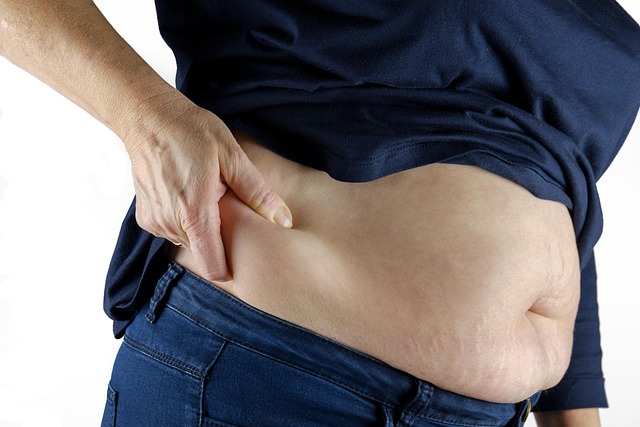
For many women over 40, belly fat becomes one of the most frustrating and emotionally charged body changes. You may notice that weight settles around the midsection even when your eating habits haven’t changed, or that belly fat seems resistant no matter how “clean” you eat or how much cardio you do. This experience is incredibly common, and it’s not a reflection of willpower or discipline.
What Conditions Contribute Most to Belly Fat
Abdominal fat changes after 40 are driven largely by hormonal shifts, stress physiology, and metabolic adaptation. As estrogen levels fluctuate during perimenopause and decline during menopause, fat distribution changes. The body becomes more likely to store fat centrally, particularly visceral fat (the deeper fat surrounding internal organs). Visceral fat is metabolically active and closely linked to insulin resistance, inflammation, and cardiovascular risk.
Stress plays a major role in stubborn belly fat through cortisol. Chronic stress (whether from work, caregiving, lack of sleep, or long-term dieting) keeps cortisol elevated. High cortisol signals the body to store energy, particularly in the abdominal area. This survival response made sense historically, but in modern life it often works against weight-loss efforts.
Another contributor is loss of muscle mass. After 40, muscle declines naturally unless intentionally maintained. Muscle tissue helps regulate blood sugar and metabolic rate. When muscle mass decreases, the body becomes less efficient at using glucose, increasing insulin levels and encouraging fat storage—especially in the abdomen.
Dieting history also matters. Years of calorie restriction, skipping meals, or extreme plans can slow metabolic rate and increase stress hormones. Many women trying to “burn belly fat” are actually under-fueling, which further signals the body to conserve energy and store fat.
How to Get Rid of Stubborn Belly Fat
One of the most common misconceptions is that belly fat can be spot reduced. No exercise or food can target fat loss in one specific area. However, lifestyle strategies can reduce overall fat while improving how the body stores and releases energy — leading to visible changes in the midsection over time.
Strength training is one of the most effective tools for reducing abdominal fat after 40. Building and preserving muscle improves insulin sensitivity and resting metabolic rate. Even two to three sessions per week can significantly impact body composition. This doesn’t require heavy lifting or long workouts—consistency matters more than intensity.
Walking and low-impact movement also play an important role. Daily movement helps regulate blood sugar, reduce stress hormones, and improve fat metabolism without placing additional stress on the body. Many women see better results when they reduce excessive cardio and focus on sustainable activity.
Nutrition should focus on blood sugar stability, not restriction. Adequate protein supports muscle and satiety. Fiber-rich foods help regulate glucose and insulin levels. Extremely low-carbohydrate or very low-calorie diets may worsen cortisol response and stall progress, especially in hormonally sensitive women.
Sleep and stress management are often the missing pieces. Poor sleep increases hunger hormones and reduces insulin sensitivity the following day. Chronic sleep deprivation is strongly associated with increased abdominal fat. Supporting sleep hygiene and nervous system regulation can have a measurable impact on belly fat over time.
Micronutrient status also matters. Deficiencies in magnesium, vitamin D, or iron may worsen fatigue, stress tolerance, and metabolic efficiency. While supplements are not a cure, addressing deficiencies can support overall metabolic health when used appropriately.
A Quick Note If You Take GLP-1 Medications…
For women using GLP-1 medications, belly fat may decrease more slowly than expected if muscle mass, protein intake, or stress are not adequately addressed. Weight loss medications support appetite regulation, but they do not override physiology. Sustainable fat loss still depends on nourishment, movement, and recovery.
A Final Ample Thought
The most important takeaway is this: stubborn belly fat after 40 is not a personal failure. It is a physiological response to hormonal change, stress, and metabolic adaptation. Progress happens when strategies work with the body rather than against it.
At Ample Health & Wellness, we focus on realistic, evidence-informed approaches that support long-term health and not quick fixes. Reducing belly fat after 40 is possible, but it requires patience, strategy, and compassion for your changing body.

About the Author: Dr. Kisha Pickford, DNP, is a board-certified nurse practitioner and holistic nutrition weight loss coach at Ample Health & Wellness. She helps women over 40 achieve sustainable weight loss and whole-body wellness through holistic, evidence-based coaching.