Contact Us: (901) 675-6125



Have you ever started a food journal with the best intentions, only to abandon it a few days later? You write down breakfast, remember lunch, forget the handful of crackers you grabbed while cooking dinner, and by the end of the day, you’re thinking… Who has time to track all of this? Ladies, I understand.
Food tracking can be a helpful weight loss tool, but it can also feel like another job. And for women over 40 who are already juggling responsibilities, menopause related changes, stress, and everything else life throws our way, complicated routines aren’t always sustainable. Now, artificial intelligence is entering the nutrition world, promising to make food tracking easier.
But can an AI food tracker actually help women over 40 lose weight? And more importantly, can it help us build healthier habits without becoming obsessed with every calorie? Let’s talk about it.
Affiliate Disclosure: This article contains affiliate links. Ample Health & Wellness may earn a commission if you purchase through these links, at no additional cost to you. Products are discussed for educational purposes, and affiliate relationships do not determine our health recommendations.
Why Food Awareness Matters After 40

One of the most valuable lessons in sustainable weight loss is understanding what we’re actually eating. Not what we think we’re eating. Not what we intended to eat. But what consistently ends up on our plates.
Research has shown that dietary self-monitoring can support weight loss and weight maintenance efforts. A systematic review from the U.S. Department of Agriculture concluded that food intake self-monitoring improves weight related outcomes for adults seeking weight loss or maintenance. But that doesn’t mean everyone must count calories forever.
For some women, tracking helps identify patterns such as skipped meals, low protein intake, frequent snacking, or eating differently on weekends. For others, detailed calorie tracking creates unnecessary stress. The goal is awareness, not perfection.
Why Weight Loss Can Feel Different After 40
As we move through perimenopause and menopause, several factors may influence body composition and weight management. These include changes in estrogen, age-related muscle loss, sleep disturbances, stress, and shifts in daily activity.
Muscle deserves particular attention because maintaining it supports strength, physical function, and metabolic health. That’s why I encourage women to think beyond simply eating fewer calories. We also need to consider protein, fiber, meal quality, physical activity, and habits we can maintain. An app may help us observe some of these patterns, but it cannot replace the bigger picture of whole-body wellness.
What Is an AI Food Tracker?
Traditional food-tracking apps often require users to search databases, select foods, estimate portions, and enter each meal manually. AI-powered trackers attempt to simplify that process.
Depending on the app, you may be able to describe a meal, photograph your plate, scan a food label, or ask questions about your daily nutrition. The software then estimates calories and nutrients using the information provided. That convenience may make tracking more approachable. But here’s an important reminder: AI estimates are still estimates.
A photograph doesn’t always reveal how much oil was used, what’s inside a casserole, or the exact portion size. Technology can assist with tracking, but it doesn’t eliminate the need for judgment.
Meet Welling AI Health & Diet Coach
One option I recently explored is Welling AI Health & Diet Coach, a mobile app designed to simplify food tracking and provide AI-assisted nutrition guidance. According to Welling’s published information, its features include:
- Logging meals through written descriptions, photographs, and voice-to-text.
- Estimating calories and macronutrients, including protein, carbohydrates, and fat.
- Tracking dietary fiber and reviewing nutrition patterns.
- Setting goals related to weight loss, maintenance, or muscle building.
- Providing meal suggestions based on stated preferences and goals.
- Reviewing daily and weekly progress.
One feature that caught my attention is the conversational interface. Instead of searching for every food individually, users can describe what they’ve eaten, and the app attempts to create the entry. That could be appealing to women who want more food awareness without spending excessive time recording meals.
I haven’t personally tested Welling, so I’m not presenting this as a hands-on review or claiming that its estimates are more accurate than those of competing apps. However, its features make it an option worth exploring.
Three Ways AI Food Tracking May Be Helpful
1. Identifying Protein and Fiber Patterns
Sometimes we focus so heavily on calories that we overlook nutritional quality. Protein contributes to muscle maintenance, while fiber supports digestive health and can help make meals more satisfying. Tracking may reveal whether your usual eating patterns include enough protein rich foods and fiber containing choices. But remember that an app’s nutrient estimates may need correction, especially for homemade meals.
2. Making Food Journaling More Convenient
Consistency is often easier when a task takes less effort. If describing a meal or taking a photograph makes food logging less tedious, some women may be more willing to use the information. The real value isn’t simply collecting numbers. It’s noticing patterns and deciding what changes would be useful.
3. Supporting Reflection Instead of Guesswork
Maybe you discover that you frequently skip lunch and feel ravenous by dinner. Or perhaps your meals are reasonably balanced during the week, but your weekend schedule changes everything. Those insights can help you adjust your routine. And sometimes the solution isn’t another diet. It may be preparing lunch ahead of time, adding protein to breakfast, or keeping convenient, nourishing foods available.
Where AI Nutrition Apps Fall Short
As a nurse practitioner and weight-loss strategist, I believe it’s important to understand the limitations of these tools.
- Calorie estimates may be inaccurate. Restaurant meals, sauces, cooking oils, mixed dishes, and portion sizes can be difficult to estimate from a picture or description.
- Personalized doesn’t always mean clinically appropriate. AI-generated calorie targets or meal plans may not account adequately for medical conditions, medications, pregnancy, or individual nutritional needs.
- Tracking isn’t appropriate for everyone. Women with a history of disordered eating, or anyone who finds calorie tracking emotionally distressing, may benefit from a different approach.
- Privacy matters. Before using any nutrition app, review how it handles information about your food intake, weight, health goals, and other personal details.
And finally, an AI nutrition assistant is not a replacement for a registered dietitian or qualified healthcare professional.
What About Women Taking GLP-1 Medications?
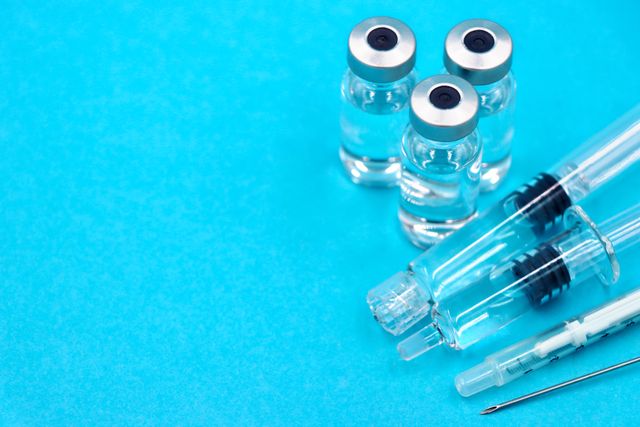
This is another area where food awareness can be useful. Women using GLP-1 medications may experience reduced appetite and changes in meal size. That makes nutritional quality especially important. An app might help someone notice that she’s eating very little protein or frequently missing meals. However, it shouldn’t be relied upon to determine whether a medication-related nutrition plan is medically appropriate.
Women experiencing persistent nausea, vomiting, dehydration, or difficulty meeting nutritional needs should discuss those concerns with their healthcare team. The goal isn’t simply to eat less. It’s to nourish the body while pursuing sustainable weight management.
How to Use Food Tracking Without Becoming Obsessed
If you decide to try an AI food tracker, I recommend approaching it as an experiment rather than a lifelong assignment. Start by observing your typical eating habits. Notice your meal timing, protein sources, fruits, vegetables, fiber, and situations when eating feels less intentional. Use the information to make one or two realistic adjustments.
And if you miss a day? You don’t need to start over on Monday. You simply continue. That is one of the central messages of my FRESH Framework at Ample Health & Wellness.
F — Food, Freedom & Foundations reminds us that sustainable nutrition isn’t about punishment or rigid rules. It’s about building a healthier relationship with food while developing habits that support our lives.
Is Welling Worth Exploring?
Welling may appeal to women who enjoy using technology, want a more conversational food journal, or prefer logging meals without repeatedly searching a traditional food database. Its calorie, protein, fiber, and progress-tracking features could be useful for building awareness. But whether it’s worthwhile depends on your needs, budget, preferences, and how you respond to tracking.
Welling offers subscription-based features, so review the current pricing, renewal terms, and cancellation policy before subscribing. And remember…. there is no evidence presented here that Welling itself produces better weight-loss outcomes than other tracking methods.
Final Ample Thoughts
Can an AI food tracker help women over 40 lose weight? Potentially, yes but not because artificial intelligence has discovered a magical weight-loss shortcut. The possible benefit comes from making food awareness, reflection, and consistency easier. Whether you use an app, a notebook, or a simple meal planning routine, the most useful approach is one that supports your health without taking over your life.
You don’t have to track every bite forever. You don’t have to eat perfectly. And you certainly don’t need another tool making you feel guilty about food.
Sometimes the most powerful change is simply understanding your habits well enough to make a better choice tomorrow. That’s how we move from constantly starting over to building a lifestyle that lasts.
📚References
Krukowski, R. A., et al. (2024). Impact of feedback generation and presentation on self-monitoring behaviors, dietary intake, physical activity, and weight: A systematic review and meta-analysis. International Journal of Behavioral Nutrition and Physical Activity. https://pubmed.ncbi.nlm.nih.gov/38178230/
U.S. Department of Agriculture, Nutrition Evidence Systematic Review. (n.d.). What is the relationship between diet self-monitoring and body weight in adults? https://nesr.usda.gov/what-relationship-between-self-diet-monitoring-and-body-weight-adults
Welling. (n.d.). Welling food tracker and AI calorie counter app: Frequently asked questions. https://www.welling.ai/faq
👩🏾⚕️About the Author
Dr. Kisha Pickford, DNP, ACNP-BC, is a board-certified nurse practitioner, holistic nutrition weight-loss coach, GLP-1 lifestyle integration coach, and founder of Ample Health & Wellness. She helps women over 40 navigate weight management and midlife wellness through evidence-informed education, sustainable habits, and whole-health strategies.