Contact Us: (901) 675-6125


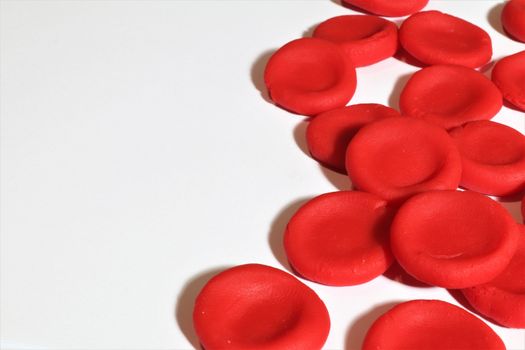
Have you ever noticed that your feet seem colder than they used to? Maybe your rings fit tighter by the end of the day. Perhaps your legs feel heavy after sitting for long periods, or you’ve wondered why a small scrape seems to take longer to heal than it once did. While these symptoms don’t automatically mean you have poor circulation, they remind us of something we often take for granted — our circulatory system works every second of every day to keep us alive.
Most women don’t think about blood flow until there’s a problem. But healthy circulation affects much more than your heart. It influences your energy, brain function, muscles, skin, kidneys, wound healing, and even your ability to stay active and independent as you age. As women move through their 40s, 50s, and beyond, understanding how to support healthy circulation becomes an important part of protecting long-term wellness.
What Does Healthy Circulation Actually Mean?
Your circulatory system is your body’s transportation network. Your heart pumps oxygen-rich blood through arteries to every organ and tissue. Tiny blood vessels called capillaries deliver oxygen and nutrients to cells while carrying away carbon dioxide and waste products. Veins then return blood back to the heart so the cycle can begin again.
Every heartbeat supplies your body with what it needs to function. Without healthy circulation, your muscles tire more easily, wounds may heal more slowly, organs receive less oxygen, and your overall health can gradually suffer. Healthy blood flow supports nearly every system in your body even if you never think about it.
Why Blood Flow Matters More After 40
As women age, several factors naturally begin influencing cardiovascular health. Hormonal changes during perimenopause and menopause may affect blood vessel function and cholesterol levels. Muscle mass gradually declines if we are not intentionally active. Blood pressure may begin to rise, and conditions such as prediabetes, diabetes, or elevated cholesterol become more common.
Lifestyle also plays an important role. Long hours sitting at work, chronic stress, poor sleep, smoking, excess body weight, and diets high in ultra-processed foods can all contribute to cardiovascular risk over time. These changes do not guarantee poor circulation. They simply remind us that supporting heart and vascular health becomes increasingly important as we get older.
Common Signs That Deserve Attention
Many symptoms can have several different causes, so it is important not to diagnose yourself based on internet articles alone. However, healthy circulation is worth discussing with your healthcare provider if you notice symptoms such as:
- Frequently cold hands or feet
- Swelling in the ankles or lower legs
- Leg pain or cramping while walking
- Numbness or tingling
- Slow-healing wounds
- Skin discoloration
- Varicose veins
- Fatigue with activity
Some of these symptoms may be related to circulation, while others may have neurological, hormonal, musculoskeletal, or metabolic causes. The key is to pay attention to persistent changes rather than simply assuming they are a normal part of aging.

Six Lifestyle Habits That Support Healthy Circulation
Fortunately, many of the same habits that support weight management also support healthy blood flow.
1. Move Your Body Every Day
Movement encourages circulation. Walking, strength training, cycling, swimming, stretching, and even standing up regularly throughout the day help improve blood flow. You don’t have to become a marathon runner. Consistency matters more than intensity.
2. Eat Foods That Support Your Blood Vessels
A heart-friendly eating pattern includes plenty of:
- Leafy green vegetables
- Berries
- Citrus fruits
- Tomatoes
- Beans
- Lentils
- Whole grains
- Fatty fish
- Walnuts
- Olive oil
- Beets
These foods provide fiber, antioxidants, healthy fats, potassium, nitrates, and other nutrients that support cardiovascular health.
3. Stay Hydrated
Blood is largely composed of water. When you’re dehydrated, your body has to work harder to maintain normal circulation. While individual fluid needs vary, making hydration a daily habit is a simple way to support overall health.
4. Prioritize Quality Sleep
Sleep is when much of the body’s repair and recovery takes place. Poor sleep has been associated with high blood pressure, inflammation, insulin resistance, and increased cardiovascular risk. Aim for consistent, restorative sleep whenever possible.
5. Manage Stress
Chronic stress affects more than your mood. Long-term elevations in stress hormones such as cortisol may contribute to higher blood pressure, inflammation, and unhealthy lifestyle habits that indirectly affect circulation. Prayer, mindfulness, deep breathing, time outdoors, regular physical activity, and meaningful social connections can all be valuable tools for managing stress.
6. Know Your Numbers
Healthy circulation begins with knowing your health status. Regular checkups allow you to monitor:
- Blood pressure
- Cholesterol
- Blood sugar
- Weight
- Waist circumference
Early awareness often creates opportunities for prevention before more serious problems develop.
Foods That Naturally Support Healthy Blood Flow
No single food can “clean out” your arteries or magically improve circulation overnight. However, a consistent eating pattern rich in nutrient-dense foods can help support vascular health over time. Some of my favorite circulation-supporting foods include:
- Beets for their naturally occurring nitrates
- Leafy greens such as spinach and arugula
- Berries rich in antioxidants
- Fatty fish like salmon for omega-3 fats
- Walnuts and flaxseed
- Citrus fruits rich in vitamin C
- Beans and lentils for fiber
- Extra-virgin olive oil
- Green tea
- Small amounts of dark chocolate (70% cocoa or higher)
These foods work best as part of an overall healthy eating pattern rather than as isolated “superfoods.”
When Should You Seek Medical Care?
While lifestyle plays a major role in cardiovascular health, certain symptoms require prompt medical evaluation. Seek immediate medical attention if you experience:

- Chest pain or pressure
- Sudden shortness of breath
- One-sided weakness or numbness
- Difficulty speaking
- Severe leg pain with swelling
- A cold, pale, or blue limb
- A wound that becomes infected or does not heal
Early evaluation can make a significant difference in outcomes.
Looking Beyond Symptoms
Many women know they want to improve their health but aren’t sure where to begin. The challenge isn’t always motivation. Sometimes it’s identifying the real barriers.
- Are you eating enough protein?
- Sleeping well?
- Managing stress?
- Moving consistently?
- Supporting your heart with nutrient-rich foods?
These are the kinds of questions that matter when creating a sustainable wellness plan.
Discover Your Root Causes
If you’re feeling stuck, the Root Cause Weight Loss & Wellness Audit is designed to help uncover what’s really influencing your health.
Together, we’ll evaluate your nutrition, movement, sleep, stress, lifestyle habits, health history, and wellness goals to identify opportunities for meaningful improvement. Rather than guessing which program or strategy is right for you, we’ll develop a personalized roadmap based on your unique needs. Because lasting wellness begins with understanding the root causes—not just treating the symptoms.
Final Ample Thoughts
Healthy circulation isn’t built by one superfood, one supplement, or one workout. It’s built by the choices we make repeatedly over time.
Every walk. Every balanced meal. Every good night’s sleep. Every decision to care for your body is an investment in your future. Your heart works for you every second of every day. The question is…
How will you care for it today?

About the Author: Dr. Kisha Pickford, DNP, ACNP-BC, is a board-certified nurse practitioner, holistic nutrition weight loss coach, and founder of Ample Health & Wellness. She specializes in helping women over 40 uncover the root causes of weight and wellness challenges through evidence-based, personalized strategies that support sustainable health, healthy aging, and whole-body wellness.
📚References
- American Heart Association. Life’s Essential 8: Your Checklist for Lifelong Good Health.
- Centers for Disease Control and Prevention. Heart Disease Facts.
- Whelton PK, et al. 2017 ACC/AHA Guideline for the Prevention, Detection, Evaluation, and Management of High Blood Pressure in Adults.
- Estruch R, et al. Primary Prevention of Cardiovascular Disease with a Mediterranean Diet. New England Journal of Medicine.
- U.S. Dietary Guidelines for Americans 2020–2025.
Medical Disclaimer: This article is for educational purposes only and is not intended to replace medical advice, diagnosis, or treatment. Always consult your healthcare provider before making changes to your diet, exercise routine, medications, or treatment plan.