Contact Us: (901) 675-6125


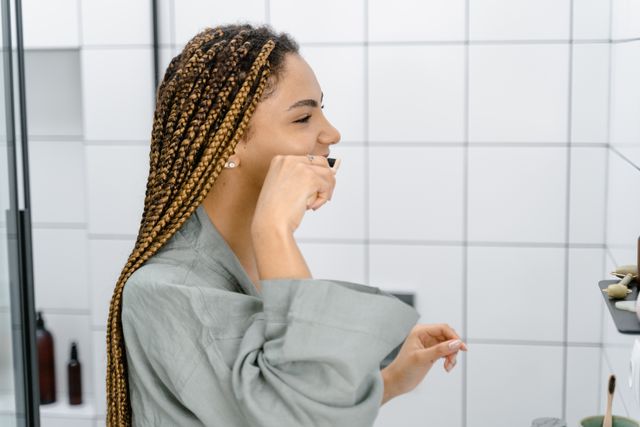
When we talk about living healthier, especially after 40, we usually discuss nutrition, physical activity, hormones, sleep, and managing stress. But there’s another important part of wellness that we sometimes overlook: our oral health. Think about it. We brush our teeth every day, sometimes without giving much thought to whether we’re brushing correctly, reaching every surface, or spending enough time doing it.
As a nurse practitioner and holistic wellness coach, I believe taking care of our health means looking at the whole person. That includes our teeth, gums, and everyday oral-care habits. And with so many electric toothbrushes, water flossers, and other oral-care products available today, it’s worth asking: Are we using these tools effectively?
Affiliate Disclosure: This article contains affiliate links. If you purchase through these links, Ample Health & Wellness may earn a commission at no additional cost to you. Products are discussed for educational purposes, and I clearly distinguish products I’ve used from those I haven’t personally tested.
Why Oral Health Is Part of Whole-Person Wellness
Your mouth is more than the place where you chew food and show off your smile. Healthy teeth and gums support comfortable eating, speaking, and daily quality of life. Poor oral hygiene can contribute to cavities, gum inflammation, and periodontal disease. Researchers have also identified associations between periodontal disease and certain chronic health conditions, including diabetes and cardiovascular disease. However, an association doesn’t necessarily mean one condition directly causes the other.
For people living with diabetes, gum health deserves particular attention because diabetes and periodontal disease can affect one another. This is why I encourage people to think beyond simply having white teeth or fresh breath. Oral health is preventive health. And prevention is something we can work on every day.
Are You Actually Brushing Your Teeth Correctly?
Most of us learned to brush our teeth as children. But how many of us have revisited our technique as adults? According to the American Dental Association (ADA), adults should generally:
- Brush twice daily for two minutes each time.
- Use fluoride toothpaste.
- Choose a toothbrush with soft bristles.
- Gently clean the outer, inner, and chewing surfaces of the teeth.
- Clean between the teeth once daily.
- Replace toothbrushes or brush heads approximately every three to four months, or sooner if the bristles become worn.
One common mistake is brushing too aggressively. Scrubbing harder doesn’t necessarily mean cleaning better. Excessive pressure can irritate gum tissue and contribute to tooth wear. Another mistake is rushing through brushing, especially when we’re tired or trying to get out the door. A consistent, gentle technique matters more than simply owning the newest toothbrush.
What’s in Our Bathroom? My Family’s Oral-Care Tools
Let me share a little about what we use in my household…..
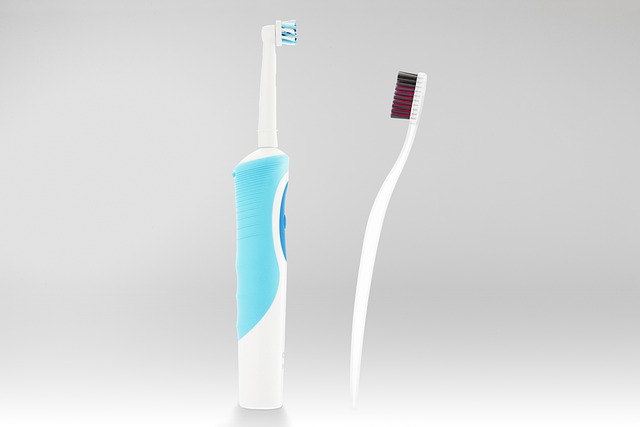
I personally use an Oral-B Braun electric toothbrush. I like incorporating an electric toothbrush into my daily routine, and it’s the type of toothbrush I’ve chosen for myself. My child uses a MySmile oral irrigator, also called a water flosser. This device uses a stream of water to help clean between teeth and around the gumline. These are different tools with different purposes.
An electric toothbrush is designed to clean the surfaces of your teeth, while a water flosser helps clean areas between teeth that toothbrush bristles may not reach effectively. Water flossers can be useful for some people, including those who find traditional flossing challenging. However, the best interdental cleaning method depends on individual needs, and your dentist can help determine which approach is appropriate.
The point isn’t that everyone needs expensive equipment. It’s that we have options to make daily oral care more manageable. And sometimes finding the right tool helps us stay consistent.
Electric Toothbrushes: Are They Worth Considering?
Electric toothbrushes have become increasingly popular, and there are several designs available. Some use rotating or oscillating brush heads. Others use sonic vibrations. Many models include features such as timers, pressure sensors, or different brushing modes.
For someone who tends to rush through brushing, a built-in timer may be particularly helpful. For someone who has difficulty using a manual toothbrush, a powered toothbrush may make the routine easier. But here’s something important: Both manual and powered toothbrushes can clean teeth effectively when used properly.
An electric toothbrush doesn’t automatically make up for poor brushing habits. The best toothbrush is one that fits your mouth, meets your needs, and helps you brush thoroughly and consistently.
A Different Design: The Triple Bristle Three-Sided Sonic Toothbrush
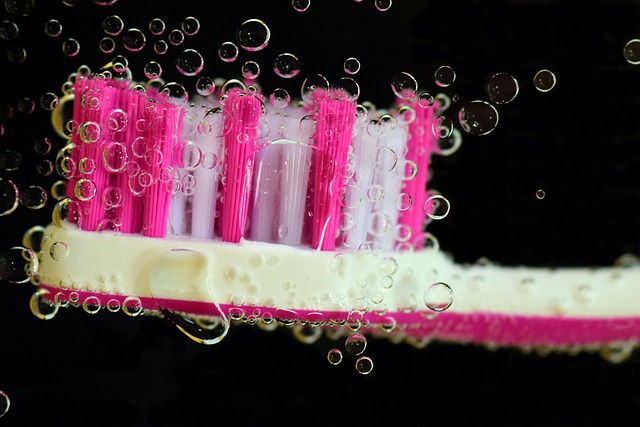
While exploring oral care products, I came across Triple Bristle, a company offering a different approach to electric brushing. Unlike a traditional single-sided brush head, Triple Bristle uses a three-sided design intended to contact the front, back, and chewing surfaces of teeth during brushing. The company says its toothbrushes were developed by dental professionals and designed to help users reach multiple tooth surfaces more conveniently. One of its products, the Triple Bristle Original, includes features such as:
- A three-sided sonic brush head.
- Angled bristles designed to reach along the gumline.
- A two-minute brushing timer with 30-second reminders.
- Multiple brushing modes.
- Replaceable brush heads.
The design is interesting because many people struggle with reaching the back surfaces of their teeth or brushing consistently.
My perspective: I haven’t personally used Triple Bristle, so I can’t speak to how it feels or performs compared with my Oral-B toothbrush. However, its three-sided design makes it an option worth exploring for people interested in a different brushing experience.
The company markets its design as a faster way to brush, but I would not assume that shorter brushing time provides equivalent results for everyone. The ADA’s general recommendation remains two minutes of brushing twice daily unless your dental professional advises otherwise.
Interested in exploring the design? You can review the different models, replacement brush heads, and product specifications before deciding whether one fits your needs.
What About Water Flossers?
Since my son uses a MySmile water flosser, I also want to mention the importance of cleaning between your teeth. Even a well-designed toothbrush cannot reliably clean every space between neighboring teeth. That’s why the ADA recommends daily interdental cleaning. Depending on your oral health needs, options may include traditional dental floss, interdental brushes, or a water flosser.
A water flosser can be especially appealing for people who have difficulty maneuvering regular floss or who have certain dental appliances. But don’t assume every device works equally well for every situation. If you have braces, implants, gum disease, or other dental concerns, ask your dental professional which tools and techniques are best for you.
Five Simple Habits for Better Oral Health After 40
You don’t need an elaborate routine to start improving your oral-care habits.
ACTIVITY | RATIONALE |
|---|---|
| 1. Stop rushing your brushing | Give your teeth the attention they deserve. Use a timer if necessary and focus on reaching all surfaces. |
| 2. Clean between your teeth daily | Whether you use floss, interdental brushes, or an appropriate water flosser, make this part of your routine. |
| 3. Pay attention to dry mouth | Dry mouth can become more common with age, certain medications, and some health conditions. Saliva helps protect the teeth and oral tissues. Persistent dry mouth can increase the risk of dental problems, so discuss it with your dentist or healthcare professional. |
4. Be mindful of frequent sugary drinks and snacks | Repeated exposure to sugar can increase the risk of tooth decay. Choosing water more often and limiting frequent sugary snacks supports both oral and overall wellness. |
| 5. Don’t skip preventive dental visits | Home care matters, but it doesn’t replace professional dental examinations and cleanings. Your dentist can identify problems that may not be obvious to you and recommend a visit schedule based on your individual risk. |
Coach Kisha’s Corner: Small Habits Are Still Health Habits
One thing I’ve learned through my own wellness journey is that taking care of yourself isn’t about doing everything perfectly. It’s about building habits that support your health over time. We sometimes focus so much on major lifestyle changes that we overlook the small things we do every morning and evening.
Brushing your teeth may seem ordinary, but it’s an opportunity to practice consistency. And that same mindset applies to drinking enough water, getting adequate sleep, moving your body, and making nourishing food choices. You don’t have to change everything overnight. Start with what you can do today.
The Ample Bottom Line
Oral health deserves a place in our conversations about whole-person wellness. Whether you’re using a manual toothbrush, a traditional electric toothbrush like I do, or exploring a three-sided design such as Triple Bristle, remember that good technique and consistency come first. Choose products that meet your needs, follow evidence-based oral-care recommendations, and keep up with professional dental care. Because wellness isn’t only about the number on the scale.
It’s about caring for the whole person… one healthy habit at a time.
Explore Your Oral Care Options
Curious about the Triple Bristle three-sided sonic toothbrush?
Note: I haven’t personally tested Triple Bristle. This product mention is informational and not a clinical endorsement.
📚 References
- American Dental Association. Toothbrushes.
- American Dental Association. Home Oral Care.
- American Dental Association. Dental Floss and Interdental Cleaners.
- Triple Bristle. Three-Sided Sonic Toothbrushes. Manufacturer information; not independent clinical evidence.
Educational Disclaimer: This article is intended for general wellness education and does not replace individualized dental or medical advice.
About the Author: Dr. Kisha Pickford, DNP, ACNP-BC, is a board-certified nurse practitioner, holistic nutrition weight loss coach, and founder of Ample Health & Wellness. She specializes in helping women over 40 uncover the root causes of weight and wellness challenges through evidence-based, personalized strategies that support sustainable health, healthy aging, and whole-body wellness.