Contact Us: (901) 675-6125


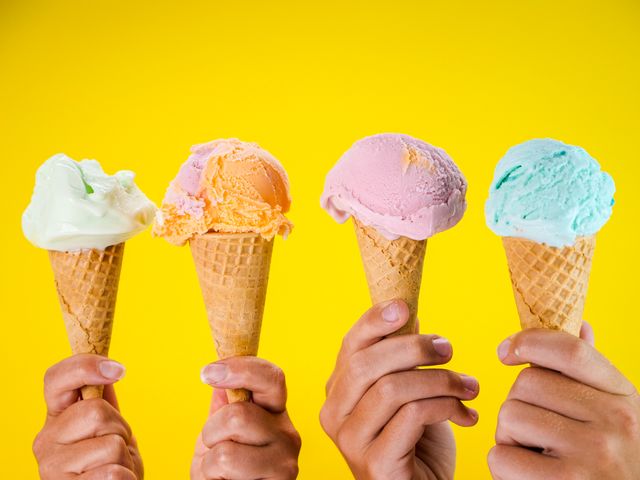
Ice cream and weight loss don’t exactly sound like they belong in the same sentence. For years, we’ve been taught that losing weight means giving up the foods we enjoy; or finding a sad little “diet” version and pretending it’s just as satisfying. But after losing weight myself and spending years helping women think differently about food, I don’t believe sustainable weight management has to work that way.
Food freedom isn’t about never eating ice cream. It’s about learning how foods you enjoy can fit into an eating pattern that supports your goals. And with the popularity of homemade frozen yogurt, fruit-based sorbets and higher-protein ice cream recipes, making frozen treats at home gives us some interesting options.
Affiliate Disclosure: This article contains affiliate links. If you make a purchase through one of these links, Ample Health & Wellness may earn a commission at no additional cost to you. I only share products and resources that I believe may be useful to my community.
Homemade Doesn’t Automatically Mean Healthy
Let’s get this out of the way first. Buying an ice cream maker does not magically turn dessert into a health food. 😂 A homemade frozen treat can contain just as much sugar, saturated fat and calories as something you buy at the grocery store depending on what you put into it. The advantage is control.
When you prepare food at home, you decide what goes into it. That can make it easier to adjust added sugars, choose ingredients that provide protein or fruit, accommodate dietary preferences and make portions that work for you. The American Heart Association similarly notes that home cooking gives people greater control over what goes into their food and recommends limiting added sugars as part of a healthful eating pattern. That’s very different from saying every homemade dessert is “healthy.”
What About High-Protein Ice Cream?
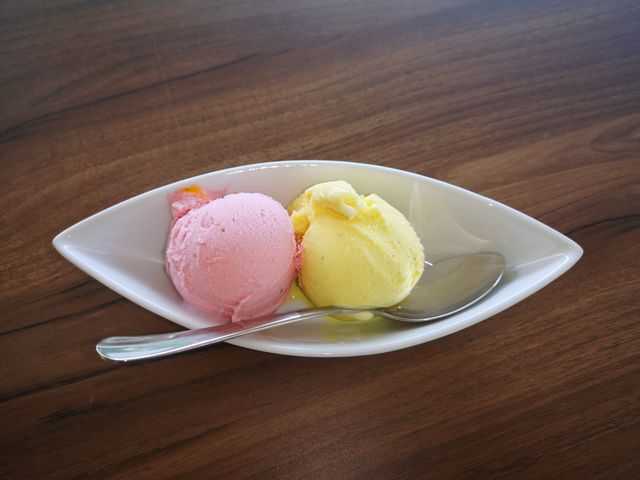
This is where things get especially interesting for women in midlife. Protein is important for maintaining muscle, and preserving lean mass becomes increasingly important as we age. Research also suggests that during weight loss in adults with overweight or obesity, higher protein intake can help support preservation of muscle mass.
That doesn’t mean we need to turn every dessert into a protein supplement. But ingredients such as Greek yogurt or other protein containing foods can create frozen treats that contribute more nutritionally than a traditional dessert made primarily from cream and sugar. There are plenty of ways to experiment:
- Greek yogurt with berries
- Fruit-based sorbet
- Frozen yogurt with peaches or mango
- Chocolate-peanut-butter combinations with an appropriate protein source
- Lower-added-sugar recipes
- Dairy-free recipes for people who prefer them
The American Heart Association even publishes frozen yogurt recipes using Greek yogurt and fruit, demonstrating that a frozen dessert can be built around different ingredients without pretending dessert has suddenly become medicine.
A New Kitchen Gadget Caught My Attention
That brings me to something new I came across through Magnifique, a kitchen brand I’ve previously featured on Ample. The company recently launched its Handheld Ice Cream Maker, a compact appliance designed to make several types of frozen treats at home. Now, I have not personally tested this product, so this isn’t a product review. It’s a new product that caught my attention because of the possibilities it gives people who want more control over what goes into their frozen treats.
According to Magnifique, the machine has five frozen-treat programs:
Ice Cream • Sorbet • Frozen Yogurt • Smoothie • Mix
It also comes with three ¾-pint cups, so different mixtures can be prepared and kept ready in the freezer. Its food contact components are removable and washable, and the handheld design takes up considerably less space than many traditional countertop ice cream machines.
Interested in making your own frozen treats?
Three Things I’d Keep in Mind
If I were using something like this as part of a weight management lifestyle, I wouldn’t focus on creating the lowest calorie ice cream imaginable. I’d focus on three Ps: protein, plants and portions.
- Protein: Could Greek yogurt, milk, cottage cheese or another appropriate ingredient increase the protein content?
- Plants: Could berries, peaches, mango, banana or another fruit bring flavor, fiber and nutrients?
- Portions: Just because we made it ourselves doesn’t mean the serving bowl needs to resemble a small swimming pool. 😂
That last one matters. The goal isn’t to create rules around dessert. It’s to enjoy it intentionally.
This Is Where Food Freedom Comes In
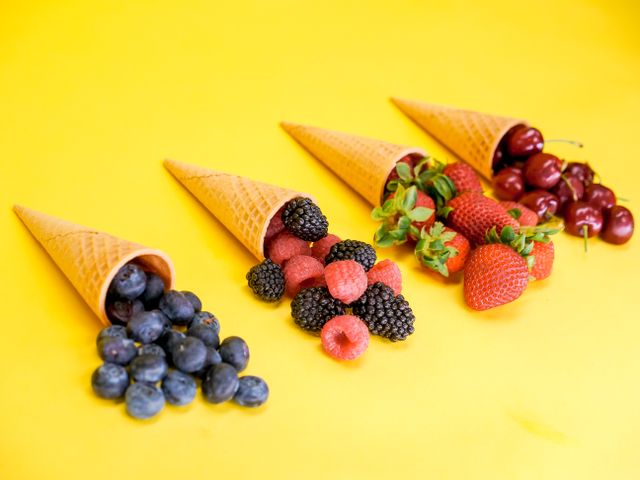
The F in my FRESH Framework stands for Food Freedom & Foundations. I don’t want women spending the rest of their lives believing certain foods are “good” and others make them “bad.” One dessert doesn’t determine your health. Your overall pattern matters far more.
Sometimes food freedom means enjoying traditional ice cream because that’s what you want. Other times, it might mean experimenting with Greek yogurt, fruit and ingredients that better support your nutritional goals. Both can exist in a sustainable lifestyle.
What I especially like about making treats at home is the opportunity to ask: What would make this satisfying AND supportive of what I’m trying to accomplish? That’s a much healthier conversation than, “Am I allowed to eat this?”
Is a Handheld Ice Cream Maker Worth It?
That’s ultimately a lifestyle question. At its current listed price of $129.99, this isn’t something I’d call a kitchen necessity. You certainly don’t need an ice cream maker to lose weight or eat well. But it may appeal to someone who regularly buys specialty frozen desserts, enjoys experimenting in the kitchen, wants greater ingredient flexibility, or likes the convenience of preparing several small batches ahead of time.
And because this is a newly launched Magnifique product, there isn’t yet the kind of long-term independent customer feedback I’d want before calling it a proven favorite. So, I’m putting it in the category of interesting new kitchen tool worth exploring, rather than something I’m declaring a must-buy.
Final Ample Thoughts
Can homemade ice cream fit into a weight-loss plan after 40? Absolutely, but not because homemade ice cream has some special weight-loss power. It can fit because sustainable weight management leaves room for enjoyable food.
Making frozen treats yourself simply gives you another option. You can experiment with ingredients, adjust sweetness, incorporate protein or fruit, and choose portions that work for you. And sometimes you can make regular old ice cream because you want regular old ice cream. That’s food freedom, too.
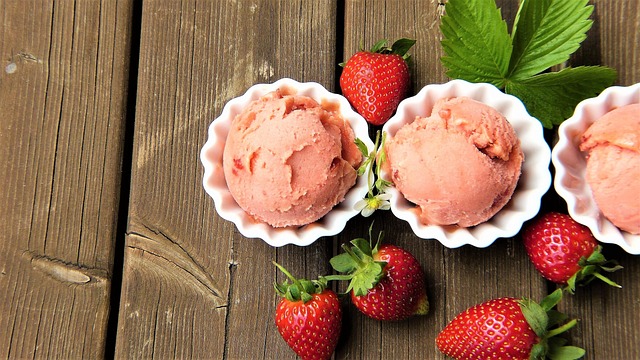
The goal isn’t to create the perfect bowl of “diet” ice cream. It’s to build a way of eating you don’t constantly feel the need to escape from. And if we can accomplish that with a little strawberry frozen yogurt along the way? I’m certainly not going to complain. 🍓🍦
📚 References
American Heart Association. (2024, September 23). Sugar 101. https://www.heart.org/en/healthy-living/healthy-eating/eat-smart/sugar/sugar-101
American Heart Association. (2026, March 23). Cooking for weight loss. https://www.heart.org/en/healthy-living/healthy-eating/losing-weight/cooking-for-weight-loss
American Heart Association. (n.d.). Frozen yogurt bark. American Heart Association Recipes. https://recipes.heart.org/en/recipes/frozen-yogurt-bark
Ueshima, J., Maeda, K., Wakabayashi, H., Nishioka, S., Momosaki, R., & Nagano, A. (2024). Enhanced protein intake on maintaining muscle mass, strength, and physical function in adults with overweight/obesity: A systematic review and meta-analysis. Clinical Nutrition ESPEN, 62, 14–23. PubMed record and DOI information
About the Author: Dr. Kisha Pickford, DNP, ACNP-BC, is a board-certified nurse practitioner, holistic nutrition weight loss coach, and founder of Ample Health & Wellness. She specializes in helping women over 40 uncover the root causes of weight and wellness challenges through evidence-based, personalized strategies that support sustainable health, healthy aging, and whole-body wellness.