Contact Us: (901) 675-6125


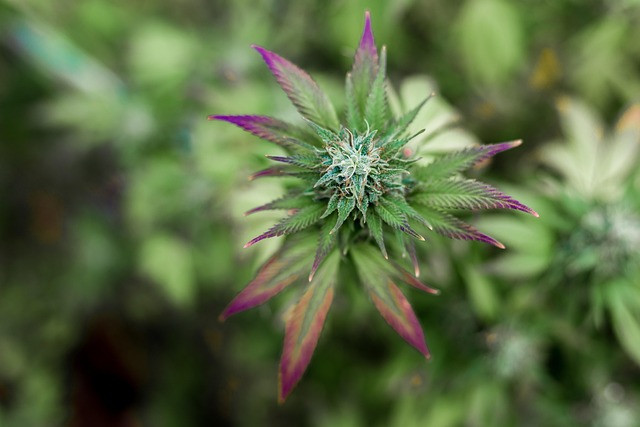
Have you noticed that CBD seems to be showing up everywhere? It’s in oils, gummies, creams, and products marketed for everything from relaxation to better sleep. And ladies, if you’re over 40 and dealing with menopause, stress, restless nights, or everyday aches and pains, you’ve probably seen at least one advertisement promising that CBD could help. But before you reach for your wallet, let’s have a conversation.
As a nurse practitioner and holistic weight-loss strategist, I believe women deserve more than catchy marketing claims. We deserve to understand what a product does, what the science actually supports, and whether it could interfere with our health. CBD may have potential therapeutic uses, but that doesn’t mean every product or wellness claim is supported by reliable evidence. Let’s separate what we know from what we’re still learning.
Affiliate Disclosure: This article contains affiliate links. Ample Health & Wellness may earn a commission from qualifying purchases at no additional cost to you. Affiliate relationships do not influence our medical guidance or replace the need for individualized healthcare advice.
What Is CBD, and How Is It Different From THC?
Cannabidiol, commonly called CBD, is one of the compounds found in cannabis plants. Another well-known compound is tetrahydrocannabinol, or THC. THC is primarily responsible for the intoxicating high associated with marijuana. CBD does not generally produce that same high, although it can still affect the brain and body. You’ll often see three terms when shopping for CBD:
- Full-spectrum CBD: Contains multiple naturally occurring cannabis compounds and may include THC.
- Broad-spectrum CBD: Contains multiple cannabis compounds, with THC generally removed or reduced. Trace amounts may still be possible.
- CBD isolate: A more purified form of CBD, without the broader mixture of plant compounds.
These descriptions do not guarantee that a particular product is THC-free or that its contents match the label. Laboratory results are important.
Why Are Women Over 40 Interested in CBD?

During midlife, women may experience changes in sleep, mood, stress levels, and physical comfort. Menopause can contribute to sleep disruption, while changes in activity, body composition, and existing health conditions may affect how we feel.
It’s understandable that women look for ways to improve their quality of life. But we need to distinguish between a product being popular and a product having proven clinical benefits. Let’s examine three common reasons women consider CBD.
1. CBD for Sleep: Does It Really Help?
Sleep difficulties are common during perimenopause and menopause. Some women struggle to fall asleep. Others wake repeatedly throughout the night or experience night sweats that interfere with rest.
CBD is frequently marketed as a natural sleep aid. However, research findings are mixed, and the evidence is not strong enough to establish over-the-counter CBD as an effective treatment for insomnia. Some studies also evaluate cannabis formulations containing THC or other cannabinoids, making it difficult to attribute results specifically to CBD.
If you’re having ongoing sleep difficulties, consider factors such as caffeine intake, alcohol, sleep schedules, medication effects, sleep apnea, and menopause related symptoms. Treating the underlying cause may be more useful than experimenting with supplements.
2. CBD for Stress and Anxiety
Another common claim is that CBD promotes relaxation. Researchers have investigated CBD’s effects on anxiety, and some early findings suggest possible therapeutic potential in certain circumstances. However, study methods, formulations, and doses vary considerably.
We still need larger, well-designed studies before making broad claims about CBD’s effectiveness for anxiety disorders. Also, feeling sleepy after taking a product isn’t necessarily the same as experiencing meaningful improvement in anxiety.
For everyday stress, strategies such as movement, adequate sleep, social support, and evidence-based behavioral approaches remain important. And when anxiety is persistent or interferes with daily life, professional evaluation is appropriate.
3. CBD for Joint Pain and Physical Discomfort
This is another area where marketing often gets ahead of research. Some studies suggest that certain cannabis-based products may provide modest improvements in particular pain conditions. But cannabis products containing THC are not equivalent to CBD-only products.
Evidence supporting CBD alone for common joint pain, muscle soreness, or arthritis remains limited. Topical CBD products also vary in their ingredients and formulations. If you’re experiencing persistent pain, it’s important to understand the cause rather than assuming a CBD cream will resolve it.
What About CBD for Menopause Symptoms?
Here’s a question I hear more often as interest in natural wellness products grows:
Can CBD help with menopause?
At this point, there isn’t convincing clinical evidence that CBD treats hot flashes, corrects hormonal changes, or prevents menopause related weight gain. Menopause involves complex changes in estrogen and other aspects of health. A product that makes someone feel relaxed isn’t necessarily addressing the cause of their symptoms. Women experiencing disruptive hot flashes, night sweats, vaginal symptoms, or significant sleep disturbances should discuss evidence-based treatment options with a qualified healthcare professional.
The Risks of CBD That Every Woman Should Know
This may be the most important section of our conversation. Natural does not mean risk-free. According to the U.S. Food and Drug Administration, CBD has been associated with several potential risks.
- Liver Effects: CBD can affect liver enzymes and has been associated with liver injury, particularly in studies involving pharmaceutical CBD doses. The risks associated with different over-the-counter formulations and long-term use are not fully understood.
- Medication Interactions: CBD can affect how certain medications are processed in the body. This may increase or decrease medication exposure, potentially changing effectiveness or side effects. If you take prescription medications, particularly those with important interaction risks, ask your pharmacist or prescribing clinician to review them before considering CBD.
- Sedation and Drowsiness: CBD may cause sleepiness or reduced alertness. Combining CBD with alcohol, sleep medications, or other sedating substances may increase impairment.
- Product Quality and Labeling: Some CBD products have been found to contain different amounts of cannabinoids than their labels indicate. Others may contain THC or unwanted contaminants. This is one reason independent laboratory testing matters.
- Pregnancy and Breastfeeding: The FDA strongly advises against CBD use during pregnancy and breastfeeding. And one more important point: the FDA has approved a prescription CBD medication for certain seizure disorders, but that approval does not extend to ordinary CBD wellness products.
How to Evaluate a CBD Product Before Buying
If you’re considering CBD after discussing its risks with your healthcare professional, product transparency should be a priority. Here are some things worth examining:
1. Independent laboratory testing: Look for a certificate of analysis, often called a COA, from an independent laboratory.
2. Cannabinoid content: Check whether the reported CBD and THC amounts match the product label.
3. Contaminant testing: Depending on the product and laboratory report, testing may include pesticides, heavy metals, residual solvents, and microbial contaminants.
4. Clear ingredient information: Review the complete ingredient list, especially if you have allergies or sensitivities.
5. Realistic claims: Be cautious of products advertised as cures for anxiety, insomnia, chronic pain, hormonal imbalances, or other medical conditions. No amount of attractive packaging substitutes for reliable evidence.
A Look at CBDistillery
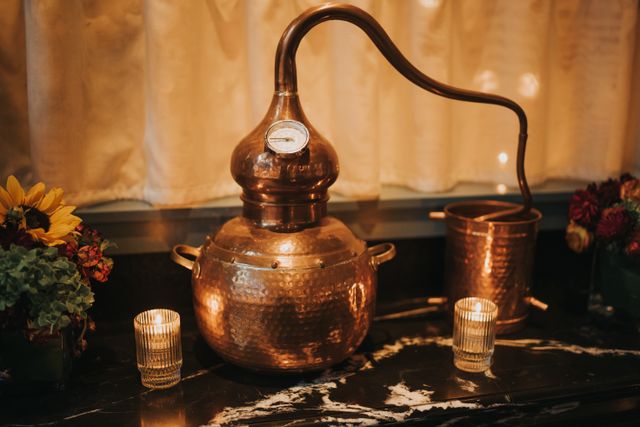
One company you may encounter while researching CBD products is CBDistillery, a hemp-derived CBD brand offering several types of products. According to the company’s published information, its products undergo third-party laboratory testing, and customers can access batch specific results using product QR codes. That kind of transparency is useful when comparing products. However, laboratory testing doesn’t establish that a product is clinically effective, appropriate for every individual, or free of all potential risks.
I also want to be clear that I am not presenting CBDistillery as a medically proven solution for sleep, stress, menopause, or pain. Rather, it’s an example of a company whose stated testing practices illustrate one of the quality considerations consumers should investigate. I haven’t personally tested the products discussed here, and anyone considering CBD should review the specific product’s current laboratory report, ingredients, THC content, and potential interactions before making a decision.
Affiliate resource: CBDistillery’s product information and laboratory-testing resources can be reviewed through the affiliate link provided with this article.
Does CBD Belong in Your Wellness Routine?
That depends on your health history, medications, reasons for considering CBD, and the evidence available for your particular concern. Sometimes the more important question isn’t whether a supplement might help. It’s whether we’ve identified what’s contributing to the problem in the first place.
If you’re struggling with sleep, is menopause playing a role? Could medication timing, stress, or sleep apnea be contributing? If you’re dealing with physical discomfort, would strength training, rehabilitation, or evaluation of an underlying condition be more appropriate? And if you’re feeling overwhelmed, are there lifestyle changes or professional supports that could help? Those questions deserve attention before adding another product to your routine.
How This Fits the FRESH Framework
At Ample Health & Wellness, we focus on sustainable habits and whole-body health. The H in our FRESH Framework stands for Honor Whole Health. That means recognizing that wellness involves more than weight loss. Sleep, stress, nutrition, physical activity, emotional well-being, and informed healthcare decisions all matter. It also means being thoughtful about the products we introduce into our lives. You don’t have to try every new supplement to be proactive about your health. Sometimes being proactive means asking better questions.
Final Ample Thoughts
CBD continues to attract interest, and research into its potential medical applications is ongoing. But for women over 40, the most important message is this:
CBD is not a proven shortcut to better sleep, stress relief, pain control, or menopause management.
CBD has potential risks, including medication interactions, sedation, and liver-related effects. If you’re considering a CBD product, discuss it with your healthcare professional, review the available evidence, and pay attention to product quality.
Companies such as CBDistillery may provide information about testing and ingredients that consumers can examine, but a company’s quality practices should never be confused with proof of medical benefit. For readers researching CBD products, the CBDistillery affiliate resource is available. Exploring a product does not mean it is recommended for your individual health circumstances. And ladies, remember:
Your wellness journey isn’t about chasing every trend. It’s about making informed choices that support the health and life you want to build. That’s what honoring whole health is all about.
📚References
U.S. Food and Drug Administration. (n.d.). What you need to know (and what we’re working to find out) about products containing cannabis or cannabis-derived compounds, including CBD. https://www.fda.gov/consumers/consumer-updates/what-you-need-know-and-what-were-working-find-out-about-products-containing-cannabis-or-cannabis
U.S. Food and Drug Administration. (n.d.). What you should know about using cannabis, including CBD, when pregnant or breastfeeding. https://www.fda.gov/consumers/consumer-updates/what-you-should-know-about-using-cannabis-including-cbd-when-pregnant-or-breastfeeding
National Center for Complementary and Integrative Health. (n.d.). Cannabis (marijuana) and cannabinoids: What you need to know. https://www.nccih.nih.gov/health/cannabis-marijuana-and-cannabinoids-what-you-need-to-know
National Institutes of Health. (n.d.). Cannabis. https://health.nih.gov/substance-use-drugs/cannabis
CBDistillery. (n.d.). Are CBDistillery’s products third-party tested? https://thecbdistillery.zendesk.com/hc/en-us/articles/360008511413-Are-CBDistillery-s-products-third-party-tested
👩🏾⚕️About the Author
Dr. Kisha Pickford, DNP, ACNP-BC, is a board-certified nurse practitioner, holistic nutrition weight-loss coach, GLP-1 lifestyle integration coach, and founder of Ample Health & Wellness. She helps women over 40 navigate weight management and midlife wellness through evidence-informed education, sustainable habits, and whole-health strategies.