Contact Us: (901) 675-6125


You can have the best intentions in the world and still find yourself standing in the kitchen at 9 p.m. wondering how the cookies ended up in your hand. It happens…. We often talk about weight loss as though every decision comes down to discipline:
- Just make better choices.
- Just stick with the plan.
- Just have more willpower.
But our health behaviors don’t happen in a vacuum. They happen inside homes, kitchens, workplaces, cars, restaurants, phones, relationships, and routines that constantly give us cues about what to do next.
For women over 40, this can become particularly important. We may be managing careers, caregiving responsibilities, menopause-related changes, stress, sleep disruption, health concerns, and years of established routines — all while trying to improve our health.
That’s a lot to ask willpower to manage by itself. Sometimes sustainable weight loss isn’t about trying harder. It’s about designing an environment that makes the habits you want to build easier to practice.
Why Your Environment Matters More Than You Think
Human behavior is influenced by cues. We see something. We smell something. We walk into a particular room. Our phone buzzes. Someone offers us food. And before we’ve consciously thought through the decision, a familiar behavioral pattern may already be underway.
Research suggests that features of our food environment (including portion and package size, availability, accessibility, and other environmental cues) can influence what and how much we eat. That doesn’t mean your environment determines every choice you make. You still have agency. But there’s a major difference between making one intentional decision and having to resist the same temptation 15 times every day.
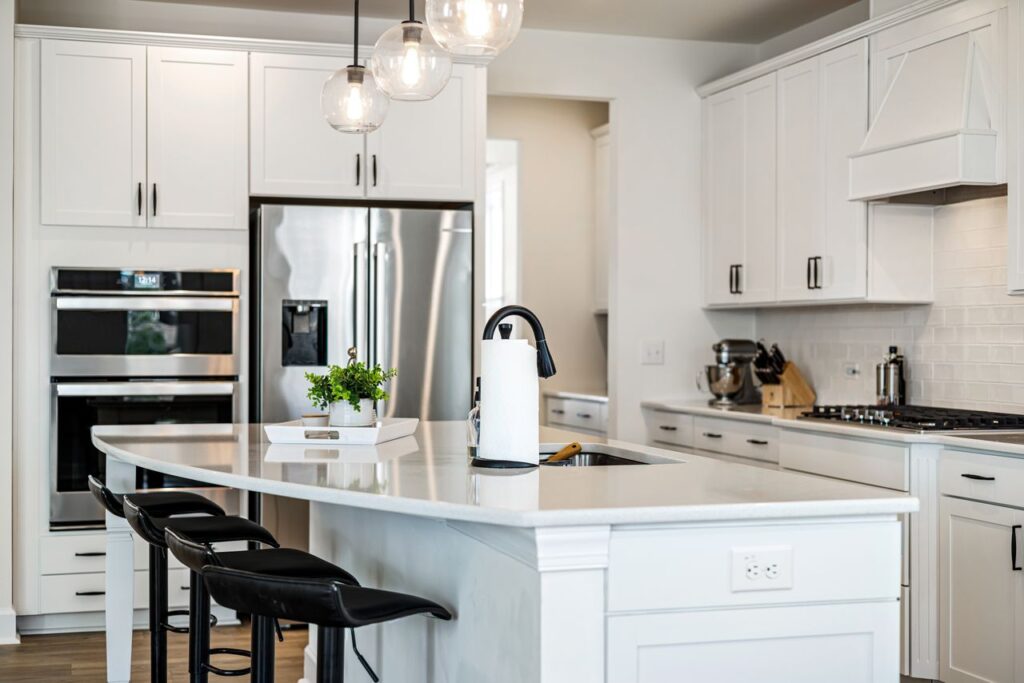
Consider two kitchens. In the first, water is cold and ready. Fruit is visible. Vegetables have been washed. Protein options are available. Dinner ingredients are easy to find. In the second, nothing is prepared. The counter is covered with snack foods. There’s little in the refrigerator that can quickly become a meal, and a food-delivery app is three taps away.
The woman standing in those kitchens may have exactly the same health goal. But she’s not operating under the same conditions. That’s why environmental design deserves a place in the weight-loss conversation.
1. Start With Your Kitchen Environment
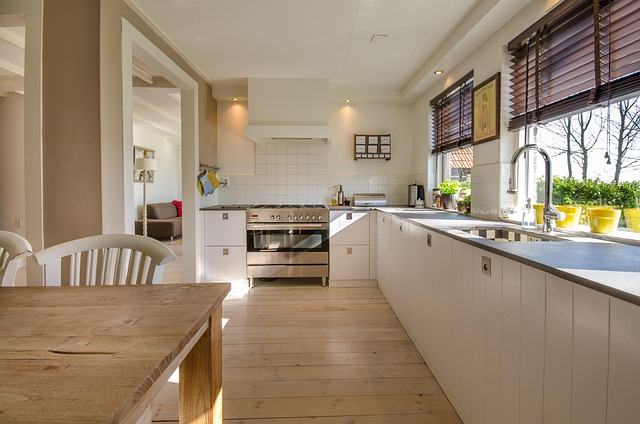
Your kitchen is one of the most powerful places to begin. I’m not suggesting throwing everything away and creating a refrigerator worthy of an Instagram photo. We’re designing for real life, not social media. Start with visibility and accessibility. Ask yourself:
- What foods do I see first?
- What is sitting on my countertops?
- What’s at eye level in my refrigerator?
- Are nutritious foods easy to grab?
- Do I have ingredients that can become a quick meal?
- Which foods require the least effort when I’m tired?
Then make small adjustments. Place foods you want to eat more frequently where they’re easy to see and reach.
- Wash fruit.
- Prepare vegetables.
- Keep water available.
- Have a few simple protein options ready.
- Move foods you prefer to eat less frequently away from the most visible locations.
You’re not banning anything. You’re changing the architecture of the choice.
2. Reduce Friction Around the Habits You Want
One of the simplest principles of behavior change is this: Make the behavior you want easier to perform.
If your goal is drinking more water but your water bottle is buried in a cabinet, there’s unnecessary friction. If your goal is walking after work but your shoes are upstairs in the back of the closet, that’s friction. If you’d like to cook more often but every meal requires 45 minutes of preparation after a 10-hour workday, that’s a lot of friction.
Instead, ask: How can I make this easier?
Put your water bottle where you’ll see it. Leave your walking shoes near the door. Keep frozen vegetables available for busy nights. Cook enough protein for more than one meal. Have two or three “emergency meals” you can prepare quickly.
Healthy living doesn’t receive extra points for being difficult.
3. Increase Friction Around Automatic Habits
The opposite principle can also help. If there’s a behavior you’d like to do less automatically, make it slightly less convenient. Notice that I said less automatically, not “never do it again.”
For example, if you routinely snack while watching television, don’t keep the snack beside your favorite chair. If opening a food-delivery app has become an automatic response to stress, turn off its notifications or move it off your home screen. If candy sits in a bowl on your desk and you eat it without even realizing it, put it somewhere less visible.
A few extra seconds can sometimes create enough space to ask: Do I actually want this, or did I simply see it? That pause matters.
4. Pay Attention to Portion Cues
Our surroundings can also influence how much we eat. Package size, serving containers, plate size, and restaurant portions can all affect our perception of what constitutes a normal amount of food. You don’t have to start weighing every bite. Instead, become more aware of how food is presented.
Try putting snacks into a bowl instead of eating directly from a large package. Serve a portion and give yourself permission to get more if you’re genuinely still hungry. Use your body’s hunger and fullness signals as information rather than allowing the package to decide when you’re finished.
The goal isn’t restriction. It’s awareness.
5. Design Your Work Environment Too
For many women, the hardest food environment isn’t home. It’s work. Breakrooms can be full of donuts, candy, leftovers, catered lunches, vending machines, and food brought in by well-meaning coworkers. Then add stress and skipped meals. That’s a powerful combination.
You may not control what’s in the breakroom, but you can control some of what you bring into the environment. Keep a few satisfying snacks available. Bring lunch when practical. Carry water. If your schedule is unpredictable, have a backup option.
Planning isn’t about controlling every minute of your day. It’s about reducing the number of times you’re forced to make a health decision when you’re exhausted, stressed, and extremely hungry.
6. Your Digital Environment Counts
We now carry an entire food environment in our pockets.
- Food-delivery apps send notifications.
- Restaurants advertise directly to us.
- Social media exposes us to endless food content.
Then the wellness industry adds another layer:
- “Never eat this.”
- “You must eat that.”
- “This food destroys your metabolism.”
- “This supplement melts belly fat.”
That’s a lot of noise. Curate your digital environment just as intentionally as your kitchen.
- Turn off unnecessary notifications.
- Unfollow accounts that encourage fear, shame, or unrealistic expectations.
- Be cautious about wellness influencers making dramatic claims.
Fill your feed with information that supports the kind of relationship you want to have with food and your body. Your mental environment matters too.
7. Look at Your Social Environment
Food is social. We celebrate with it. We comfort with it. We gather around it. And the people closest to us can influence our habits — sometimes without realizing it. You don’t need everyone in your household to follow your eating pattern. But support helps.
You might say: “I’m trying to make a few changes to support my health. You don’t have to change what you eat, but I’d appreciate your support while I work on this.” You may also need boundaries.
Maybe you stop discussing your weight with someone who constantly criticizes your body. Maybe you ask family members not to bring certain foods home specifically “for you.” Maybe you find a friend who wants to walk with you. Environment includes people. Choose support where you can.
8. Don’t Forget the Sleep Environment

A bedroom isn’t usually included in a weight-loss plan. I think it should be. Sleep influences appetite regulation, energy, mood, stress, glucose metabolism, and your ability to make intentional choices the following day. If your bedroom encourages scrolling until midnight rather than sleeping, changing that environment may support your wellness more than another restrictive food rule. Consider:
- Keeping the room dark and comfortable
- Reducing unnecessary noise
- Establishing a regular wind-down routine
- Charging your phone farther from the bed
- Reducing late-night screen exposure
- Keeping relatively consistent sleep and wake times
Sometimes improving tomorrow’s choices begins the night before.
9. Create a Home That Encourages Movement
Movement can also be designed into your environment.
- Keep walking shoes visible.
- Put resistance bands somewhere you’ll actually use them.
- Leave room for a short home workout.
- Schedule walking meetings when possible.
- Park a little farther away.
- Take the stairs when appropriate.
None of these things replaces structured exercise if that’s part of your plan. But health isn’t created only during workouts. Your everyday movement matters too.
10. Build Systems for Your Tired Self
This may be the most important part. Don’t design your wellness plan exclusively for the version of you who is motivated on Sunday afternoon. Design it for Wednesday-night you.
She’s tired. Work was difficult. Someone needs something. Dinner isn’t prepared. She doesn’t want to count anything, measure anything, or make 17 decisions. What would help her?
- Maybe it’s a freezer meal.
- Maybe it’s rotisserie chicken and frozen vegetables.
- Maybe it’s leftovers.
- Maybe it’s knowing exactly what three meals you can prepare in 10 minutes.
- Maybe it’s giving yourself permission to choose “good enough.”
Your environment should support you when motivation is low and not only when motivation is high.
What Environment Has to Do With Mindset
Environmental design isn’t a replacement for mindset work. The two actually support each other. If you repeatedly tell yourself:
- “I have no discipline.”
- “I always mess this up.”
- “I just can’t stick with anything.”
you may overlook the systems contributing to the problem. Instead ask:
What keeps making this behavior difficult?
That’s a much more useful question. Maybe you don’t need more shame. Maybe you need lunch. Maybe you need sleep. Maybe you need food prepared. Maybe you need fewer notifications. Maybe you need a boundary. Maybe you need a different system. That’s problem-solving and not failure.
Simplify Your Environment: The “S” in FRESH Start
At Ample Health & Wellness, Simplify Your Environment is part of the FRESH Start approach I use to help women think beyond another temporary diet. Your environment should support the life you’re trying to build. That doesn’t mean creating a perfectly organized house where cookies never enter the building. It means intentionally asking:
Does my environment make the habits I want easier or harder?
Then we adjust accordingly. Sometimes the smallest environmental change can remove a surprisingly large barrier.
Try This 10-Minute Kitchen Check
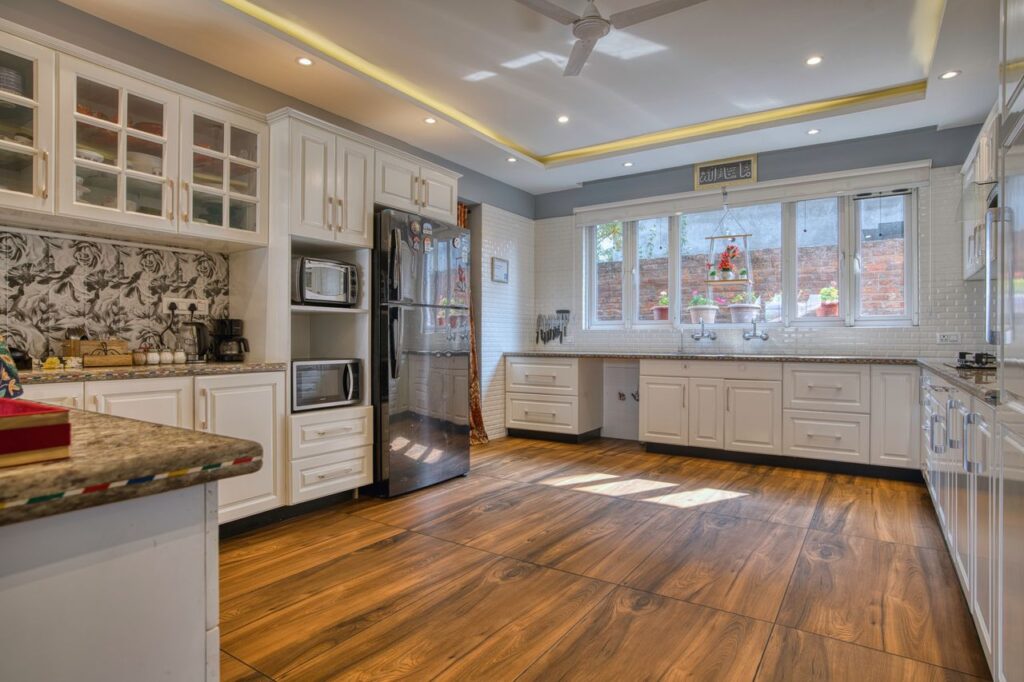
Before you leave this article, walk into your kitchen and spend 10 minutes observing it. Don’t clean anything yet. Just look.
Ask yourself:
- What is the first food I see?
- Is water easy to access?
- Can I quickly identify a protein option?
- Are fruits and vegetables visible and usable?
- What would I eat if I were suddenly hungry?
- Are my countertops helping or distracting me?
- Is my refrigerator organized enough to know what’s available?
- What food am I regularly throwing away because I forget it’s there?
- What makes cooking feel difficult in this space?
- What ONE change would make tomorrow easier?
Don’t overhaul everything. Pick the answer to question number 10. Start there.
Ready to Give Your Kitchen a Fresh Start?
If that 10-minute check made you realize your kitchen could better support the habits you’re trying to build, I’ve created a practical next step. The 5-Day Kitchen Cleanout from Ample Health & Wellness walks you through clearing, organizing, and restocking your kitchen so your space better supports your health goals.
This isn’t about creating a “perfect” kitchen or throwing away everything you enjoy. It’s about becoming more intentional about the environment you’re living and eating in every day.
One Change Is Enough for Today
Please don’t finish this article and immediately empty every cabinet in your house. You don’t need another overwhelming project. Pick one change.
- Clear one countertop.
- Move your fruit.
- Fill your water bottle.
- Prepare tomorrow’s lunch.
- Turn off the delivery notification.
- Put your walking shoes by the door.
- Go to bed 30 minutes earlier.
Small environmental changes repeated consistently can become systems. And systems can make healthy habits easier to maintain when motivation inevitably changes. You don’t have to build an environment where unhealthy choices are impossible.
Build one where the healthy choice becomes easier. That’s a much more sustainable place to begin.
Stay Connected With Ample
If you’d like more practical, evidence-informed guidance for weight management and whole-person wellness after 40, join Wellness Weekly from Ample Health & Wellness. Each week, we continue conversations about nutrition, metabolism, sleep, stress, mindset, hormones, healthy aging, and the everyday habits that help women build healthier lives without chasing perfection.
👩🏾⚕️About the Author
Dr. Kisha Pickford, DNP, ACNP-BC, is a board-certified nurse practitioner, holistic nutrition weight loss coach, and founder of Ample Health & Wellness. She specializes in helping women over 40 uncover the root causes of weight and wellness challenges through evidence-based, personalized strategies that support sustainable health, healthy aging, and whole-body wellness.
📚References
- Hollands GJ, Shemilt I, Marteau TM, et al. Portion, package or tableware size for changing selection and consumption of food, alcohol and tobacco. Cochrane Database of Systematic Reviews. 2015;(9):CD011045. doi:10.1002/14651858.CD011045.pub2.
- U.S. Department of Health and Human Services. Physical Activity Guidelines for Americans, 2nd Edition. Washington, DC: U.S. Department of Health and Human Services; 2018.
- Watson NF, Badr MS, Belenky G, et al. Recommended Amount of Sleep for a Healthy Adult: A Joint Consensus Statement of the American Academy of Sleep Medicine and Sleep Research Society. Journal of Clinical Sleep Medicine. 2015;11(6):591–592.
- Hollands GJ, Shemilt I, Marteau TM, et al. Portion, package or tableware size for changing selection and consumption of food, alcohol and tobacco: a Cochrane systematic review. Cochrane Public Health.
⚠️Medical Disclaimer
This article is for educational and informational purposes only and is not intended to diagnose, treat, cure, or prevent disease or replace individualized medical advice. Speak with your healthcare professional about medical conditions or significant changes to your nutrition, activity, or wellness routine.