Contact Us: (901) 675-6125


GLP-1 medications like semaglutide (Ozempic®, Wegovy®) and tirzepatide (Mounjaro®, Zepbound®) have changed the weight loss landscape. By slowing digestion, improving blood sugar, and reducing appetite, these medications help many women over 40 finally see progress after years of struggle.
But here’s something fascinating: certain foods can actually mimic some of the same effects as GLP-1 medications, without a prescription. While these foods may not be as powerful as the medication, adding them to your diet can support your weight loss journey naturally, whether you’re on GLP-1 therapy or not.
How GLP-1 Weight Loss Medications Work
GLP-1 receptor agonists are designed to:
- Slow gastric emptying, keeping you fuller for longer
- Improve insulin sensitivity, stabilizing blood sugar
- Decrease appetite, leading to fewer cravings
- Regulate hormones, influencing weight management
The good news? Certain foods can trigger similar responses in your body by stimulating your natural GLP-1 hormone production.
Foods That Boost Natural GLP-1 Activity
1. Protein-Rich Foods
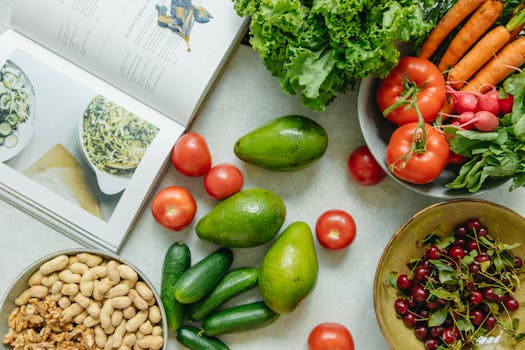
Protein is a powerful stimulator of GLP-1 release. Lean meats, fish, eggs, Greek yogurt, and plant-based proteins like beans and lentils can all help you stay full and regulate blood sugar.
💡Tip: Aim for 20–30 grams of protein at each meal.
2. Fermented Foods & Fiber
Gut health matters. Fermented foods (like kimchi, sauerkraut, kefir, and miso) and fiber-rich foods (like oats, chia seeds, and leafy greens) promote short-chain fatty acid production in the gut, which boosts GLP-1 secretion.
💡Tip: Add a tablespoon of chia or flax to your smoothie or yogurt daily.
3. Healthy Fats
Avocados, olive oil, nuts, and seeds can increase satiety and may stimulate GLP-1 release. They also slow digestion naturally, keeping you satisfied longer.
💡Tip: Pair healthy fats with protein for balanced blood sugar.
4. Bitter Foods
Foods like arugula, dandelion greens, dark chocolate (70%+ cacao), and bitter melon stimulate gut hormones (including GLP-1).
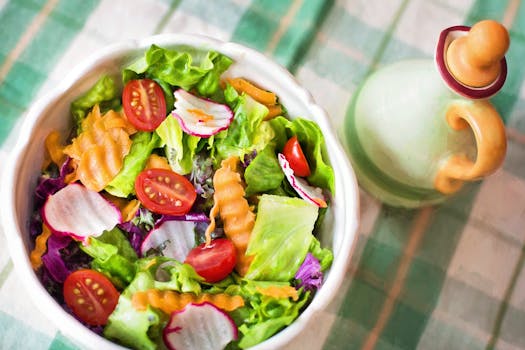
💡Tip: Add a handful of arugula or watercress to your lunch salad.
5. Green Tea & Coffee
Both contain compounds that may enhance GLP-1 secretion. Green tea in particular has catechins that help with fat metabolism and appetite control.
💡Tip: Swap one soda or juice for green tea daily.
6. Legumes & Resistant Starch
Beans, lentils, chickpeas, and foods rich in resistant starch (like cooked and cooled potatoes or rice) improve gut health and help your body naturally release more GLP-1.
💡Tip: Try a chickpea or lentil-based pasta for dinner.
Lifestyle Habits That Support GLP-1 Naturally
It’s not just food you can add to your weight loss journey. Certain habits can also enhance your body’s natural GLP-1 activity:
- Exercise: Both aerobic and resistance training stimulate GLP-1 release.
- Sleep: Poor sleep reduces GLP-1 levels and increases hunger hormones like ghrelin.
- Stress management: Chronic stress interferes with gut hormone balance, making it harder for GLP-1 to do its job.
The Realistic Truth
While these foods and habits can support your GLP-1 system, they are not replacements for medication if you’ve been prescribed it. However, they can:
- Make GLP-1 weight loss medications more effective
- Reduce side effects like nausea or cravings
- Support weight loss if you’re not on medication
Think of them as natural amplifiers of what your body (and your medication) is already trying to do.
The Ample Bottom Line
Your plate can be one of your most powerful tools for weight loss …on or off medication. By including protein, fiber, fermented foods, healthy fats, and even bitter greens, you can tap into your body’s own GLP-1 system.
At Ample Health & Wellness, I guide women over 40 through these evidence-based strategies inside my FRESH Start Holistic Weight Loss Program. And in my book The Weight Is Over, I show you how to combine nutrition, mindset, and lifestyle tools to make your results last.
About the Author: Dr. Kisha Pickford, DNP, is a board-certified nurse practitioner and holistic nutrition weight loss coach at Ample Health & Wellness. She helps women over 40 achieve sustainable weight loss and whole-body wellness through holistic, evidence-based coaching.
📚References
- Drucker, D. J. (2018). Mechanisms of action and therapeutic application of glucagon-like peptide-1. Cell Metabolism, 27(4), 740–756.
- Reimann, F., & Gribble, F. M. (2016). Gut hormones and GLP-1 physiology. Clinical Science, 130(2), 79–91.
- Tolhurst, G., Heffron, H., Lam, Y. S., et al. (2012). Short-chain fatty acids stimulate GLP-1 secretion via the G-protein–coupled receptor FFAR2. Diabetes, 61(2), 364–371.