Contact Us: (901) 675-6125



You started a GLP-1 medication expecting weight loss. Maybe things went exactly as expected at first. Your appetite decreased, food noise became quieter, portions became smaller, and the scale finally started moving. Then it slowed down. Or stopped. Or perhaps your results were never as dramatic as the transformations you’ve seen online.
For women over 40, that can be particularly frustrating. You may already be navigating menopause, changes in body composition, disrupted sleep, increased stress, or years of unsuccessful attempts at weight loss. Now you’re taking a medication that was supposed to help and you’re wondering: Why am I still struggling to lose weight on a GLP-1?
GLP-1 medications can be powerful tools in obesity and weight management treatment. But they don’t produce identical results in every person, and medication is only one part of a much larger metabolic picture. Before deciding your medication has “stopped working,” here are seven things worth considering.
1. Your GLP-1 Weight Loss Expectations May Need a Reality Check
One of the first things I encourage women to do is separate clinical expectations from social media expectations. Online, we tend to see exceptional results. Someone loses 60 pounds. Someone drops several clothing sizes. Someone posts dramatic before-and-after pictures.
What you usually don’t see is the complete clinical picture. People begin treatment at different weights and have different health histories, genetics, activity levels, eating patterns, medications, medical conditions, and treatment plans. Even in clinical trials, weight loss results are reported as averages. Individual responses vary. Some people lose considerably more than the average. Others lose less.
And weight loss generally occurs over months not overnight. This is why another person’s transformation should never become the standard you use to decide whether your own body is succeeding.
2. Weight Loss Rarely Happens in a Perfectly Straight Line
Many people expect weight loss to look something like this:

- Week 1: down.
- Week 2: down.
- Week 3: down.
- Week 4: down.
Real bodies rarely cooperate with spreadsheets that neatly. Body weight can fluctuate because of hydration, sodium intake, bowel movements, hormonal changes, glycogen stores, food intake, and numerous other factors. And as weight decreases, the body’s energy requirements may change. Eventually, the rate of loss may slow.
A short period without movement on the scale does not necessarily mean you’ve reached a true weight loss plateau or that your medication no longer works. Instead of reacting immediately, look at the trend over time. And if you have concerns about your medication response, discuss them with your prescribing healthcare professional rather than adjusting your dose yourself.
3. Reduced Appetite Can Sometimes Make Good Nutrition Harder
GLP-1 medications often reduce appetite and increase feelings of fullness. That’s part of what makes them helpful for many people. But there can be a downside.
If you’re rarely hungry, you may begin skipping meals or eating very small amounts without paying much attention to the nutritional quality of those meals. The goal should not become: “How little can I possibly eat?”. Your body still requires nutrients.
Women using GLP-1 medications should continue thinking about overall dietary quality, including appropriate amounts of:
- Protein
- Fiber
- Fruits and vegetables
- Healthy fats
- Nutrient-dense carbohydrates when appropriate
- Vitamins and minerals
- Fluids
Your individual needs will vary based on your health, medications, activity, weight management goals, and other factors. GLP-1 treatment shouldn’t turn into another version of extreme dieting. Eating less and nourishing yourself well are not automatically the same thing.
4. You Need to Think About Muscle… Especially After 40
When the number on the scale drops, not every pound lost necessarily comes from body fat. Weight loss can include reductions in lean mass as well. That deserves attention for women in midlife because aging itself is associated with changes in muscle mass and strength. Muscle helps support:

- Strength
- Mobility
- Balance
- Physical function
- Metabolic health
- Long-term independence
This doesn’t mean you need to become obsessed with body composition numbers. It means your weight management plan should consider what you’re trying to preserve while you’re losing. Adequate nutrition and resistance exercise, when appropriate for your health and ability, can be important parts of that conversation.
Your goal shouldn’t simply be: Lose as much weight as possible. A better goal is: Improve health while preserving as much function and strength as reasonably possible.
5. Sleep and Stress Still Matter on a GLP-1
Starting medication doesn’t remove the rest of your physiology or your life. Women over 40 may simultaneously be dealing with:
- Perimenopause or menopause
- Hot flashes or night sweats
- Insomnia
- Shift work
- Caregiving
- Career demands
- Financial stress
- Relationship changes
- Chronic health conditions
Poor sleep can influence appetite regulation, glucose metabolism, energy, mood, food choices, and willingness to exercise. Chronic stress can also influence behaviors that affect weight management. This is where I think the wellness conversation sometimes becomes too simplistic. No, we shouldn’t tell women that cortisol is automatically responsible for every pound around their abdomen.
But we also shouldn’t pretend sleep, stress, recovery, and emotional well-being have nothing to do with health. Your GLP-1 is working inside a whole person and not just on a number on the scale.
6. Your Everyday Habits Still Matter
This can be a sensitive part of the GLP-1 conversation. Obesity is complex, and telling someone to “just eat less and exercise more” ignores the biological, environmental, psychological, medical, social, and genetic factors involved in weight regulation. At the same time, medication doesn’t make lifestyle behaviors irrelevant. In fact, GLP-1 therapy may create an opportunity to build habits that previously felt much harder.
- If food noise decreases, you may have more mental space to plan balanced meals.
- If hunger becomes more manageable, you may find it easier to recognize portions.
- If weight loss improves mobility, movement may become more comfortable.
The question isn’t: “Can I prove I have enough willpower?” It’s: “What sustainable habits can I build while I have this additional tool supporting me?” Those habits may include meal planning, hydration, strength training, walking, sleep routines, stress management, or creating a home environment that makes healthy choices easier.
Medication and lifestyle don’t have to compete. They can work together.
7. The Scale May Not Be Showing the Entire Picture
If you’ve followed Ample Health & Wellness for any length of time, you’ve probably heard me say this before: The scale is data. It isn’t the entire story. Weight matters in certain health contexts, but it isn’t our only measure of progress. Ask yourself:
- Has my waist circumference changed?
- Are my clothes fitting differently?
- Is movement easier?
- Am I stronger?
- Is my stamina improving?
- Has my blood pressure improved?
- Have glucose or other metabolic markers improved?
- Is my relationship with food changing?
- Has food noise decreased?
- Am I eating more intentionally?
- Have I developed habits I can maintain?
Sometimes we’re so focused on the next five pounds that we miss evidence that our health is moving in a positive direction. That doesn’t mean you should ignore a genuine lack of response to treatment. It means we should evaluate progress more thoughtfully.
Has My GLP-1 Stopped Working?
A slowing scale alone cannot answer that question. If you aren’t getting the results you and your healthcare professional expected, it’s reasonable to review your treatment. That conversation may include your medication, dose, side effects, adherence, health conditions, other medications, nutrition, activity, sleep, and other factors. What you shouldn’t do is independently increase your medication, dramatically restrict food, or begin an extreme exercise program because the scale didn’t move this week.
Bring the concern to your prescribing healthcare professional. Sometimes the next step is a medication discussion. Sometimes it’s a lifestyle issue that deserves attention. Sometimes expectations need adjusting. And sometimes there are several things happening at once.
What About Menopause and GLP-1 Weight Loss?
For women over 40, we also have to acknowledge the menopausal transition. Changes in estrogen during menopause are associated with changes in body composition and fat distribution, including a tendency toward greater central or abdominal fat accumulation.
Aging can also bring changes in muscle mass and energy expenditure. Add disrupted sleep, stress, reduced activity, and years of dieting to the picture, and midlife weight management can become complicated.
A GLP-1 medication doesn’t make menopause irrelevant. But menopause also doesn’t mean successful weight management is impossible. It simply reinforces why women deserve an individualized approach rather than another one-size-fits-all diet.
Before You Eat Less, Look at the Bigger Picture
When weight loss stalls, the instinct is often: Cut more food. But before automatically reducing your intake again, consider asking:
- Am I eating enough nutritious food to support my health?
- Am I getting adequate protein and fiber?
- Am I staying hydrated?
- Am I preserving muscle through appropriate activity?
- How am I sleeping?
- How high is my stress?
- Have my daily habits changed?
- Am I comparing myself with an unrealistic standard?
- Have I discussed my progress with my prescriber?
That’s a much more useful assessment than immediately deciding you need to punish your body into losing another pound.
Your GLP-1 Is a Tool, Not the Entire Toolbox
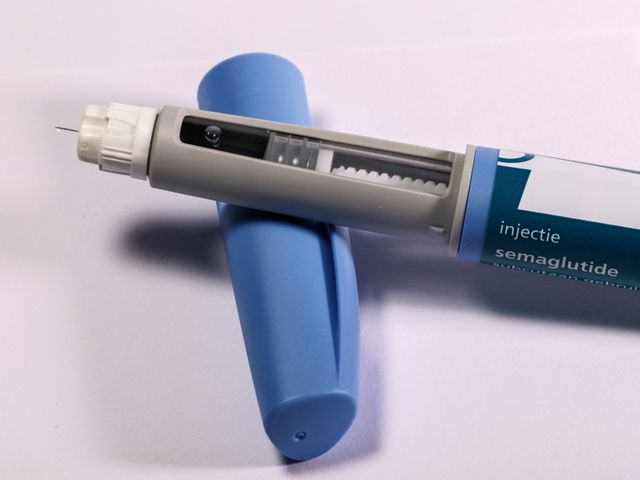
GLP-1 medications have changed the treatment landscape for obesity and weight management. For some people, these medications provide meaningful assistance after years of struggling with hunger, appetite regulation, food noise, and weight regain. That shouldn’t be minimized. But neither should the rest of your health.
Medication works within a body that still needs nourishment. Muscle. Movement. Sleep. Hydration. Stress management. Medical care. And sustainable habits.
That’s why I encourage women to think beyond simply: “How much weight can this medication help me lose?” and begin asking: “How can I use this season to build a healthier life?”
The FRESH Approach to GLP-1 Weight Management
At Ample Health & Wellness, I use the FRESH Start Framework to help women look beyond the scale.
- Food Freedom & Foundations: Focus on nourishing your body rather than simply eating as little as possible.
- Rewire Mindset: Move away from all-or-nothing thinking, comparison, and the belief that a slower week means you’ve failed.
- Elevate Habits: Build repeatable routines around nutrition, movement, strength, hydration, sleep, and recovery.
- Simplify Environment: Make your surroundings support the habits you’re trying to establish.
- Honor Whole Health: Remember that metabolic health, mental well-being, sleep, stress, hormones, relationships, and quality of life all matter.
The medication may be part of your plan. The goal is to build a life and health strategy around the woman taking it.
Taking a GLP-1 but Still Wondering What’s Missing?
If you’re doing many of the “right things” but still feel stuck, sometimes you need more than another generic weight loss plan. You need to look at the bigger picture.

Root Cause Weight Loss & Wellness Audit
The Root Cause Weight Loss & Wellness Audit from Ample Health & Wellness takes a closer look at the everyday factors that may be influencing your weight management journey… including nutrition, sleep, stress, habits, and lifestyle patterns.
It’s designed to help identify areas that may deserve more attention so you can make more intentional decisions about your wellness plan.
And remember: the Root Cause Audit complements your medical care. Medication management remains between you and your prescribing healthcare professional.
Continue Your Wellness Journey
Want more practical conversations about GLP-1 lifestyle support, menopause, metabolic health, sustainable weight management, nutrition, sleep, and wellness after 40? Join the Ample Wellness Weekly community.
Because whether you’re taking a GLP-1, coming off one, or managing your weight without medication, the goal isn’t simply to chase a smaller number. It’s to build habits and health you can carry forward.
Frequently Asked Questions
Why am I not losing weight on a GLP-1?
Individual responses to GLP-1 medications vary. Medication type and dose, treatment duration, nutrition, physical activity, medical conditions, other medications, sleep, stress, and individual biology can all be relevant. Discuss concerns about your response with your prescribing healthcare professional.
Is it normal for weight loss to slow down on a GLP-1?
Weight loss does not typically occur at exactly the same rate throughout treatment. Short-term fluctuations or slower periods don’t automatically mean treatment has failed. Your prescriber can help determine whether your progress is appropriate for your individual treatment plan.
Should I eat less if my weight loss has stalled?
Not necessarily. Dramatically restricting food can make adequate nutrition more difficult, particularly when your appetite is already suppressed. Consider the quality and adequacy of your nutrition and discuss significant dietary changes with an appropriate healthcare professional.
Can I lose muscle while taking a GLP-1?
Weight loss can include both fat mass and lean mass. Maintaining adequate nutrition and incorporating appropriate resistance exercise are important considerations during weight loss, particularly as we age.
Should I increase my GLP-1 dose if I’m not losing weight?
Do not change your medication dose on your own. GLP-1 dosing and medication decisions should be discussed with your prescribing healthcare professional.

👩🏾⚕️ About the Author
Dr. Kisha Pickford, DNP, ACNP-BC is a board-certified nurse practitioner, holistic nutrition weight loss coach, and GLP-1 lifestyle integration coach. Through Ample Health & Wellness, she helps women over 40 build sustainable, evidence-informed habits that support weight management, metabolic wellness, and whole-person health.
📚 References
- Wilding JPH, Batterham RL, Calanna S, et al. Once-Weekly Semaglutide in Adults with Overweight or Obesity. New England Journal of Medicine. 2021;384:989–1002.
- Jastreboff AM, Aronne LJ, Ahmad NN, et al. Tirzepatide Once Weekly for the Treatment of Obesity. New England Journal of Medicine. 2022;387:205–216.
- U.S. Department of Health and Human Services. Physical Activity Guidelines for Americans, 2nd Edition. Washington, DC: U.S. Department of Health and Human Services; 2018.
- Watson NF, Badr MS, Belenky G, et al. Recommended Amount of Sleep for a Healthy Adult: A Joint Consensus Recommendation of the American Academy of Sleep Medicine and Sleep Research Society. Journal of Clinical Sleep Medicine. 2015;11(6):591–592.
- The North American Menopause Society. The 2022 Hormone Therapy Position Statement of The North American Menopause Society. Menopause. 2022;29(7):767–794.
🩺 Medical Disclaimer
This article is for educational and informational purposes only and does not constitute individualized medical advice, diagnosis, or treatment. GLP-1 medications are prescription medications and should be used under the supervision of a qualified healthcare professional. Do not start, stop, adjust, or change the dose of any medication without discussing it with your prescribing healthcare professional.