Contact Us: (901) 675-6125



When you’re taking a GLP-1 medication for weight management, it’s easy to focus on one number: The scale. Ten pounds down. Twenty pounds down. Maybe 50 pounds down. And after years of struggling with weight, watching that number finally decrease can feel incredibly rewarding. But for women over 40, I want to add another question to the conversation: What are you losing along with the weight? Because weight loss and fat loss aren’t exactly the same thing.
When we lose a significant amount of body weight, some of that loss may come from fat mass but some can also come from lean tissue. That doesn’t mean women should be afraid of GLP-1 medications. And it certainly doesn’t mean every pound of lean mass lost represents muscle or that GLP-1 medications uniquely “destroy muscle,” as some alarming headlines might suggest. It means we need a more complete conversation about body composition, muscle preservation, nutrition, and strength during weight loss… especially after 40.
Weight Loss Isn’t Automatically Fat Loss
Your total body weight includes much more than body fat. It includes water, bone, organs, muscle, and other tissues. That’s why two women who weigh exactly the same can have very different body compositions. When weight loss occurs (whether through lifestyle changes, bariatric surgery, medication, or other approaches) the body doesn’t necessarily remove only stored fat. Some lean mass may be lost as well.
Studies examining body composition during treatment with GLP-1-based medications have generally found that fat mass accounts for much of the weight lost, while lean mass can decrease too. But there’s an important distinction. Lean mass and skeletal muscle aren’t synonymous. Lean mass measurements can include water, organs, connective tissue, and other non-fat tissues in addition to muscle. So when you see a headline claiming someone “lost X pounds of muscle,” look carefully at what the research actually measured.
The takeaway isn’t panic. It’s awareness.
Do GLP-1 Medications Cause Muscle Loss?
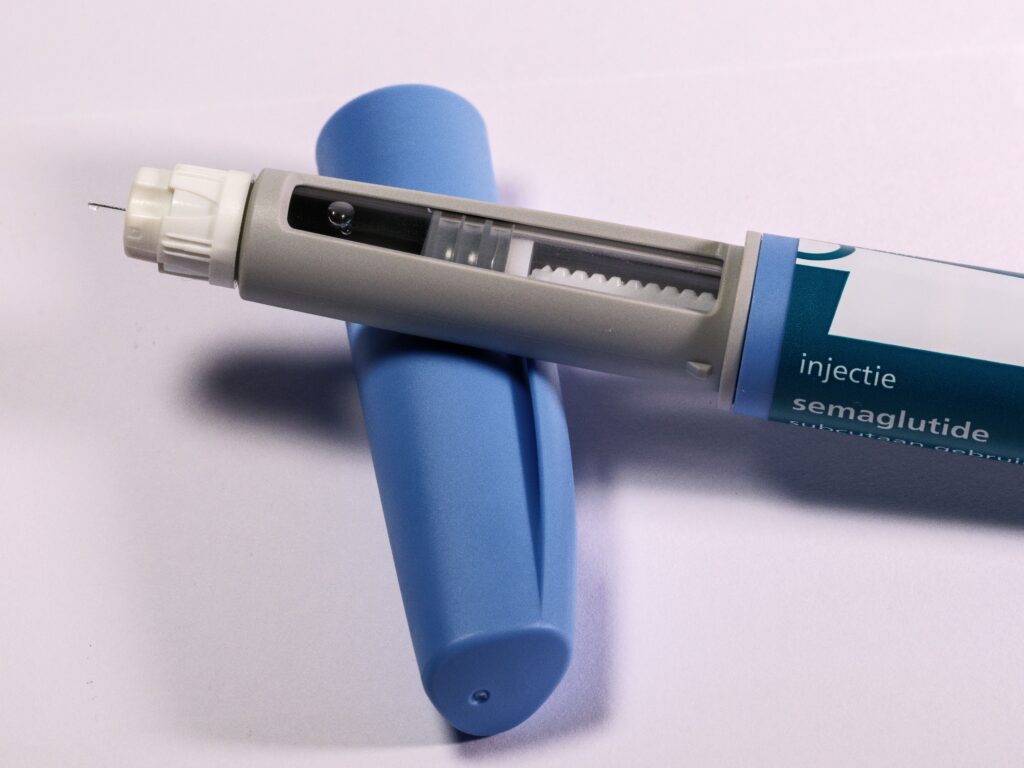
This question deserves more nuance than social media often gives it. GLP-1 medications promote weight loss through mechanisms that can include reducing appetite, increasing satiety, and influencing gastrointestinal and metabolic processes. When substantial weight loss occurs, some reduction in lean mass is not unexpected.
That phenomenon isn’t exclusive to GLP-1 treatment. Lean mass can also decline during weight loss achieved through calorie restriction and bariatric surgery. So, I wouldn’t frame the issue as: “GLP-1s eat your muscle.” That’s unnecessarily frightening and scientifically oversimplified.
A better question is:
“If I’m losing a significant amount of weight, what can I do to support my muscle and physical function while I’m doing it?”
That’s where women have something practical to work with.
Why This Conversation Matters More After 40
Muscle preservation matters throughout adulthood, but midlife gives women additional reasons to pay attention. Muscle mass and strength tend to decline with aging. Menopause also occurs during this same general season of life, alongside hormonal and body composition changes. Meanwhile, many women are intentionally trying to lose weight.
Put those pieces together: aging + menopause transition + intentional weight loss + potentially significant appetite suppression and protecting muscle deserves a place in the plan.
This isn’t about trying to become a bodybuilder. Muscle helps you do ordinary things. Such as:
- Get out of a chair.
- Carry groceries.
- Climb stairs.
- Lift luggage.
- Walk through an airport.
- Maintain balance.
- Get down onto the floor and back up.
- Remain physically independent as you get older.
Those things may not seem nearly as exciting as seeing another five pounds disappear from the scale. But eventually, they may matter much more.
Appetite Suppression Can Create a Nutrition Challenge
One of the benefits many people experience with GLP-1 treatment is reduced appetite. But there’s an important difference between: not feeling hungry and not needing nourishment. Your body still requires nutrients even when your appetite is dramatically reduced.
Some women may find themselves skipping meals, taking only a few bites, or realizing at the end of the day that they’ve eaten very little. If total food intake decreases substantially, meeting nutritional needs can become more challenging. That’s why the goal shouldn’t simply become: “Eat as little as possible so I lose as fast as possible.”
Food quality still matters.
A balanced eating pattern should provide appropriate amounts of protein, fiber-rich foods, fruits and vegetables, healthy fats, carbohydrates as appropriate for the individual, vitamins, minerals, and fluids. Your exact needs depend on your health, activity, body size, goals, medications, and other factors.
Yes, We Need to Talk About Protein… But Protein Isn’t the Whole Answer
Protein gets a lot of attention in the GLP-1 conversation. There’s a reason. Protein provides amino acids necessary for building and maintaining body tissues, including skeletal muscle. When you’re eating considerably less food, being intentional about nutrient dense protein sources can help you meet your needs without requiring enormous meals. Depending on individual dietary preferences and health needs, protein sources might include:
- Fish and seafood
- Poultry
- Lean meats
- Eggs
- Greek yogurt or cottage cheese
- Beans and lentils
- Soy foods
- Nuts and seeds
- Other appropriate protein-rich foods
But I don’t want women walking away believing: “If I drink enough protein shakes, my muscle is protected.” Nutrition is only part of the picture. Muscle also needs a reason to remain useful. That’s where resistance exercise enters the conversation.
Strength Training May Be One of the Most Important Habits You Build
Walking is excellent. Cardiovascular exercise matters. Keep moving. But if your entire weight-loss exercise plan consists of trying to burn more calories, it’s worth broadening your goal.
Resistance exercise challenges your muscles. That might involve:
- Dumbbells
- Resistance bands
- Weight machines
- Body-weight exercises
- Appropriately modified resistance exercises
Federal physical activity guidelines recommend adults perform muscle strengthening activities involving the major muscle groups on at least two days each week, in addition to aerobic activity.
If you’ve never strength trained, that doesn’t mean you need an elaborate gym routine tomorrow. Start appropriately for your current fitness and health. And if you have medical conditions, significant physical limitations, recent surgery, or concerns about exercising safely, discuss your plan with an appropriate healthcare professional. The goal isn’t punishment. It’s preservation.
Don’t Chase the Fastest Possible Weight Loss
I understand why rapid weight loss feels rewarding. We’ve been conditioned to celebrate big numbers.
- “Twenty pounds in a month!”
- “Fifty pounds down!”
- “Down six sizes!”
But faster isn’t automatically better. The goal of obesity treatment isn’t to see how quickly we can make someone’s body smaller. The larger goal is improved health. And that includes considering nutritional adequacy, physical function, metabolic health, strength, quality of life, and whether the approach is sustainable.
If appetite suppression is so significant that you’re struggling to eat, hydrate, or meet nutritional needs, that’s something to discuss with your healthcare team. And never increase, decrease, stop, or otherwise change your GLP-1 medication on your own in an attempt to manipulate the speed of weight loss.
The Scale Can’t Tell You Whether You’re Stronger
Imagine two scenarios. In the first, you lose another five pounds but become weaker, exhausted, poorly nourished, and less physically capable. In the second, the scale moves more slowly, but you’re eating better, getting stronger, improving your stamina, and developing habits you can maintain.
Which represents better progress? That’s why women need more than one measurement. Depending on your situation, you might also monitor:
- Waist circumference
- Strength or resistance-training progress
- Walking endurance
- Energy and physical function
- How clothing fits
- Blood pressure
- Blood glucose or A1C when relevant
- Lipid levels when relevant
- Other health markers recommended by your healthcare professional
You don’t need to become obsessed with tracking everything. But you do need to remember:
The scale tells you how much you weigh. It doesn’t tell you everything about your health.
Menopause, Muscle and GLP-1 Weight Loss
For women in perimenopause or menopause, weight management can feel particularly complicated. Changes in estrogen are associated with changes in body composition and fat distribution, while aging itself contributes to changes in muscle mass and strength.
Sleep disruption, hot flashes, stress, caregiving responsibilities, work demands, reduced activity, and years of dieting may be occurring at the same time. That’s one reason I don’t believe women over 40 need another generic instruction to simply: “Eat less and move more.”
We need a strategy appropriate for the body and life we’re living in now. GLP-1 medication can be one part of that strategy. But it isn’t the entire strategy.
Are You Losing Too Much Muscle?
This isn’t something you can determine simply by looking at your bathroom scale. Body composition tools such as DXA and other methods can estimate lean and fat mass, although each method has advantages and limitations. But you can also pay attention to function. Ask yourself:
- Am I becoming noticeably weaker?
- Are everyday activities becoming more difficult rather than easier?
- Am I eating so little that I struggle to meet basic nutritional needs?
- Have I incorporated any form of resistance exercise?
- Am I discussing my nutrition and weight-loss progress with my healthcare team?
If you’re concerned about significant weakness, nutritional deficiencies, or rapid or excessive weight loss, talk with your healthcare professional.
What Women Taking GLP-1s Can Do to Support Muscle
You don’t need a complicated ‘anti’ muscle loss protocol. Start with the fundamentals.
1. Don’t make extreme restriction the goal.
Appetite suppression isn’t a competition to see who can survive on the least food.
2. Prioritize nutritional quality.
When you’re eating smaller portions, the nutritional value of those portions becomes especially important.
3. Include adequate protein.
Your individual protein needs should account for your health, activity, goals, and medical conditions.
4. Add resistance exercise.
Give your muscles an appropriate reason to remain strong.
5. Keep moving.
Walking and other physical activity support cardiovascular health, mobility, and overall wellness.
6. Pay attention to function not just weight.
Strength and physical ability deserve a place alongside the scale.
7. Work with your healthcare team.
Medication management, significant nutrition concerns, unusual weakness, and other medical issues belong in that conversation.
The FRESH Approach: Don’t Just Lose… Build
This is where GLP-1 lifestyle support fits naturally into the FRESH Start Framework at Ample Health & Wellness:
Food & Foundations: Nourish the body you’re asking to lose weight. Think beyond calories toward protein, fiber, hydration, micronutrients, and overall dietary quality.
Rewire Mindset: Stop assuming faster and smaller automatically mean healthier.
Elevate Habits: Develop sustainable movement, resistance-training, meal, sleep, and recovery habits while medication is providing additional support.
Simplify Environment: Make nutritious foods accessible and create realistic opportunities for movement and strength work in your everyday life.
Honor Whole Health: Look beyond weight. Muscle, mobility, metabolic health, emotional wellness, sleep, strength, confidence, and quality of life matter too.
That’s the bigger goal. Don’t simply ask what you’re losing. Ask what you’re building.
Your GLP-1 Journey Should Be About More Than Becoming Smaller
GLP-1 medications have given many people another effective treatment option for obesity and weight management. That matters. But I don’t want women over 40 becoming so focused on making the number smaller that we forget about the body we’ll need for the decades ahead.
- You want muscle.
- You want strength.
- You want mobility.
- You want enough nourishment to support your health.
And ideally, you want habits that don’t disappear simply because your medication changes someday. So, celebrate your progress. Celebrate the pounds you’ve lost if that’s meaningful to you. But every once in a while, ask yourself another question:
Am I becoming stronger and healthier while I’m becoming lighter?
Because successful weight management after 40 isn’t only about knowing what you want to lose. It’s also about knowing what you want to keep.
Ready for More Than Another Weight-Loss Plan?
If you’ve spent years cycling through diets, plans, medications, and starting over, you may be ready for a different kind of approach.

FRESH Start Holistic Weight Loss
FRESH Start from Ample Health & Wellness is designed for women over 40 who want to move beyond another temporary diet and build a sustainable approach to weight management and whole-person health.
Together, the FRESH Start approach considers food, mindset, habits, environment, and whole health because your wellness strategy should support the life you’re trying to build, not simply the number you’re trying to reach.
Continue Your Wellness Journey
For weekly conversations about GLP-1 lifestyle support, menopause, metabolic health, nutrition, sustainable weight management, sleep, stress, and wellness after 40, join Ample Wellness Weekly.
Frequently Asked Questions
Do GLP-1 medications cause muscle loss?
Weight loss during GLP-1 treatment can include reductions in both fat mass and lean mass. However, lean mass isn’t identical to skeletal muscle, and loss of lean tissue can also occur with weight loss achieved through other methods. The goal is to support nutrition, physical activity, and muscle preservation during treatment.
How can I protect muscle while losing weight on a GLP-1?
Adequate nutrition (including appropriate protein intake) combined with resistance exercise and regular physical activity can support muscle health. Individual recommendations should be tailored to your health, ability, and medical conditions.
How much protein should I eat while taking a GLP-1?
There isn’t one protein target appropriate for every person. Needs vary based on age, body size, health conditions, physical activity, weight-loss goals, kidney function, and other factors. A registered dietitian or qualified healthcare professional can help determine an appropriate target.
Should women over 40 strength train while taking a GLP-1?
Resistance exercise can be an important part of supporting muscle mass, strength, and physical function during weight loss. Exercise should be appropriate for your current health and physical abilities.
Should I stop my GLP-1 if I’m worried about muscle loss?
Do not stop or change a prescription medication without discussing it with your prescriber. Concerns about muscle, nutrition, weakness, side effects, or weight-loss rate should be discussed with your healthcare team.
👩🏾⚕️About the Author
Dr. Kisha Pickford, DNP, ACNP-BC is a board-certified nurse practitioner, holistic nutrition weight loss coach, and GLP-1 lifestyle integration coach. Through Ample Health & Wellness, she helps women over 40 build sustainable, evidence-informed habits that support weight management, metabolic wellness, and whole-person health.
📚References
- Wilding JPH, Batterham RL, Calanna S, et al. Once-Weekly Semaglutide in Adults with Overweight or Obesity. New England Journal of Medicine. 2021;384:989–1002.
- Jastreboff AM, Aronne LJ, Ahmad NN, et al. Tirzepatide Once Weekly for the Treatment of Obesity. New England Journal of Medicine. 2022;387:205–216.
- U.S. Department of Health and Human Services. Physical Activity Guidelines for Americans, 2nd Edition. Washington, DC: U.S. Department of Health and Human Services; 2018.
- National Institute on Aging. How Can Strength Training Build Healthier Bodies as We Age? National Institutes of Health.
- Cruz-Jentoft AJ, Sayer AA. Sarcopenia. The Lancet. 2019;393(10191):2636–2646.
🩺Medical Disclaimer
This article is for educational and informational purposes only and is not intended to diagnose, treat, cure, or prevent disease or replace individualized medical advice. GLP-1 medications are prescription medications and should be used under the supervision of a qualified healthcare professional. Do not start, stop, or change the dose of any medication without consulting your prescribing healthcare professional. Nutrition and exercise recommendations should be individualized based on your health and medical history.