Contact Us: (901) 675-6125


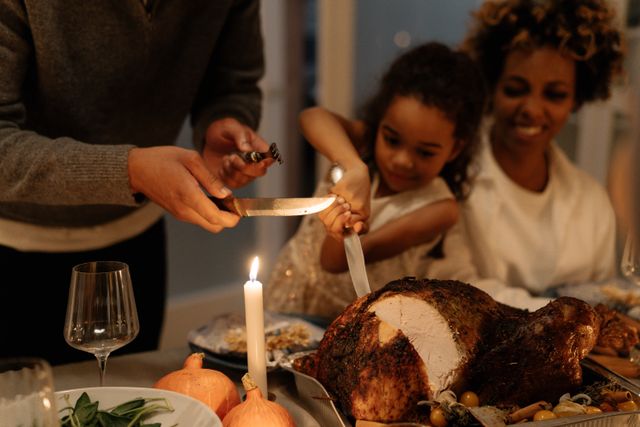
Thanksgiving is a time for gathering, celebrating, sharing traditions, and enjoying some of our favorite foods. But for many women over 40, the holiday season can also bring stress, exhaustion, disrupted routines, and concerns about maintaining healthy habits. If you’re working toward better metabolic health, managing your weight, navigating menopause, or using GLP-1 medications, you might already be wondering how to enjoy Thanksgiving without feeling like you’re undoing your progress. Here’s something I want you to remember:
Your health is about so much more than what you eat at Thanksgiving dinner.
At Ample Health & Wellness, I encourage women to look at the bigger picture. Nutrition matters, but so do sleep, movement, emotional well-being, stress management, and meaningful connections. This Thanksgiving, let’s focus on caring for the whole woman, not just managing what’s on her plate.
1. Enjoy Your Thanksgiving Meal Without Food Guilt
Let’s start with something important. You can enjoy Thanksgiving dinner and still be committed to your health. Traditional holiday foods are often connected to family memories, culture, and meaningful celebrations. Food is nourishment, but it is also part of how we connect with one another. Instead of approaching Thanksgiving with a list of foods you cannot eat, consider a more balanced approach.
- Choose foods you genuinely enjoy rather than eating everything simply because it’s available.
- Include protein and vegetables alongside your favorite traditional dishes.
- Eat slowly enough to recognize when you’re comfortably satisfied.
- Give yourself permission to enjoy dessert without labeling the day a failure.
One meal doesn’t determine your overall health. What matters more is the pattern of choices you make over weeks, months, and years.
Ample Wellness Tip: You don’t need to skip breakfast or starve yourself before Thanksgiving dinner. Eating regular, balanced meals can help you arrive at the table feeling more comfortable and less likely to eat past fullness.
2. Remember That Movement Isn’t Punishment for Eating
Have you ever heard someone say they need to exercise extra hard because of everything they ate during Thanksgiving? Let’s change that conversation. Physical activity isn’t something we do to punish ourselves for enjoying food. We move because movement supports cardiovascular health, muscle strength, blood sugar regulation, mobility, and emotional well-being.
According to the Centers for Disease Control and Prevention (CDC), adults should generally aim for at least 150 minutes of moderate-intensity aerobic activity weekly, along with muscle-strengthening activities on at least two days. But Thanksgiving Day doesn’t need to become a fitness challenge.
A short walk after dinner, dancing while cooking, or playing outside with the children can all contribute to an active day. For women over 40, maintaining muscle strength becomes increasingly important, especially during menopause and intentional weight loss.
Ample Wellness Tip: Consider taking a comfortable 10–15-minute walk after your meal if your health and mobility allow. Light post-meal activity may help improve post-meal blood glucose responses.
3. Don’t Forget About Hydration
With all the cooking, traveling, visiting, and holiday excitement, drinking water can easily fall to the bottom of the priority list. Even mild dehydration may contribute to headaches, fatigue, and difficulty concentrating. Water supports digestion, temperature regulation, circulation, and other essential body functions.
Try keeping a water bottle nearby while preparing meals or traveling. If plain water isn’t your favorite, add lemon, cucumber, berries, or mint for flavor. And remember, other beverages and water-rich foods can contribute to your daily fluid intake.
Ample Wellness Tip: Drink water regularly throughout the day rather than trying to make up for everything at bedtime. Individual fluid needs vary, especially for people with medical conditions requiring fluid restrictions.

4. Protect Your Peace and Manage Holiday Stress
Thanksgiving can be joyful, but it can also be stressful. Maybe you’re preparing dinner for a large family. Maybe you’re traveling. Maybe you’re balancing work, caregiving responsibilities, financial concerns, and family expectations. For some women, the holidays bring complicated relationships or memories of loved ones who are no longer here.
All of these experiences can affect emotional well-being. When stress becomes chronic, it can influence sleep, appetite, blood pressure, and other aspects of health. That’s why stress management deserves a place in your Thanksgiving wellness plan. Give yourself permission to delegate responsibilities, establish reasonable boundaries, and take a break when you need one. You don’t have to attend every gathering, prepare every dish, or solve every family problem.
Ample Wellness Tip: Take five minutes for yourself during the day. Practice slow breathing, step outside for fresh air, or sit quietly without your phone. Resting isn’t a sign that you aren’t doing enough. It’s part of caring for yourself.
5. Prioritize Sleep, Even During the Holidays
Sleep is often one of the first things we sacrifice when life gets busy. We stay up late preparing food, wake up early to cook, travel long distances, and sometimes spend the entire day entertaining others. But adequate sleep plays an important role in overall wellness.
Poor sleep can affect mood, concentration, appetite regulation, and glucose metabolism. Most adults need at least seven hours of sleep each night, according to CDC guidance. For women navigating perimenopause or menopause, sleep may already be challenging because of symptoms such as hot flashes and night sweats. Try not to make the holiday season even harder on your body by repeatedly sacrificing rest.
Ample Wellness Tip: Prepare what you can ahead of time, share the workload, and maintain a reasonably consistent bedtime when possible. And if you’re experiencing persistent fatigue or poor sleep, don’t automatically assume it’s just aging. Those symptoms may deserve further evaluation.
6. A Special Thanksgiving Reminder for Women Using GLP-1 Medications
If you’re using a GLP-1 medication as part of your weight management plan, Thanksgiving may require a little extra attention to how your body responds to food. Medications such as semaglutide and tirzepatide can slow gastric emptying and increase feelings of fullness. Some people experience nausea, bloating, reflux, or other gastrointestinal symptoms.
Large meals, especially those high in fat, may make these symptoms more uncomfortable. Here are a few strategies that may help:
- Start with smaller portions and eat slowly.
- Pay attention to early fullness signals.
- Avoid forcing yourself to finish food when you’re already satisfied.
- Stay hydrated throughout the day.
- Follow your prescribing clinician’s instructions regarding your medication.
And please don’t independently skip, change, or adjust your medication dose simply because it’s Thanksgiving. As a nurse practitioner and someone continuing my own medical weight loss journey, I understand that learning how to eat comfortably while using these medications can take time. The goal isn’t to avoid celebrating. It’s to enjoy the occasion while respecting what your body needs.
Ample Wellness Tip: If you develop severe or persistent abdominal pain, repeated vomiting, or an inability to keep fluids down, seek prompt medical evaluation rather than assuming it’s a normal medication side effect.
7. Practice Gratitude Without Ignoring Your Own Needs
Thanksgiving naturally encourages us to reflect on what we’re grateful for. And gratitude can be a meaningful part of emotional wellness. But being thankful doesn’t mean you have to ignore stress, grief, exhaustion, or difficult emotions.
You can appreciate your family while recognizing that you need boundaries. You can be grateful for your health while acknowledging that you’re still working toward improvement. You can celebrate progress without pretending every day has been easy.
This is especially important for women who spend so much time caring for others that they forget to care for themselves. This Thanksgiving, consider reflecting on three things:
- What has my body helped me accomplish this year?
- What is one healthy habit I’m proud of maintaining?
- What is one way I can show myself more compassion moving forward?
Your answers don’t have to be dramatic. Sometimes being thankful for the strength to get through a difficult season is enough.

Bringing It All Together: The FRESH Approach to Thanksgiving
At Ample Health & Wellness, my FRESH Framework encourages women to build sustainable habits that support their whole-person health. This Thanksgiving, that might look like:
F — Food, Freedom & Foundations: Enjoy nourishing meals and meaningful food traditions without unnecessary guilt.
R — Rewire Your Mindset: Replace all-or-nothing thinking with realistic expectations and self-compassion.
E — Elevate Your Habits: Find simple opportunities to move, hydrate, and support your energy.
S — Simplify Your Routine: Release perfectionism, delegate responsibilities, and focus on what matters most.
H — Honor Your Whole Health: Make room for rest, emotional wellness, relationships, and gratitude.
You don’t need a perfect Thanksgiving to have a healthy Thanksgiving. You need a thoughtful approach that allows you to enjoy the holiday while continuing to care for yourself.
Your Wellness Journey Doesn’t Stop for the Holidays
As Thanksgiving approaches, I want to encourage you to look beyond the scale, the calories, and the pressure to do everything perfectly. Think about how you want to feel.
- Do you want more energy?
- Less stress?
- Better sleep?
- More confidence in your ability to make choices that support your health?
Those goals matter, too. And they don’t have to wait until January. The holidays can be an opportunity to practice the same habits that support your health throughout the year. Eat with intention. Move with gratitude. Rest without guilt. Enjoy your loved ones. And remember to include yourself in the care you’re so willing to give others.
A healthier Thanksgiving isn’t about having the perfect plate. It’s about creating a holiday that nourishes your mind, body, and spirit.
From all of us at Ample Health & Wellness, Happy Thanksgiving! Stay FRESH, stay well, and remember that your health is worth honoring every day.
— Dr. Kisha Pickford, DNP
Founder, Ample Health & Wellness

Ready to Understand Your Wellness Patterns?
If you’ve been struggling with weight management, low energy, inconsistent habits, or feeling unsure about where to begin, the Root Cause Weight Loss & Wellness Audit can help you take a closer look at your nutrition, lifestyle, and wellness patterns. Together, we’ll identify opportunities for realistic changes that support your long-term goals.
📚References
- Centers for Disease Control and Prevention. Adult Activity: An Overview. https://www.cdc.gov/physical-activity-basics/guidelines/adults.html
- Centers for Disease Control and Prevention. About Sleep. https://www.cdc.gov/sleep/about/index.html
- American Diabetes Association. Physical Activity/Exercise and Diabetes: A Position Statement of the American Diabetes Association. Diabetes Care. 2016;39(11):2065–2079. https://doi.org/10.2337/dc16-1728
About the Author: Dr. Kisha Pickford, DNP, ACNP-BC, is a board-certified nurse practitioner, holistic nutrition weight loss coach, and founder of Ample Health & Wellness. She specializes in helping women over 40 uncover the root causes of weight and wellness challenges through evidence-based, personalized strategies that support sustainable health, healthy aging, and whole-body wellness.