Contact Us: (901) 675-6125


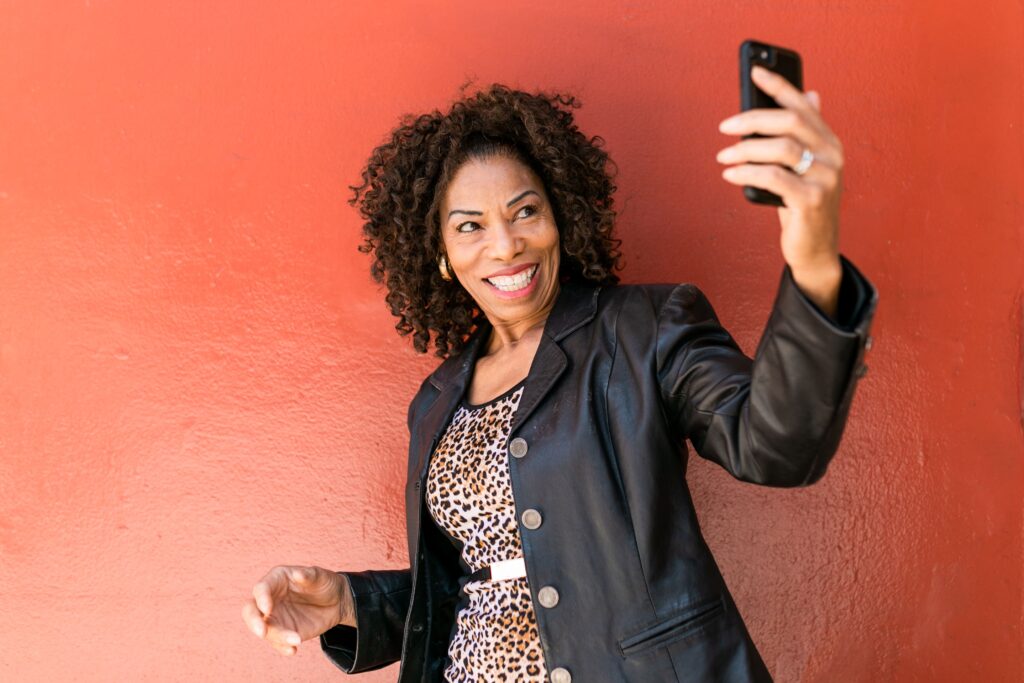
For many women, the conversation about aging begins with everything we’re supposedly going to lose. Our youthful appearance. Our metabolism. Our muscle. Our energy. Our independence. Maybe even our relevance.
We’re bombarded with products and messages designed to help us “fight aging,” “reverse aging,” or somehow convince the world that we’re getting older without actually looking like we’re getting older. But I think women deserve a better conversation about aging.
What if aging well isn’t about trying to become younger? What if it’s about becoming more intentional about the health, strength, independence, confidence, relationships, and quality of life we want to carry into the years ahead?
As a nurse practitioner, a wellness coach, and as a woman navigating midlife myself, I believe this is an important time to stop viewing wellness only through the lens of today’s weight or clothing size. We should also be asking: What am I doing today to take care of the woman I want to be 10, 20, or even 30 years from now? That’s where the art of aging well begins.
Healthy Aging Is About More Than Living Longer
Life expectancy gets plenty of attention, but most of us don’t simply want additional birthdays. We want those years to contain something.
- We want to travel.
- Work if we choose.
- Spend time with people we love.
- Walk through an airport without struggling.
- Get out of a chair independently.
- Carry our groceries.
- Remember important conversations.
- Participate in our communities.
- Enjoy our families.
- Continue learning.
- And make our own decisions for as long as possible.
That’s why I prefer thinking about healthspan alongside lifespan. Healthspan generally refers to the portion of life spent in relatively good health and function. We can’t control every medical condition or predict exactly how we’ll age. Genetics, environment, socioeconomic factors, access to healthcare, accidents, and many other circumstances matter.
Healthy living isn’t a guarantee against disease. But many everyday behaviors can help support function, reduce certain health risks, and give our future selves a stronger foundation.
1. Protect Your Muscle
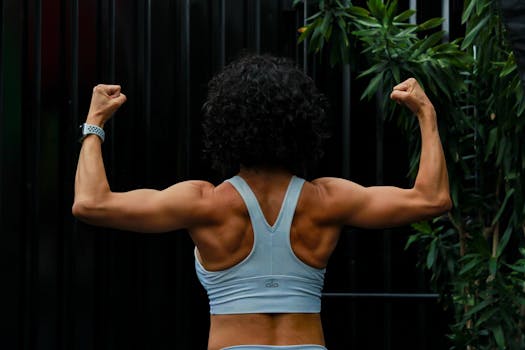
If your exercise goals have always centered around burning calories, midlife is a good time to broaden the conversation. Muscle matters. Adults naturally experience changes in muscle mass and strength with aging, and significant age-related loss of muscle mass and function can contribute to frailty, falls, disability, and loss of independence. That makes resistance exercise particularly valuable.
You don’t have to become a bodybuilder. Strength training can include:
- Free weights
- Resistance bands
- Weight machines
- Body-weight exercises
- Other appropriately challenging resistance activities
The goal is progressive, safe strengthening appropriate for your health and ability. Walking remains excellent for cardiovascular health and everyday movement but walking and resistance training don’t accomplish exactly the same thing. After 40, don’t exercise only because you want a smaller body. Train for the life you want your body to continue performing.
2. Nourish Your Future Body
Midlife is not the time to spend decades chronically under nourishing yourself in pursuit of a smaller number on the scale. Weight management may absolutely be appropriate for some women. But healthy weight loss should still provide the nutrients necessary to support muscle, bone, digestive health, energy, and overall wellness. A balanced eating pattern can include:
- Adequate protein
- Fiber-rich vegetables and fruits
- Beans and legumes
- Whole grains when appropriate
- Nuts and seeds
- Healthy fats
- Adequate hydration
Protein deserves particular attention because it provides amino acids needed for maintaining and repairing body tissues, including muscle. Rather than asking only: “How many calories can I cut?” also ask: “What nutrients does my body need?”
The goal isn’t simply weight loss. It’s protecting health while pursuing it.
3. Pay Attention to Your Bones
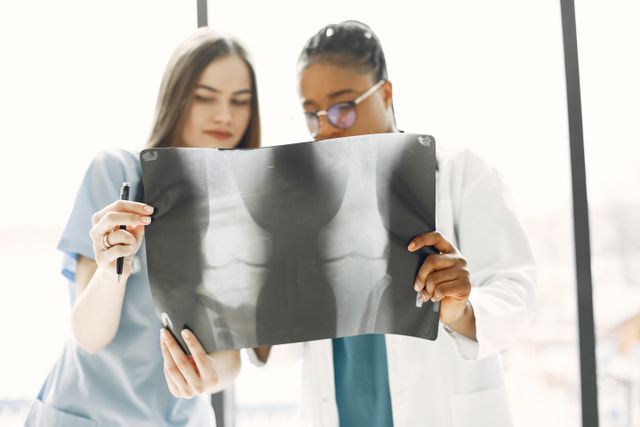
Bone health is easy to ignore because we can’t see what’s happening underneath our skin. But women experience an increased risk of osteoporosis as they age, particularly following menopause. Bone health is influenced by multiple factors, including genetics, hormonal changes, physical activity, nutrition, smoking, alcohol use, medications, medical conditions, and age.
Weight-bearing and muscle-strengthening exercise can help support bone health. Adequate intake of nutrients important for bone health (including calcium and vitamin D) is also important. And screening matters.
Women should talk with their healthcare professionals about when bone density screening is appropriate based on age and individual risk factors. You don’t have to wait for a fracture to start thinking about your bones.
4. Make Sleep Part of Your Longevity Strategy
Sleep is often the first wellness habit sacrificed when life becomes busy. That’s a problem. Adults generally need at least seven hours of sleep regularly, although individual needs vary.
During perimenopause and menopause, sleep can become more difficult because of hot flashes, night sweats, mood changes, stress, medical conditions, sleep disorders, or other factors. Consistently inadequate sleep is associated with numerous health concerns and can also influence appetite, mood, concentration, energy, and your ability to maintain other healthy behaviors. If you’re eating well and exercising but routinely surviving on four or five hours of sleep, don’t dismiss that. Sleep belongs in your wellness plan too.
5. Support Your Brain as Intentionally as Your Body
Healthy aging isn’t only physical. Your cognitive and emotional health matter. Continue giving your brain opportunities to learn and engage.
- Read.
- Take a class.
- Learn technology instead of deciding you’re “too old” for it.
- Try a new hobby.
- Travel.
- Play games.
- Create something.
- Stay curious.
Social engagement also matters. Maintaining meaningful relationships and participating in community activities can support emotional well-being and quality of life. And if you’re struggling emotionally, seek support.
Midlife can bring enormous transitions such as menopause, career changes, caregiving, grief, changing relationships, children leaving home, financial concerns, and questions about identity and purpose. You don’t have to pretend every stage of aging feels wonderful. Taking care of your emotional health is part of aging well.
6. Know Your Numbers but Don’t Become Your Numbers
Preventive healthcare gives us opportunities to identify certain health concerns before they become larger problems. Depending on your age, history, and individual risk factors, conversations with your healthcare professional may include:
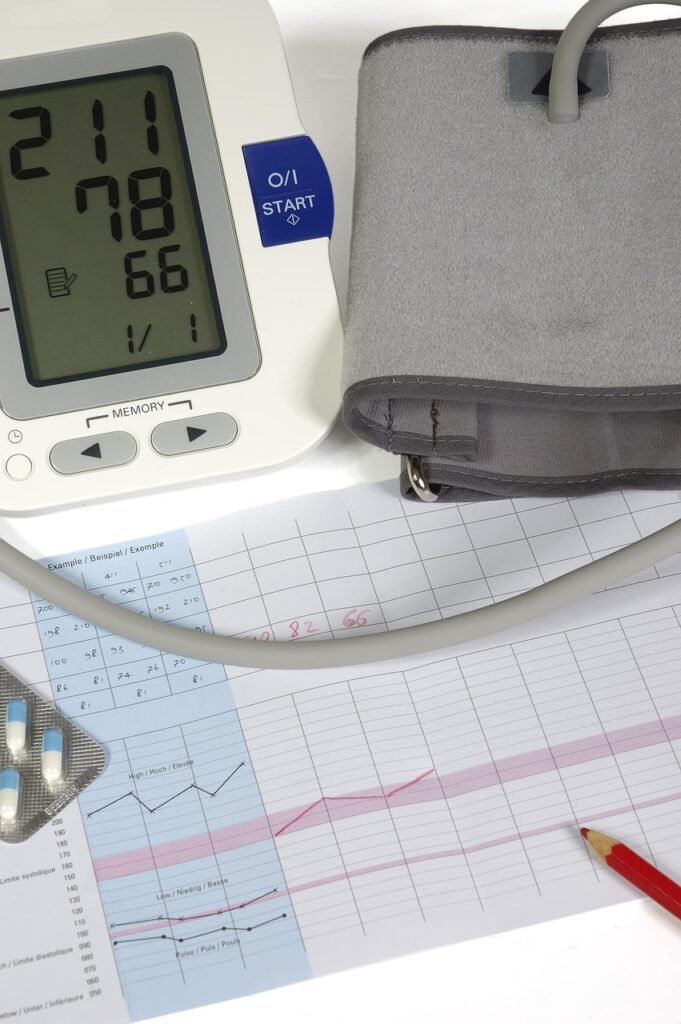
- Blood pressure
- Cholesterol
- Blood glucose or diabetes screening
- Breast cancer screening
- Cervical cancer screening when appropriate
- Colorectal cancer screening
- Bone-density screening
- Vaccinations
- Vision and hearing
- Mental health
- Menopause symptoms and treatment options
Know what’s recommended for you. And at the same time, remember that you are more than your laboratory values, weight, BMI, blood pressure, or age. Numbers provide information. They don’t define your worth.
7. Build a Life That Gives You a Reason to Stay Engaged
This may be one of my favorite parts of the healthy-aging conversation. Sometimes wellness becomes so clinical that we forget we’re talking about someone’s life. What’s the point of caring for your body if you never think about what you want to do with it? Purpose can look different for every woman.
- Maybe it’s family.
- Faith.
- Travel.
- Career.
- Volunteering.
- Mentoring younger women.
- Building a business.
- Creating art.
- Gardening.
- Learning.
- Friendship.
- Serving your community.
Or simply having enough health and independence to enjoy your days on your own terms. A healthy-aging plan should include more than medical appointments and vegetables. We’re building a life not simply managing a body.
8. Stop Treating Stress as Something You Should Simply Endure
Women can become exceptionally good at carrying things. Work. Family. Finances. Caregiving. Relationships. Everyone else’s problems. And sometimes we wear our ability to endure chronic stress like a badge of honor.
Stress is part of life, and eliminating it completely isn’t realistic. But developing ways to manage it matters. That might include:
- Prayer or spiritual practices
- Physical activity
- Journaling
- Meditation or breathing exercises
- Time outdoors
- Counseling
- Setting boundaries
- Meaningful hobbies
- Social support
- Rest
You don’t have to earn recovery by completely exhausting yourself first.
9. Let Go of the Myth That It’s “Too Late”
One of the most damaging beliefs about aging is that after a certain age, change no longer matters.
- “I’m already 50.”
- “I’m already 60.”
- “I’ve never exercised.
- “I’ve eaten this way my entire life.”
- “What’s the point now?”
The point is that today is still part of your life. You may not be able to change everything that happened before today. But you can influence what happens next. Starting later is still starting.
Ten minutes of movement is still movement. One balanced meal is still nourishment. One overdue screening finally scheduled is still preventive care. One boundary is still a boundary. You don’t have to recreate your entire life to begin caring for yourself differently.
10. Redefine What It Means to Age Gracefully
Aging gracefully doesn’t have to mean quietly accepting every change without question. And it certainly doesn’t mean giving up. To me, aging with grace means becoming more intentional. Learning what your body needs now. Adjusting when something no longer serves you. Seeking appropriate healthcare. Maintaining strength. Nourishing yourself. Protecting your peace. Staying connected. Remaining curious. And giving yourself permission to continue becoming someone new. You are not required to spend the second half of your life trying to recreate the first.
The FRESH Approach to Healthy Aging
Healthy aging fits naturally within the FRESH Start Framework I use at Ample Health & Wellness.
- Food & Foundations: Nourish your changing body with foods and health practices that support strength, bone health, metabolic wellness, and energy.
- Rewire Mindset: Challenge beliefs that tell you aging means decline, invisibility, or that it’s too late to change.
- Elevate Habits: Build sustainable routines around movement, sleep, preventive care, stress management, and everyday wellness.
- Simplify Environment: Create surroundings and systems that make caring for yourself easier rather than relying on motivation alone.
- Honor Whole Health: Remember that physical, emotional, social, spiritual, and cognitive wellness all deserve a place in your health plan.
That’s the kind of aging conversation I want women to have.
Ready to Be More Intentional About the Years Ahead?
If you’ve reached a point where you’re thinking more seriously about how you want to feel, function, and live as you age, I’ve created a resource specifically for that season.
Age With Grace: The Art of Aging for Women
Age With Grace: The Art of Aging for Women is a self-paced wellness program from Ample Health & Wellness designed to help women take a more intentional, whole-person approach to aging. Rather than focusing only on appearance or weight, the program encourages you to consider multiple dimensions of wellness and the habits that can support your health and quality of life in the years ahead.
You can move through the material at your own pace and use it as an opportunity to reflect on where you are now and where you’d like to go next.
You Don’t Need to Fear Your Next Chapter
There are things about aging none of us can control. There will be changes we didn’t request. There may be health challenges we didn’t expect. And there will probably be days when we look in the mirror and wonder when exactly that happened. 😊 But getting older is not the same thing as becoming less valuable.
Your next decade can contain new knowledge, deeper relationships, stronger boundaries, greater confidence, meaningful work, adventure, peace, purpose, and yes — better health habits. You don’t have to age perfectly. You don’t have to fight every wrinkle. And you don’t have to become the woman you were at 25 again.
Take care of the woman you are today. And start preparing for the woman you’re still becoming. That’s the art of aging with grace.
Continue Your Wellness Journey
For more practical, evidence-informed conversations about healthy aging, nutrition, metabolic health, weight management, menopause, sleep, stress, and whole-person wellness after 40, join Wellness Weekly from Ample Health & Wellness. We’ll keep learning, growing, and figuring out this next chapter together.
👩🏾⚕️About the Author
Dr. Kisha Pickford, DNP, is a board-certified nurse practitioner and holistic nutrition weight loss coach at Ample Health & Wellness. She helps women over 40 achieve sustainable weight loss and whole-body wellness through holistic, evidence-based coaching.
📚References
- National Institute on Aging. What Do We Know About Healthy Aging? National Institutes of Health.
- Centers for Disease Control and Prevention. Older Adult Activity: An Overview.
- U.S. Preventive Services Task Force. Osteoporosis to Prevent Fractures: Screening.
- American Academy of Sleep Medicine and Sleep Research Society. Recommended Amount of Sleep for a Healthy Adult: A Joint Consensus Recommendation. Journal of Clinical Sleep Medicine. 2015;11(6):591–592.
- U.S. Preventive Services Task Force.
⚕️Medical Disclaimer
This article is provided for educational and informational purposes only and is not intended to diagnose, treat, cure, or prevent disease or replace individualized medical advice. Screening, nutrition, exercise, and other healthcare recommendations should be individualized based on your health history and discussed with your healthcare professional.