Contact Us: (901) 675-6125



February is recognized as American Heart Month, a time dedicated to raising awareness about cardiovascular health and preventing heart disease. While heart health is often discussed in terms of cholesterol numbers or blood pressure readings, the reality for women over 40 is much more complex. Heart health in midlife is influenced by hormones, stress, sleep, movement, nutrition, and how the body responds to everyday demands. Understanding these connections can help women take meaningful steps to protect their hearts without fear, overwhelm, or perfection.
Why Heart Health Deserves Attention After 40
Heart disease remains the leading cause of death for both men and women in the United States. Yet many women don’t realize their risk until later in life, often because early signs are subtle or dismissed as stress, fatigue, or aging. After 40, hormonal changes, particularly shifts in estrogen, can affect blood vessels, cholesterol patterns, inflammation, and how the body handles stress. These changes don’t mean heart disease is inevitable, but they do mean the heart needs more intentional support. Midlife is often when lifestyle factors quietly accumulate. Long-term stress, disrupted sleep, limited movement, and inconsistent nourishment can all influence cardiovascular health over time.
Heart Health Is More Than Cholesterol
When heart health is discussed, the focus is often on numbers: cholesterol, blood pressure, blood sugar, or body weight. While these markers are important, they don’t tell the full story, especially for women. Heart health is also affected by:
- Chronic stress and elevated cortisol
- Inflammation
- Sleep quality and recovery
- Insulin sensitivity
- Physical activity levels
- Emotional and mental health
Many women have “normal” lab results yet still feel exhausted, short of breath, or run down. These symptoms are worth paying attention to. Heart health isn’t just about preventing disease …it’s about supporting energy, resilience, and quality of life.
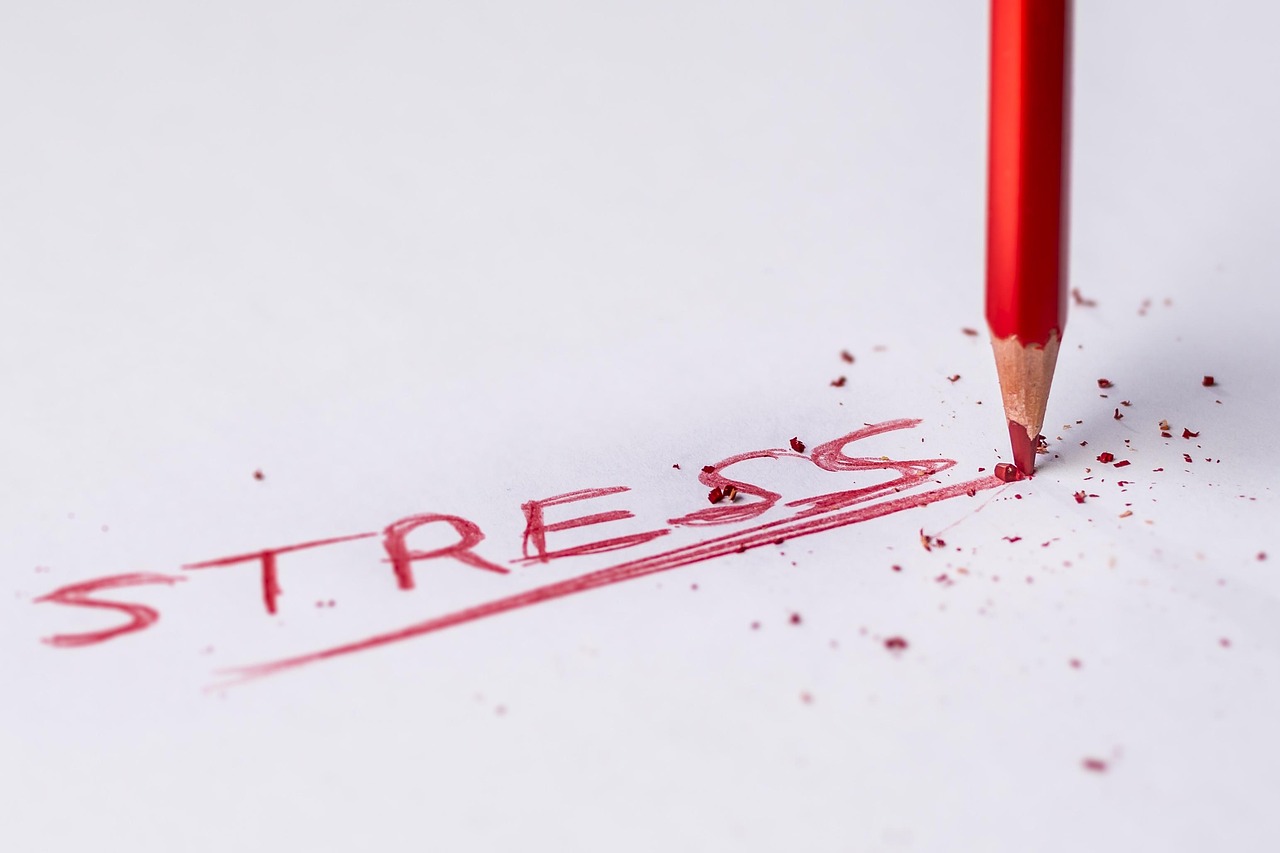
The Role of Stress and the Heart
One of the most significant and overlooked contributors to heart health is stress. Chronic stress can increase blood pressure, disrupt sleep, and promote inflammation, all of which place additional strain on the cardiovascular system.
For women over 40, stress often comes from multiple directions: careers, caregiving, family responsibilities, financial concerns, and emotional labor. When stress becomes constant, the body remains in a heightened state that makes recovery harder.
Supporting heart health means addressing stress realistically (not eliminating it) but learning how to regulate it. Simple practices like consistent sleep routines, mindful breathing, movement, and boundaries around rest play a meaningful role in long-term heart health.
Weight, Metabolism, and Heart Health
Weight is often discussed as a heart health risk factor, but the relationship is not as simple as “lose weight to protect your heart.” Metabolic health, inflammation, and lifestyle habits matter just as much, if not more, than the number on the scale.
For women over 40, hormonal shifts can affect how weight is gained or lost and how the body responds to traditional diet and exercise approaches. This is why extreme dieting or overexercising can backfire, increasing stress and harming overall health. A sustainable approach that supports metabolism, muscle mass, and hormonal balance is more protective for the heart than short-term weight loss alone.
Nutrition That Supports the Heart Without Dieting
Heart supportive nutrition doesn’t require restriction or perfection. Instead, it focuses on consistency and nourishment. Key principles include:
- Adequate protein to support muscle and metabolic health
- Fiber-rich foods such as vegetables, fruits, beans, and whole grains
- Healthy fats like olive oil, nuts, seeds, and fatty fish
- Balanced meals that support blood sugar stability
Eating in a way that reduces inflammation and supports energy helps protect both the heart and overall wellbeing.

Movement and the Midlife Heart
Physical activity is one of the most powerful tools for heart health, but it doesn’t have to look extreme. For women over 40, movement should support strength, endurance, and recovery. Walking, resistance training, gentle cardio, stretching, and mobility work all contribute to cardiovascular health. The goal is consistency, not intensity. Movement that feels supportive is far more sustainable and protective over time.
GLP-1 Medications and Heart Health
For women using GLP-1 medications for weight loss, heart health remains an important part of the conversation. While these medications may support weight loss or metabolic health, they do not replace the need for balanced nutrition, movement, sleep, and stress management. Heart health is shaped by daily habits and long-term patterns. Medication can be one tool, but it works best when paired with a whole-health approach that supports the body as a system.
A Whole-Health Approach to Heart Health
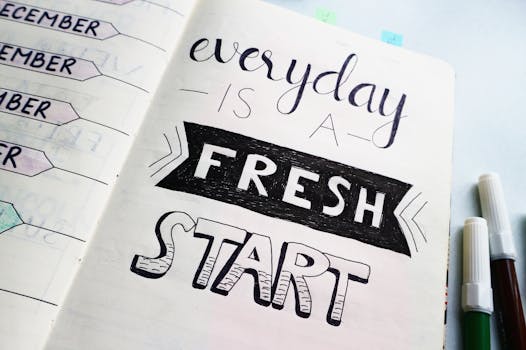
At Ample Health & Wellness, heart health is viewed through a whole-person lens. Nutrition, movement, mindset, stress, and hormones are interconnected and supporting one area strengthens the others. The FRESH Start Framework emphasizes:
- Nourishing foundations
- Sustainable habits
- Stress awareness
- Movement that supports longevity
- Honoring whole-body health
This approach supports heart health not just during Heart Health Month, but throughout life.
Moving Forward with Awareness and Not Fear
Heart Health Month is not about creating anxiety or pressure. It’s about awareness, education, and empowerment. Small, consistent choices made over time have a powerful impact on heart health and overall wellbeing. If you’re over 40 and thinking more intentionally about your health, this is a meaningful place to start with curiosity, compassion, and support. Your heart works hard for you every day. Supporting it is one of the most valuable investments you can make in your future.

About the Author: Dr. Kisha Pickford, DNP, is a board-certified nurse practitioner and holistic nutrition weight loss coach at Ample Health & Wellness. She helps women over 40 achieve sustainable weight loss and whole-body wellness through holistic, evidence-based coaching.