Contact Us: (901) 675-6125


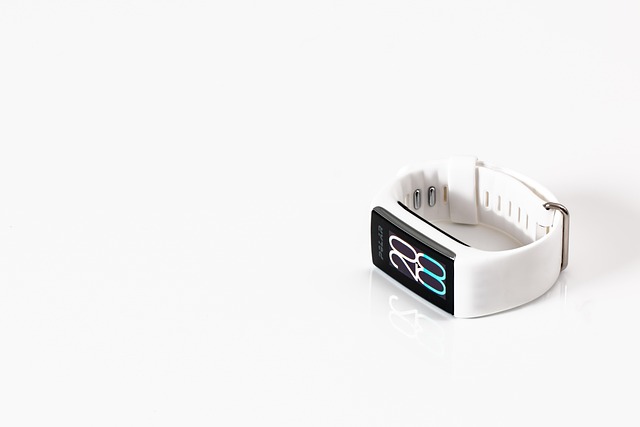
In a previous post, we shared a quick overview comparing Helio Strap, WHOOP, and Oura for women over 40 (click here to read previous post). Since then, I’ve heard from many women asking for a deeper breakdown, especially how these devices fit into real life during midlife, when sleep, stress, hormones, and weight management all start to matter more.
This follow-up post takes a deeper look at how each wearable fits real-life wellness needs and will help women over 40 get a high-level view without information overload. Rather than focusing on specs alone, we’ll explore what these tools actually do, who they’re best for, and how to choose one you’ll use consistently, not just buy and forget.
Disclosure: This article contains affiliate links. We may earn a small commission if you purchase through these links and there is no additional cost to you. These commissions help support the wellness education and resources provided through Ample Health & Wellness.
Quick Comparison Snapshot
| Feature | Helio Strap | WHOOP | Oura |
|---|---|---|---|
| Price | Lower | Higher | Higher |
| Subscription | No | Yes | Yes |
| Sleep Tracking | ✓ | ✓ | ✓ |
| HRV & Recovery | ✓ | ✓ | ✓ |
| EDA Stress Sensor | ✓ | ✓ (newer models) | No |
| Ease of Use | Very simple | Moderate | Simple |
| Best For | Women 40+ seeking clarity | Athletes | All-around wellness |
Bottom line: For many women over 40, Helio Strap stands out for affordability, simplicity, and no monthly cost. Now let’s talk about why these differences matter.
Helio Strap: Best for Simplicity & Consistency
Helio Strap is a strong option for women who want meaningful insights without a subscription or data overwhelm. It tracks sleep, HRV, recovery, and stress while keeping the experience straightforward.
What I appreciate most is that Helio doesn’t demand constant engagement. You can check your trends, notice patterns, and make small adjustments without feeling like you’re training for a competition. For women navigating midlife changes, consistency matters more than complexity. Best for:
- Women 40+ focused on sleep, stress, and habit awareness
- Those who prefer no monthly fees
- Anyone who wants insights without constant notifications
WHOOP: Best for Performance-Driven Users
WHOOP is designed with athletes and high-performance users in mind. It offers detailed recovery scores, strain metrics, and deep analytics — paired with a required subscription.
For some women, this level of data is motivating. For others, it can feel like too much to manage, especially during busy seasons of life. WHOOP shines when performance optimization is the goal, but it assumes you want to actively interpret and respond to daily metrics. Best for:
- Athletes or highly data-driven users
- Those who enjoy detailed performance tracking
- Users comfortable with ongoing subscriptions
Oura Ring: Best for Lifestyle Wellness
Oura Ring offers a sleek ring design and strong sleep insights, along with readiness and activity scores. It’s popular for everyday wellness tracking and integrates easily into daily routines.
Oura is a solid middle ground (less intense than WHOOP, more lifestyle-focused) but it still requires a subscription. While it provides helpful sleep data, it offers less direct stress sensing compared to devices with EDA tracking. Best for:
- Women who want a discreet wearable
- Those focused on sleep and general wellness
- Users comfortable with a subscription model
The Coaching Lens: Why the “Best” Tracker Is Personal
Here’s what matters most and what I see every day in coaching: data only helps if you know what to do with it. Many women over 40 aren’t struggling because they lack information or they’re overwhelmed by it.
The right tracker should support your life, not add pressure. For some, that means detailed performance metrics. For others, it means gentle awareness — sleep trends, stress signals, and recovery patterns that guide better choices over time. This is where coaching makes the difference. Understanding how sleep, stress, hormones, and habits intersect is what turns tracking into transformation.
Explore the wearable that fits your lifestyle →
Final Ample Thoughts
The best wearable isn’t the most expensive or the most popular. It’s the one you’ll actually use consistently. For many women over 40, that means simplicity, clarity, and support rather than constant optimization.
If you’re exploring tools like these as part of a larger wellness or weight management journey, remember: the tracker is just a tool. The real progress comes from understanding your body and building sustainable habits around the data.
Ready for Support Beyond the Tracker?
This article is for educational purposes only and does not replace medical advice.
About the Author: Dr. Kisha Pickford, DNP, is a board-certified nurse practitioner and holistic nutrition weight loss coach at Ample Health & Wellness. She helps women over 40 achieve sustainable weight loss and whole-body wellness through holistic, evidence-based coaching.