Contact Us: (901) 675-6125



For many women over 40, weight gain, fatigue, and brain fog feel frustratingly familiar. You’re eating better, trying to move more, and doing what you’ve always done. Yet nothing seems to work the same way anymore. While aging and hormonal shifts play a role, an often-overlooked contributor is thyroid function. A sluggish or underactive thyroid can quietly slow metabolism, drain energy, and make weight loss feel nearly impossible.
The thyroid is a small, butterfly-shaped gland in the neck, but its impact on the body is enormous. It regulates metabolism, energy production, temperature, digestion, and even mood. When thyroid hormones are low, nearly every system in the body slows down. For women entering perimenopause or menopause, thyroid issues can be harder to detect because symptoms often overlap with hormonal changes, stress, or burnout.
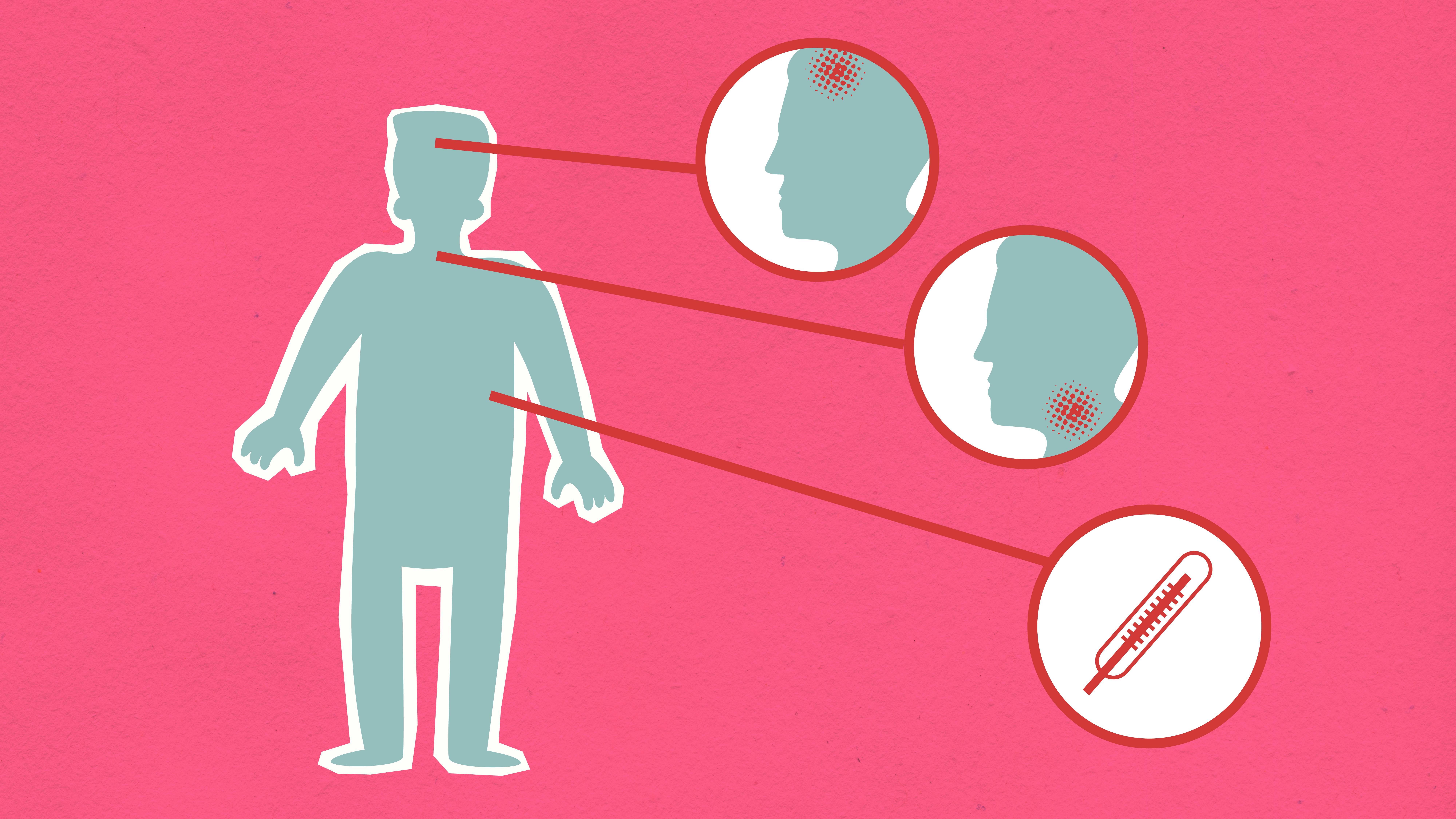
What Symptoms Should You Look For?
Common warning signs of an underactive thyroid include persistent fatigue, unexplained weight gain, feeling cold more often, dry skin, hair thinning, constipation, and low mood. Some women also notice slowed heart rate, puffy face, or changes in their menstrual cycle. These symptoms often develop gradually, making it easy to dismiss them as “just getting older” or “stress,” especially for busy women juggling work, family, and caregiving roles.
Weight gain related to thyroid dysfunction is typically modest but stubborn. A slowed thyroid reduces basal metabolic rate, meaning the body burns fewer calories at rest. This can lead to gradual weight gain or difficulty losing weight despite consistent effort. Many women describe feeling as though their body is working against them, even when they’re eating less or exercising more.
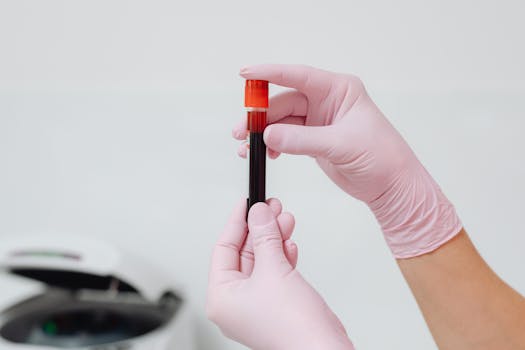
Which Tests Can Help Monitor Your Thyroid Function?
Diagnosis is another area where women frequently feel frustrated. Standard thyroid screening often includes only a TSH (thyroid-stimulating hormone) test. While TSH is useful, it doesn’t always tell the full story—especially in early or subclinical thyroid dysfunction. Women with symptoms may be told their labs are “normal” even when they don’t feel normal.
If you suspect thyroid issues, it’s reasonable to ask your healthcare provider about a more complete thyroid panel. This may include TSH, Free T4, Free T3, and thyroid antibodies (TPO and TG antibodies). Antibody testing is particularly important because autoimmune thyroid conditions such as Hashimoto’s disease are more common in women and often emerge in midlife. Identifying these patterns early can make a significant difference in management and quality of life.

Important Lifestyle Factors to Keep in Mind
Lifestyle factors also influence thyroid health. Chronic stress can interfere with thyroid hormone conversion, while inadequate protein, iodine, selenium, iron, or zinc intake may impair thyroid function. Extremely low-calorie diets and over-exercising can further suppress thyroid activity, particularly in women already under hormonal stress. This is one reason why aggressive dieting often backfires after 40.
Sleep quality plays a role as well. Poor sleep disrupts hormonal signaling and can worsen fatigue, inflammation, and metabolic dysfunction. Supporting sleep, managing stress, and fueling the body adequately are foundational steps when addressing thyroid-related symptoms — whether or not medication is required.

What If You Use GLP-1 Weight Loss Medication
For women using GLP-1 weight loss medications or working on appetite regulation, thyroid health remains relevant. While GLP-1s do not cause common thyroid disorders, untreated hypothyroidism can limit weight loss results and exacerbate fatigue. Ensuring thyroid function is optimized allows any weight loss strategy (medication or lifestyle-based) to work more effectively.
It’s important to remember that thyroid dysfunction is not a personal failure. It’s a medical condition influenced by genetics, autoimmunity, nutrient status, stress, and hormonal transitions. With proper evaluation and individualized care, many women experience meaningful improvements in energy, weight stability, and overall well-being.
Final Ample Thought
At Ample Health & Wellness, we take a whole-person approach to weight loss and midlife health. If you’re struggling with symptoms that don’t add up or feel dismissed by “normal labs,” it may be time to look deeper. Sustainable progress starts with understanding your body—not fighting it.

About the Author: Dr. Kisha Pickford, DNP, is a board-certified nurse practitioner and holistic nutrition weight loss coach at Ample Health & Wellness. She helps women over 40 achieve sustainable weight loss and whole-body wellness through holistic, evidence-based coaching.