Contact Us: (901) 675-6125



There are plenty of things that can affect how energetic you feel after 40. Sleep. Stress. Physical activity. Hydration. Nutrition. Hormonal changes. Medical conditions. Medications. And yes, even how much caffeine you’re depending on to get through the day.
So, I don’t believe there’s one magical habit that guarantees all-day energy. But if you asked me to choose one nutrition habit I consistently prioritize, it would be this: Build your first meal around a meaningful source of protein.
For me, this isn’t about following a high-protein diet or avoiding carbohydrates. It’s about creating a stronger nutritional foundation early in the day instead of waiting until dinner to think seriously about protein. And for women over 40, there are several reasons that matters.
Protein Does More Than Keep You Full
Protein provides amino acids the body uses to build and maintain tissues. It’s involved in countless physiological processes, but one role becomes particularly relevant as we age: maintaining skeletal muscle. Women often enter midlife thinking primarily about losing weight. But healthy aging requires us to think about what we’re preserving too. Muscle contributes to strength, physical function and our ability to remain active and independent as we age.
Researchers continue to debate exactly how much protein is optimal across different ages and health conditions, but experts increasingly recognize the importance of adequate protein intake for healthy aging. Some expert recommendations for women over 50 and older adults also emphasize spreading high-quality protein across meals rather than consuming most of it at dinner. That makes breakfast, or whatever meal happens to be your first meal of the day, an opportunity we sometimes overlook.
Why I Start With the First Meal
Think about a common morning:
- Coffee.
- Maybe toast.
- A pastry grabbed on the way out.
- A small bowl of cereal.
- Or perhaps nothing at all because you’re rushing.
Then lunch gets delayed. By late afternoon, you’re tired and hungry, and you’re trying to make nutritional decisions while your body is asking for food now.
Building your first meal around protein doesn’t guarantee that you’ll feel energetic all day. Human energy regulation is far more complicated than that. But protein can contribute to satiety, and research has found that higher-protein meals can increase feelings of fullness. Some research has also explored whether consuming more protein earlier in the day may influence satiety. For me, that’s useful because a satisfying first meal creates a better foundation for the choices that follow.
What Does a Protein-First Meal Look Like?

It doesn’t have to mean eating an enormous plate of meat. Your protein might come from:
- Eggs
- Greek yogurt
- Cottage cheese
- Fish or poultry
- Tofu or tempeh
- Beans or lentils
- Milk or soy milk
- A thoughtfully constructed smoothie
- Other protein-rich foods that fit your dietary preferences
Then build the rest of the meal. Add fiber-rich carbohydrates such as fruit, vegetables, beans or whole grains. Include healthy fats where appropriate. Suddenly we’re no longer talking about “eat more protein.” We’re talking about building a balanced meal. That’s an important distinction.
What About Blood Sugar?
Protein-containing mixed meals can affect digestion and post-meal glucose responses, but I don’t like telling women that adding protein to breakfast will automatically “balance your blood sugar all day.” That’s too simplistic.
Your glucose response is influenced by the entire meal, portion sizes, carbohydrate type, activity, metabolic health, medications and many other factors. For women with diabetes, prediabetes or other metabolic conditions, individualized nutrition guidance may be especially important. The better message is this:
Don’t expect one nutrient to do the work of an entire eating pattern.
Protein Becomes Especially Important When Weight Loss Is the Goal
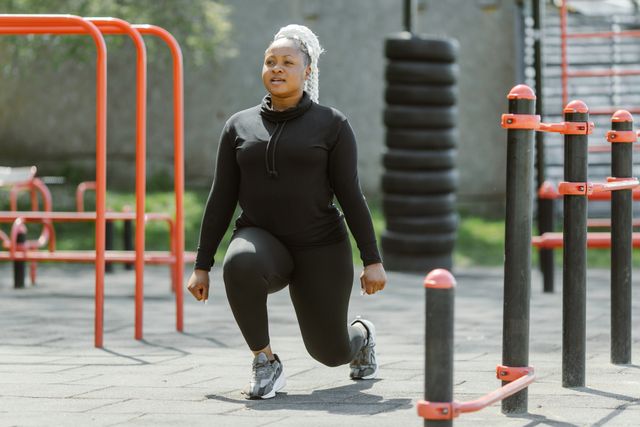
This is where the conversation becomes even more relevant for many women in the Ample community. If you’re intentionally losing weight (whether through lifestyle changes, a GLP-1 medication, bariatric surgery or another medically appropriate approach) you don’t want the conversation to be only about making the number on the scale smaller. Weight loss can include loss of both fat mass and lean tissue.
Adequate nutrition and resistance exercise become important parts of protecting muscle and physical function. Research in postmenopausal women also reinforces an important point: simply adding protein isn’t necessarily enough. Exercise, particularly resistance training, remains a major part of the muscle-preservation equation. In other words:
Protein matters, but your muscles also need a reason to stay.
Why I Prioritize This Over Other Healthy Habits
I actually don’t. And that’s an important part of my answer. I don’t believe nutrition should compete with sleep, movement, hydration or stress management for the title of “most important wellness habit.” They work together.
You can eat an excellent breakfast and still feel exhausted if you’re consistently sleeping five hours a night. You can drink plenty of water and still struggle if you’re chronically stressed. You can eat enough protein but miss one of the strongest stimuli for maintaining strength if you never challenge your muscles. Whole-person wellness doesn’t work particularly well when we isolate one behavior from everything else.
Building my first meal around protein is simply one habit that’s practical, repeatable and easy to anchor to something I’m already doing every day: eating.
The FRESH Start Approach: Start with Food & Foundations
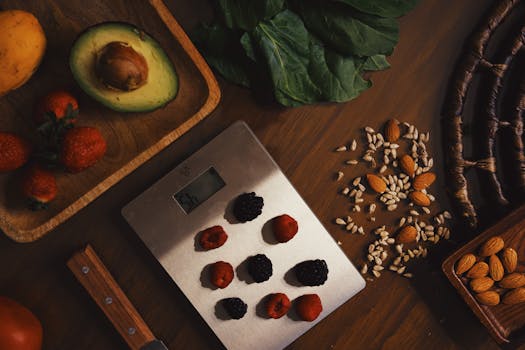
This fits naturally into the Food & Foundations portion of the Ample FRESH Start Framework. Before chasing supplements, complicated meal plans or the newest wellness trend, look at your foundation. Ask: What does my first meal usually look like? Then make one improvement.
- Maybe you add Greek yogurt to breakfast.
- Maybe you add eggs alongside your toast.
- Maybe your smoothie gets a reliable protein source instead of being mostly fruit.
- Maybe breakfast isn’t your thing and your first meal is at noon. That’s fine too.
The habit isn’t: Eat protein at 7:00 a.m.
The habit is: When I eat my first meal, I intentionally include a meaningful protein source.
That’s much easier to carry into real life.
One Important Note About Protein Needs
There isn’t one protein target that’s appropriate for every woman. Needs can vary with age, body size, physical activity, health conditions and goals. Women with kidney disease or certain other medical conditions may require individualized recommendations, so significantly increasing protein intake isn’t something everyone should do without considering their health history. That’s another reason I prefer teaching women to improve the quality and structure of their meals rather than handing everyone the same protein number.
Build Energy Instead of Constantly Rescuing It
There will still be tired days. There will still be mornings when the coffee is necessary—or simply enjoyable. And no breakfast can eliminate the demands of work, caregiving, stress or a poor night’s sleep. But after 40, I think we benefit from asking a different question.
Instead of: What can I take to give me more energy?
Try: What am I doing consistently that helps my body produce, preserve and use energy well?
For me, building my first meal around protein is one piece of that answer. Not because it’s magic. Because it’s simple enough to repeat. And sustainable wellness is usually built through the things we’re willing and able to do again tomorrow.
Continue Your Wellness Journey
At Ample Health & Wellness, we help women over 40 move beyond quick fixes and build practical habits that support weight management, metabolic wellness, healthy aging and whole-person health. Join Ample Wellness Weekly for evidence-informed strategies you can actually use in everyday life.
👩🏾⚕️ About the Author
Dr. Kisha Pickford, DNP, ACNP-BC is a board-certified nurse practitioner, holistic nutrition weight loss coach, and hormone-informed metabolic and weight loss strategist. Through Ample Health & Wellness, she helps women over 40 build sustainable, evidence-informed habits that support weight management, metabolic wellness and whole-person health.
🩺 Medical Disclaimer
This article is for educational and informational purposes only and is not intended to diagnose, treat, cure or prevent disease or replace individualized medical or nutrition advice. Individual protein and nutrition needs vary. Talk with an appropriate healthcare professional or registered dietitian about recommendations specific to your health.
📚 References
- Paddon-Jones D, Rasmussen BB. Dietary protein recommendations and the prevention of sarcopenia. Current Opinion in Clinical Nutrition and Metabolic Care. Research on protein distribution, muscle anabolism and satiety supports considering protein on a meal-by-meal basis in middle-aged and older adults.
- Rizzoli R, et al. The role of dietary protein and vitamin D in maintaining musculoskeletal health in postmenopausal women. Osteoporosis International. The consensus statement emphasizes adequate protein and physical activity for women over 50.
- Bauer J, et al. Evidence-based recommendations for optimal dietary protein intake in older people: a position paper from the PROT-AGE Study Group. Journal of the American Medical Directors Association.
- Kim JE, et al. Increased dietary protein consumed at breakfast leads to an initial and sustained feeling of fullness during energy restriction compared to other meal times. British Journal of Nutrition. This is a small study and was conducted in men, so I’d cite it specifically for the satiety observation rather than generalizing it to women over 40.