 Skip to content
Contact Us: (901) 675-6125


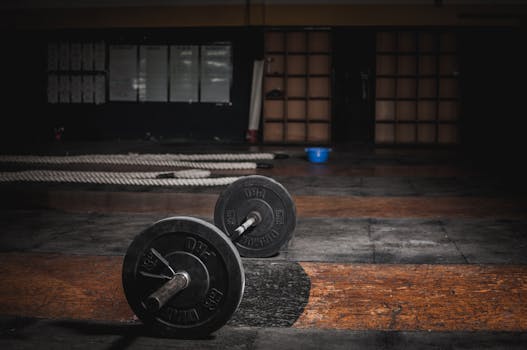
For many women, exercise habits earlier in life focused heavily on cardio. Running, cycling, group fitness classes, and long walks were often viewed as the primary ways to maintain health and manage weight. While cardiovascular exercise remains important for heart health, strength training becomes increasingly essential after the age of 40. Maintaining muscle mass plays a critical role in metabolism, bone health, mobility, and long-term vitality. Understanding how muscle influences the body can help women shift from an exercise mindset focused only on burning calories to one focused on protecting long-term health and metabolic resilience.
The Natural Loss of Muscle With Age

Beginning around age 30, adults gradually begin losing muscle mass in a process known as sarcopenia. This loss often accelerates during midlife due to hormonal changes associated with perimenopause and menopause. Research suggests adults may lose approximately 3–8% of muscle mass per decade without preventive intervention. Muscle loss affects much more than physical strength. It can influence:
• resting metabolic rate
• blood sugar regulation
• physical stability and balance
• joint support and mobility
• risk of injury and falls later in life
Because muscle is metabolically active tissue, maintaining it helps support metabolic efficiency and overall energy balance.
Muscle and Metabolism: The Hidden Connection
Muscle tissue plays a key role in how the body uses energy. Compared with fat tissue, muscle requires more energy to maintain. This means that individuals with higher muscle mass often have a higher resting metabolic rate, allowing the body to burn more calories at rest. While strength training is sometimes misunderstood as only a tool for building muscle size, its most important benefit for many women is actually metabolic protection. Maintaining muscle helps the body:
• regulate blood sugar more efficiently
• maintain metabolic flexibility
• improve insulin sensitivity
• support energy stability throughout the day
This is one reason strength training becomes particularly valuable during midlife.

Strength Training Supports Bone Health
Another major benefit of strength training after 40 is its role in protecting bone density. Women are at increased risk of osteoporosis after menopause due to declining estrogen levels. Resistance exercise places healthy stress on bones, encouraging the body to maintain or increase bone strength. Studies show that weight-bearing and resistance training exercises can significantly improve bone density and reduce fracture risk. Supporting bone health early in midlife can help prevent more serious complications later in life.
Strength Training Improves Functional Health
Beyond metabolic and skeletal benefits, strength training supports functional movement —the ability to perform everyday activities with ease and confidence. Maintaining strength supports:
• lifting and carrying objects safely
• climbing stairs with ease
• improved balance and coordination
• reduced risk of falls
Functional strength becomes increasingly valuable with age, helping maintain independence and physical confidence.
How Often Should Women Strength Train?
For most women, strength training does not require complicated gym routines or heavy lifting. Current physical activity guidelines recommend two to three sessions of resistance training per week targeting major muscle groups. Examples include:
• bodyweight exercises such as squats or push-ups
• resistance bands
• free weights or machines
• Pilates or strength-focused yoga
• functional strength circuits
Consistency matters more than intensity. Even moderate resistance training can provide meaningful benefits over time.

Strength Training and Weight Management
Many women approach exercise primarily as a way to burn calories. However, focusing only on calorie expenditure may overlook the long-term metabolic benefits of muscle preservation. Strength training helps maintain lean muscle mass during weight loss. This is important because restrictive dieting without resistance exercise can lead to both fat and muscle loss.
Preserving muscle helps maintain metabolic efficiency and supports healthier long-term weight management. When combined with balanced nutrition and adequate protein intake, strength training becomes a powerful tool for supporting sustainable metabolic health.
Strength Training and GLP-1 Medications
Women using GLP-1 medications may experience significant weight loss due to reduced appetite and changes in hunger regulation. During periods of weight loss, protecting muscle mass becomes especially important. Without adequate protein intake and resistance exercise, lean tissue may also be lost along with fat. Combining strength training with sufficient protein intake helps preserve muscle mass and supports long-term metabolic health during and after weight loss.
Getting Started with Strength Training

Beginning a strength training routine does not require advanced experience or expensive equipment. Simple steps include:
• starting with bodyweight movements
• incorporating resistance bands
• gradually adding light weights
• focusing on proper form and controlled movement
• allowing time for recovery between sessions
Many women find that once they begin strength training consistently, they experience improvements in energy, posture, and overall physical confidence.
A Whole-Health Approach to Movement
At Ample Health & Wellness, movement is viewed as one part of a broader wellness framework. The FRESH Start Framework encourages women to build sustainable habits that support nutrition, mindset, environment, and whole-body health. Strength training complements these pillars by supporting metabolic health and physical resilience. Rather than viewing exercise as punishment for food choices, it can be reframed as an investment in long-term vitality.
Final Ample Thoughts
Strength training is one of the most effective ways women can support their health after 40. By preserving muscle mass, supporting metabolism, protecting bone density, and improving functional strength, resistance exercise provides benefits that extend far beyond appearance or weight management. When combined with balanced nutrition, restorative sleep, and stress management, strength training becomes a powerful tool for supporting health and vitality in midlife. Small, consistent steps can create meaningful improvements over time.

About the Author: Dr. Kisha Pickford, DNP, is a board-certified nurse practitioner and holistic nutrition weight loss coach at Ample Health & Wellness. She helps women over 40 achieve sustainable weight loss and whole-body wellness through holistic, evidence-based coaching.
📚References
Mitchell, W. K., Williams, J., Atherton, P., et al. (2012). Sarcopenia and the impact of advancing age on skeletal muscle. Frontiers in Physiology, 3, 260.
Piercy, K. L., Troiano, R. P., Ballard, R. M., et al. (2018). The physical activity guidelines for Americans. JAMA, 320(19), 2020–2028.
Watson, S. L., Weeks, B. K., Weis, L. J., et al. (2018). High-intensity resistance and impact training improves bone density and physical function in postmenopausal women. Journal of Bone and Mineral Research, 33(2), 211–220.