Contact Us: (901) 675-6125


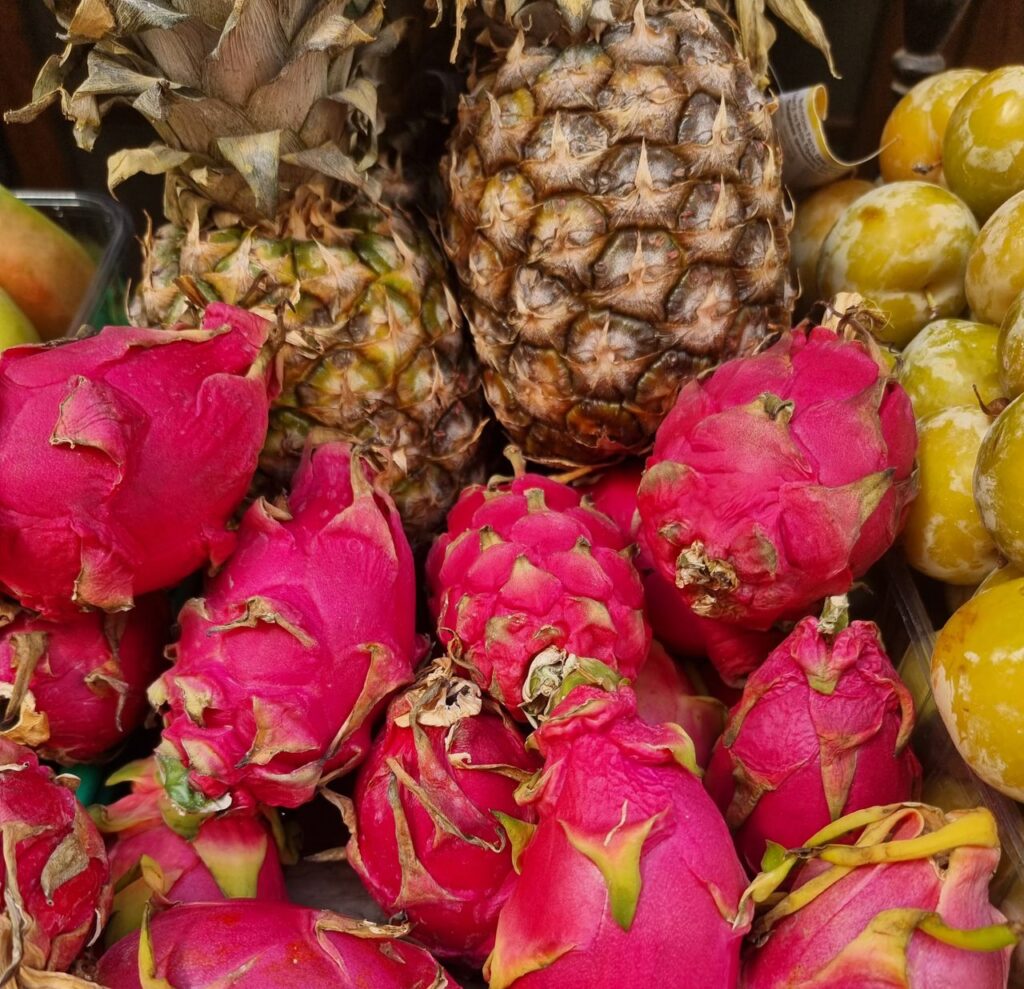
When most of us think about healthy fruit choices, we picture apples, bananas, oranges, grapes, or berries. These fruits absolutely deserve a place in a healthy eating pattern, but they represent only a small fraction of the incredible variety nature offers.
Recently, I listened to a podcast featuring the owner of a tropical fruit farm. As someone who enjoys learning about nutrition, I was fascinated, not because I was searching for the latest wellness trend, but because it reminded me how many nutrient-rich foods exist that many of us have never experienced.
For women over 40, exploring new fruits isn’t about chasing “superfoods.” It’s about expanding the diversity of nutrients in our diet while enjoying foods from different cultures and climates. Let’s explore several tropical fruits worth knowing and what current nutrition research tells us about each.
Why Variety Matters More Than One “Superfood”
The wellness industry loves labeling foods as miracle cures. In reality, no single fruit provides everything your body needs. Different fruits offer different combinations of:
- Vitamins
- Minerals
- Fiber
- Antioxidants
- Phytonutrients
- Water
- Natural plant compounds
The more variety you include throughout the week, the broader your nutritional intake becomes. This is one reason many dietary patterns associated with longevity emphasize eating a wide range of colorful fruits and vegetables rather than relying on one “magic” food.
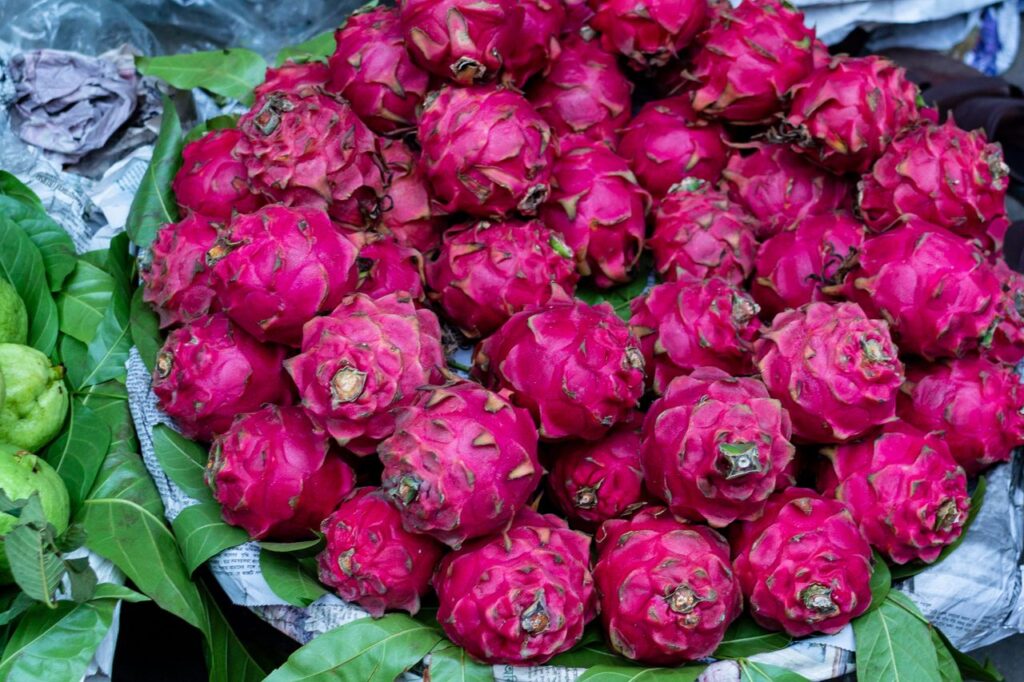
1. Dragon Fruit (Pitaya)
Dragon fruit is known for its vibrant pink exterior and striking white or red flesh dotted with tiny black seeds.
Nutritional Highlights:
- Good source of fiber
- Vitamin C
- Magnesium
- Prebiotic fiber that supports gut health
Its mild sweetness makes it an easy addition to smoothies, yogurt, or fruit salads.
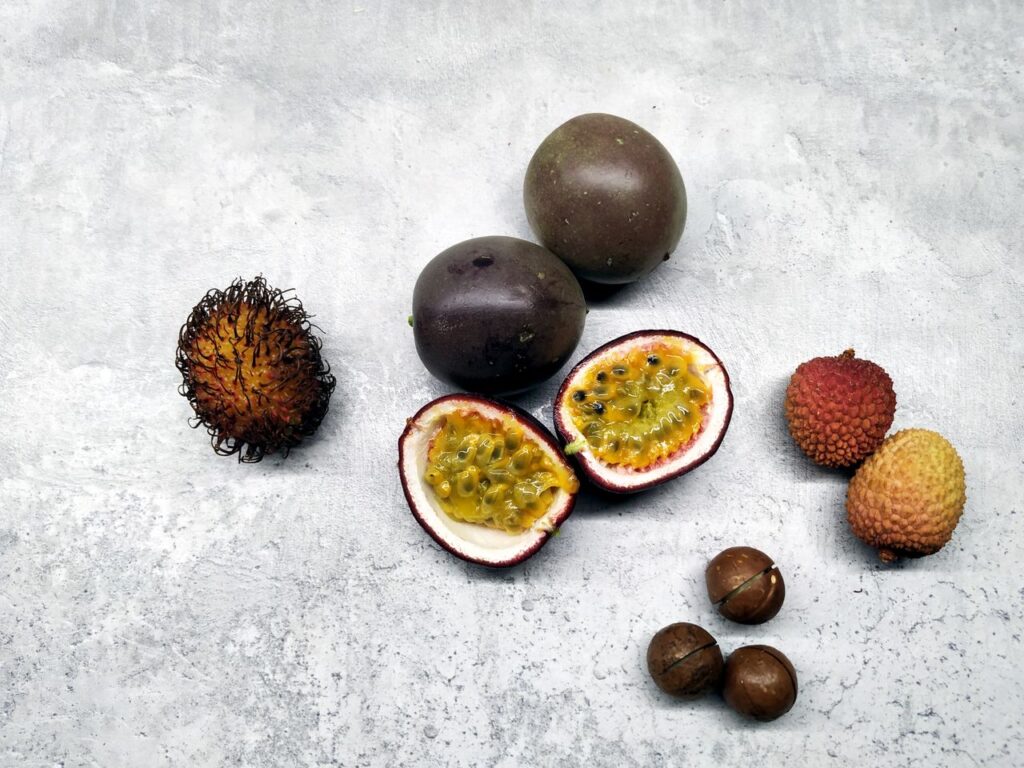
2. Passion Fruit
Don’t let its small size fool you. Passion fruit contains impressive nutrition in every spoonful.
Benefits:
- Excellent fiber source
- Vitamin A
- Vitamin C
- Potassium
- Antioxidants
Its tart flavor pairs well with Greek yogurt or oatmeal.
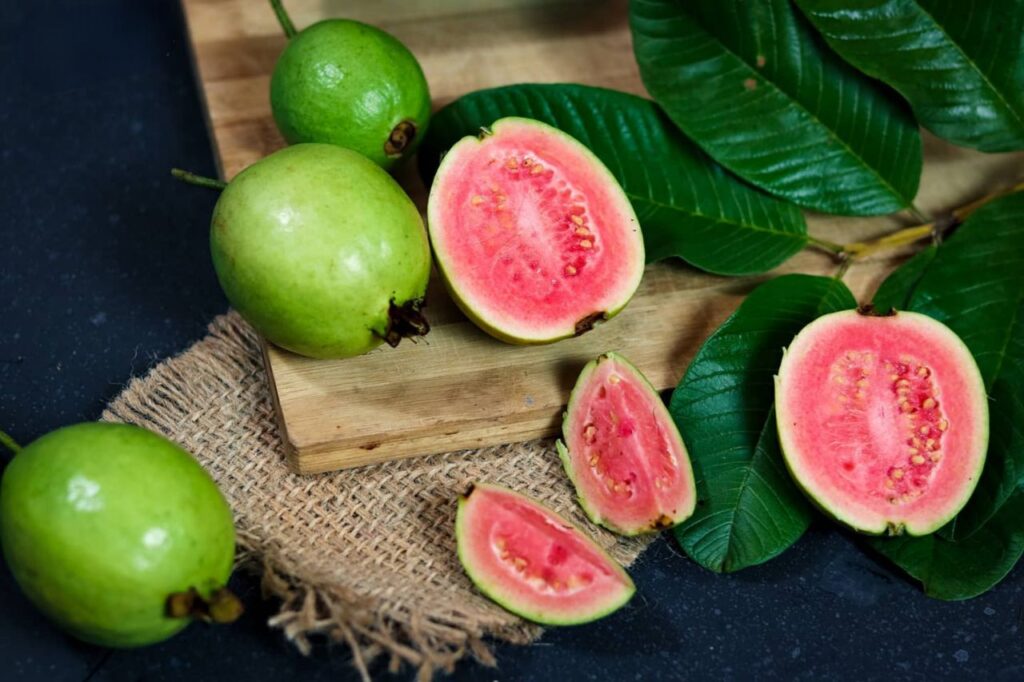
3. Guava
Guava may be one of the most underrated fruits available. In fact, it contains remarkably high amounts of vitamin C.
Why It Matters? Vitamin C supports:
- Immune function
- Collagen production
- Wound healing
- Healthy skin
Guava also provides fiber, helping support digestive health and fullness.
4. Papaya
Papaya has been enjoyed for centuries throughout tropical regions. It contains an enzyme called papain that helps break down proteins during digestion.
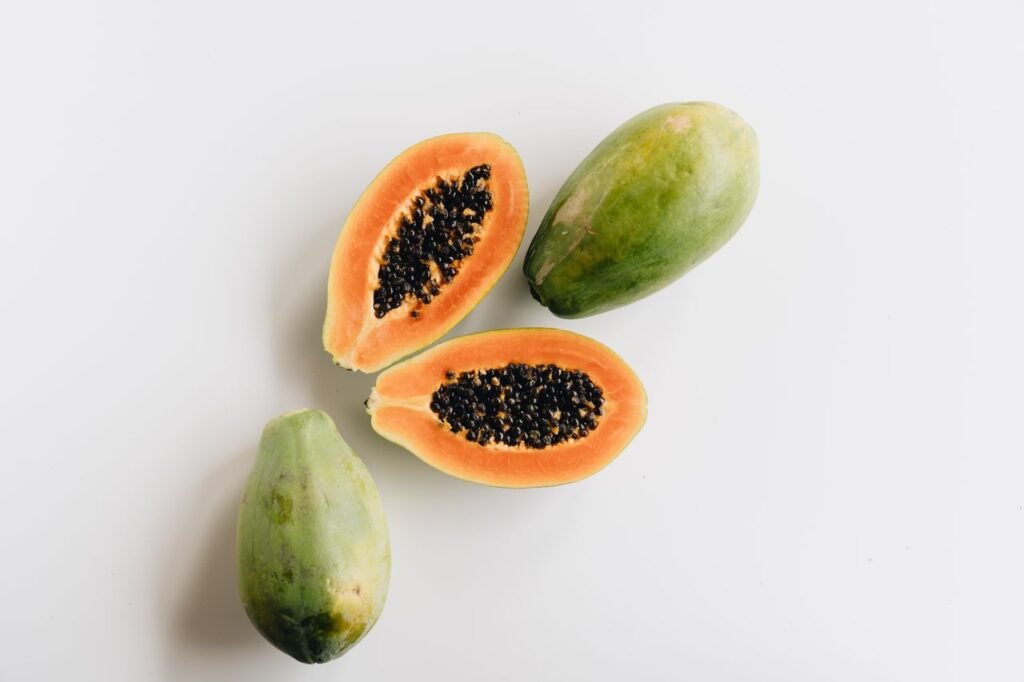
Additional Nutrients:
- Vitamin A
- Vitamin C
- Folate
- Potassium
Many people enjoy papaya fresh, blended into smoothies, or paired with lime juice.
5. Black Sapote
Nicknamed the “Chocolate Pudding Fruit,” black sapote develops a naturally soft, creamy texture when ripe. Despite its dessert-like consistency, it contains:
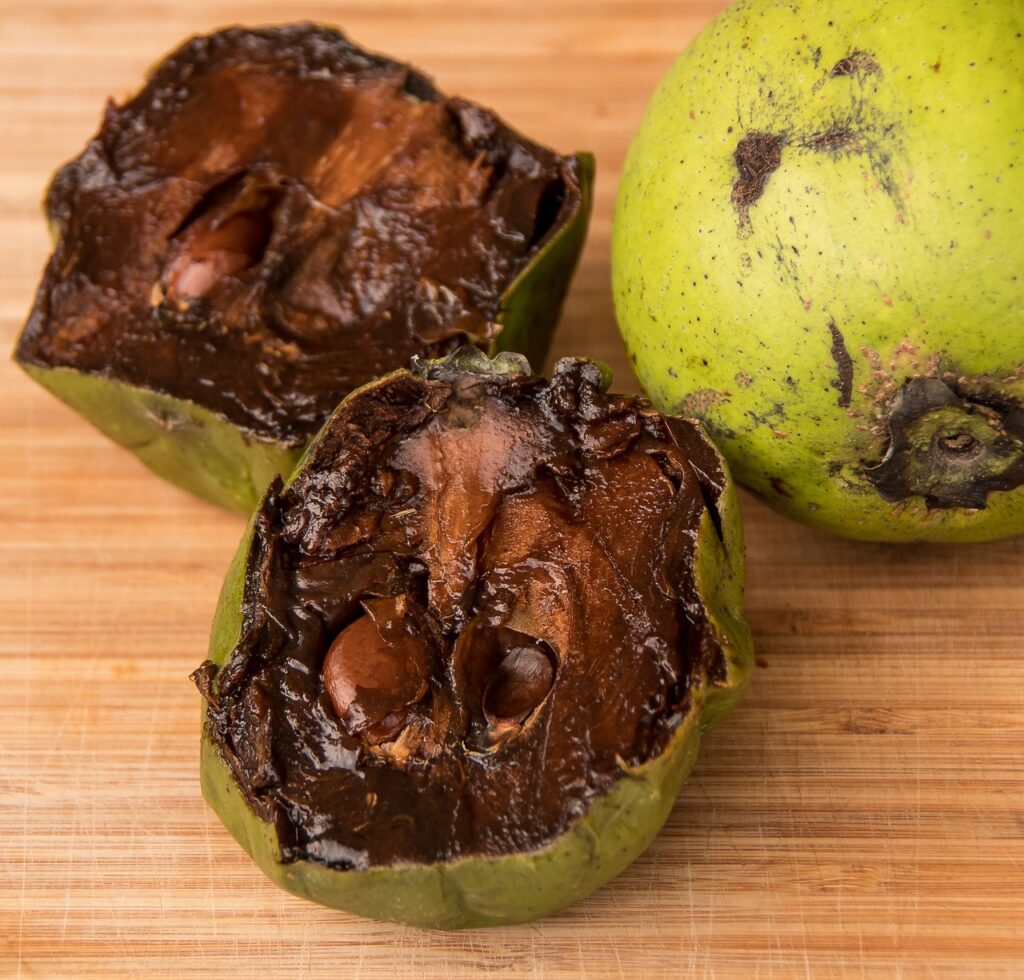
- Fiber
- Vitamin C
- Potassium
While it shouldn’t replace vegetables or balanced meals, it can satisfy a sweet craving with whole-food nutrition.
6. Canistel (Egg Fruit)
Canistel has a dense, custard-like texture that reminds some people of sweet potato or pumpkin pie filling.
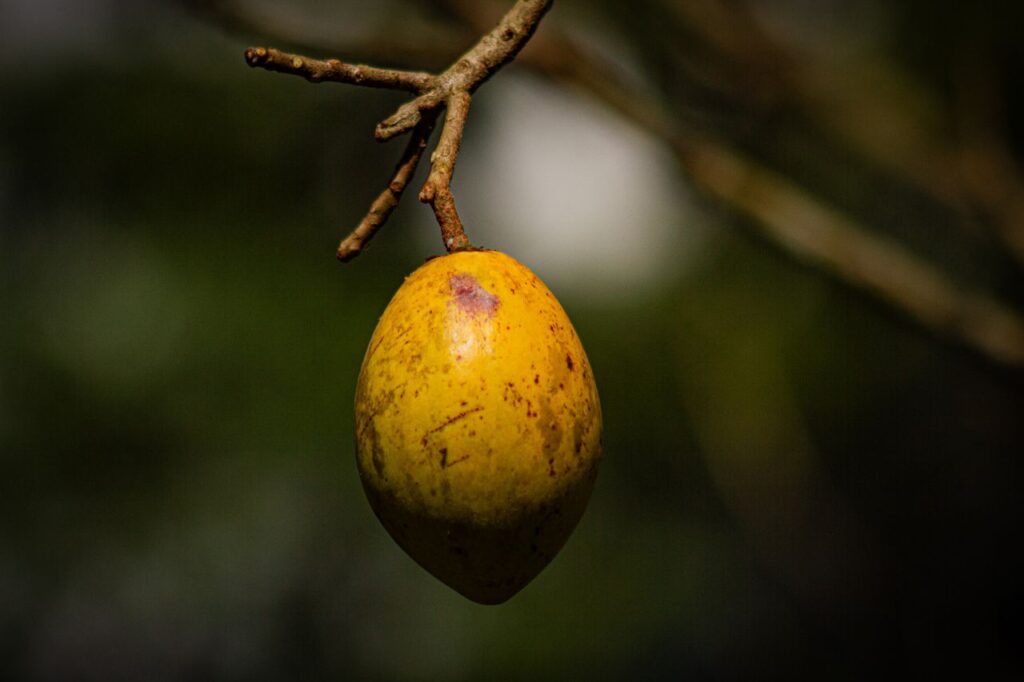
It provides:
- Vitamin A
- Potassium
- Fiber
Its texture makes it useful in smoothies or healthy dessert recipes.
7. Soursop (Graviola)
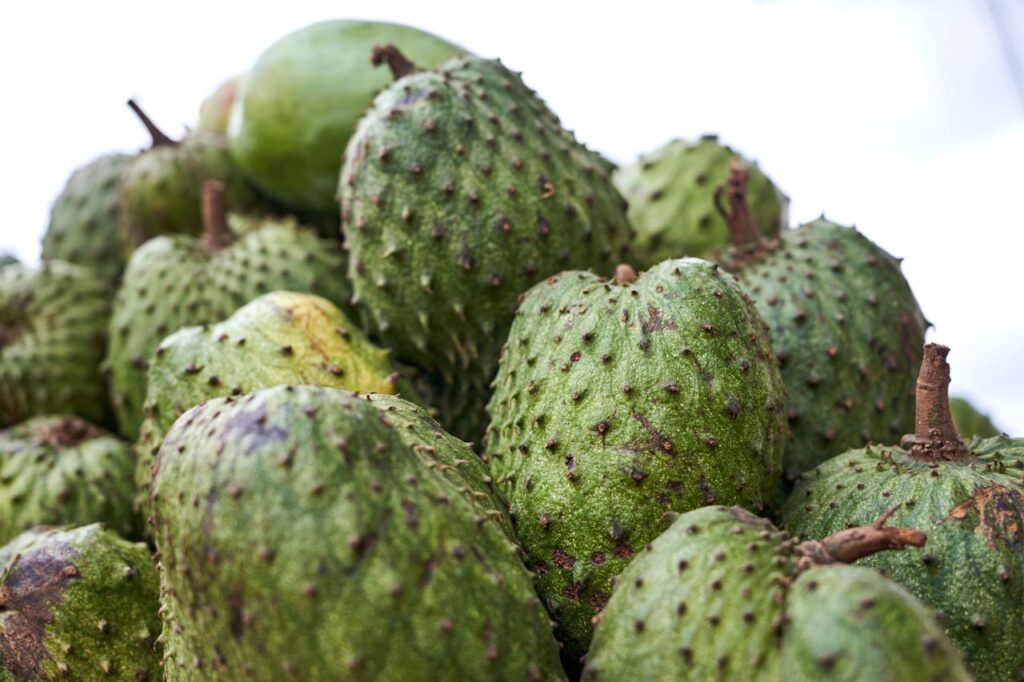
Perhaps no tropical fruit generates more online discussion than soursop. Traditional cultures have used various parts of the plant for generations, and laboratory studies have investigated several naturally occurring compounds. However, it’s important to distinguish between laboratory research and proven clinical treatments.
What the Evidence Says
Current human studies do not support claims that soursop cures or treats cancer. Likewise, concentrated supplements may not be appropriate for everyone and have raised safety concerns when consumed in large amounts or over long periods. As always, talk with your healthcare provider before using herbal supplements or concentrated botanical products. Eating the fruit as part of a varied diet is very different from taking high-dose extracts marketed with unsupported health claims.
Can Tropical Fruits Help With Weight Loss?
Not because they are magical. But because they can help replace highly processed desserts and snacks while increasing fiber intake and overall diet quality.
Whole fruits can:
- Promote fullness
- Provide hydration
- Deliver beneficial nutrients
- Support healthier eating patterns
Weight management, however, still depends on your overall lifestyle—not one specific food.
Practical Ways to Explore Tropical Fruits
If these fruits aren’t available at your neighborhood grocery store, try:
- International markets
- Farmers markets
- Frozen fruit sections
- Specialty produce stores
Challenge yourself to try one unfamiliar fruit each month. Nutrition can be both educational and enjoyable.
The Bigger Picture
One of the biggest lessons I’ve learned — both professionally and personally — is that lasting wellness rarely comes from finding the perfect food. It comes from building consistent habits. Eating more whole foods. Moving your body regularly. Sleeping well. Managing stress. Staying curious. And making choices you can maintain for years, not just weeks.
Looking Beyond Food Trends

At Ample Health & Wellness, we encourage women to focus on sustainable habits rather than chasing every nutrition headline.
If you’re feeling overwhelmed by conflicting nutrition advice or wondering which dietary changes make the most sense for your body, our Root Cause Weight Loss & Wellness Audit is designed to help identify the factors influencing your health today. Together, we’ll review your nutrition patterns, lifestyle habits, and wellness goals to create a personalized roadmap that’s practical and evidence informed.
The FRESH Start Framework
This article reflects several principles of our FRESH Start Framework:
- Food Freedom & Foundations: Prioritize whole, nutrient-dense foods and dietary variety.
- Rewire Mindset: Replace “miracle food” thinking with evidence-based nutrition.
- Elevate Habits: Explore new foods while building consistent routines.
- Simplify Environment: Make healthy choices easier by stocking nutritious options.
- Honor Whole Health: Nutrition works best alongside sleep, movement, stress management, and preventive care.
Final Ample Thoughts
Healthy eating doesn’t have to be boring or limited to the same handful of foods every week. One of the greatest joys of nutrition is discovering new flavors, cultures, and traditions. Sometimes improving your health isn’t about giving something up. Sometimes it’s about discovering something new that nourishes both your body and your curiosity. Whether you try dragon fruit, papaya, guava, or another tropical favorite, remember that wellness isn’t built on one extraordinary food. It’s built on the ordinary choices we make consistently over time.
Continue Your Wellness Journey
If you enjoyed this article, I’d love to stay connected.
Join the Ample Health & Wellness newsletter for practical wellness tips, new evidence-based articles, Weight Talk Thursdays, podcast episodes, and encouragement designed specifically for women over 40. It’s free, and my goal is simple: help you build sustainable habits that support your health — one step at a time.

About the Author: Dr. Kisha Pickford, DNP, ACNP-BC, is a board-certified nurse practitioner, holistic nutrition weight loss coach, and founder of Ample Health & Wellness. She specializes in helping women over 40 uncover the root causes of weight and wellness challenges through evidence-based, personalized strategies that support sustainable health, healthy aging, and whole-body wellness.
📚 References
- U.S. Department of Agriculture. FoodData Central.
- American Heart Association. Healthy Eating Recommendations.
- Academy of Nutrition and Dietetics. Eat Right.
- National Center for Complementary and Integrative Health (NCCIH). Herbs at a Glance: Graviola (Soursop).
- World Cancer Research Fund/American Institute for Cancer Research. Diet, Nutrition, Physical Activity and Cancer.