Contact Us: (901) 675-6125


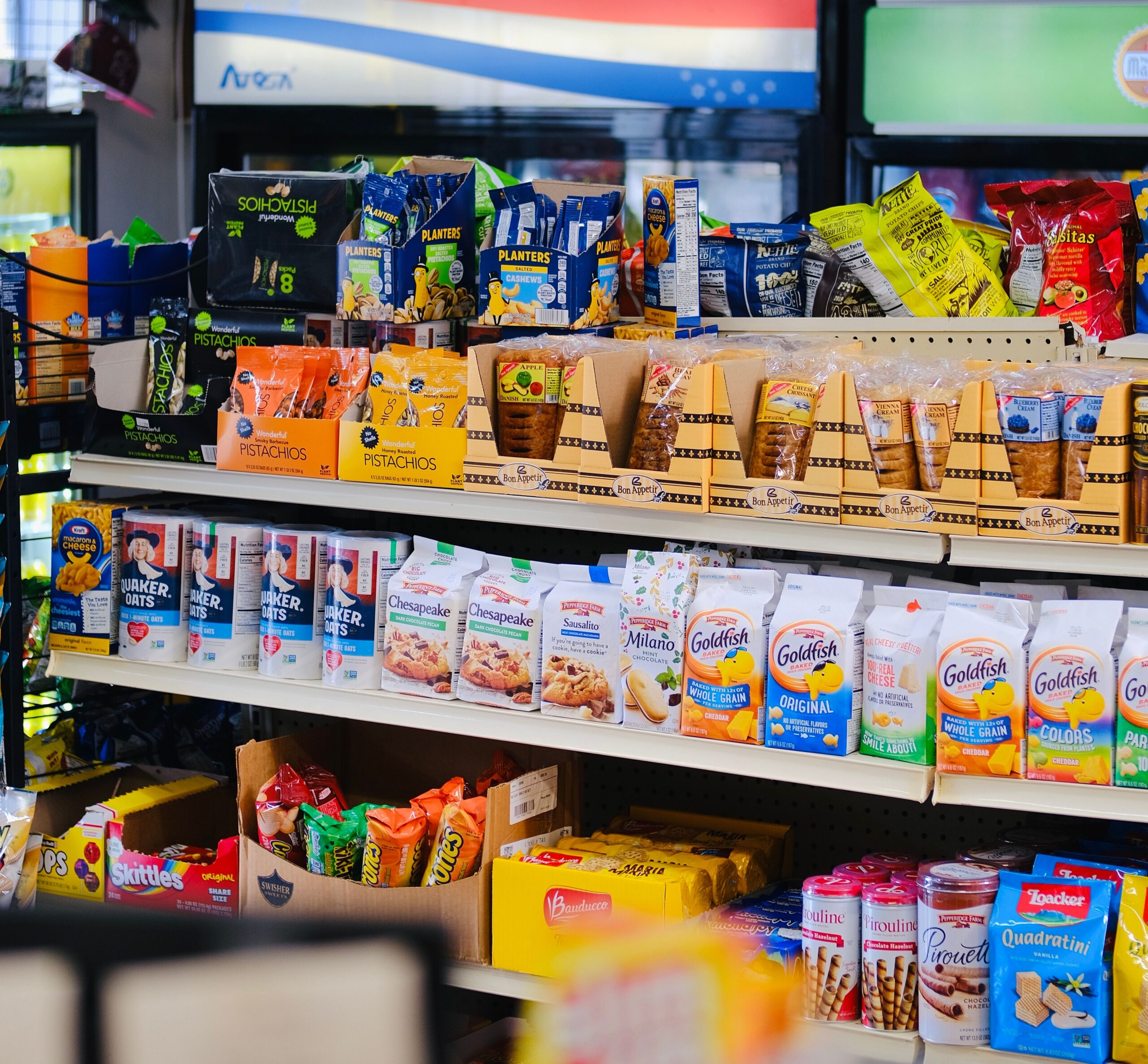
If you’ve been paying attention to health headlines recently, you’ve probably noticed increasing conversations about ultra-processed foods and their impact on our health. One recent study even reported a significant association between diets high in ultra-processed foods and an increased risk of cardiovascular disease. Headlines like these can be alarming.
Should you throw away every packaged food in your pantry? Absolutely not.
Instead, this is an opportunity to better understand what ultra-processed foods are, why researchers are studying them, and how making small, realistic changes may improve your health — especially after 40.
What Are Ultra-Processed Foods?
The NOVA food classification system groups foods based on how much they have been processed. Ultra-processed foods are products that have been heavily manufactured and often contain ingredients that you wouldn’t typically use in your own kitchen. Examples include:
- Sugary breakfast cereals
- Packaged snack cakes and cookies
- Chips and cheese puffs
- Hot dogs and many processed meats
- Instant noodles
- Frozen convenience meals
- Soft drinks and energy drinks
- Candy and many packaged desserts
These foods often contain combinations of refined starches, added sugars, unhealthy fats, preservatives, flavor enhancers, artificial colors, emulsifiers, and stabilizers designed to improve taste, texture, and shelf life. It’s important to remember that processing itself is not the problem. Frozen vegetables, canned beans, plain yogurt, frozen fruit, and whole-grain oats are processed foods, but they can still be nutritious choices. The concern is with foods that have been ultra-processed and become far removed from their original ingredients.
What Does the Research Actually Show?
Recent research has found that people who consume diets high in ultra-processed foods may have higher rates of:
- Cardiovascular disease
- Type 2 diabetes
- Obesity
- High blood pressure
- Certain cancers
- Premature death
One study reported that higher consumption of ultra-processed foods was associated with a substantially increased risk of heart disease. However, it is important to understand what these studies mean.
Most nutrition research is observational. That means researchers observe patterns among large groups of people. These studies can identify associations, but they cannot prove that one food directly caused a disease.
Other lifestyle factors —including physical activity, smoking, sleep, stress, and socioeconomic factors— also influence health outcomes.
The takeaway isn’t fear. The takeaway is awareness.
Why This Matters More After 40
As women move through perimenopause and menopause, our bodies naturally undergo changes that can affect:
- Cholesterol levels
- Blood pressure
- Insulin sensitivity
- Body composition
- Inflammation
- Muscle mass
Heart disease remains the leading cause of death among women, making heart-healthy habits increasingly important with age. Choosing more whole, nutrient-dense foods can help support not only heart health but also energy, metabolism, digestive health, and healthy aging.
Small Changes Make a Big Difference
One of the biggest myths in nutrition is that healthy eating requires perfection. It doesn’t. You don’t have to eliminate every packaged food or cook every meal from scratch. Instead, focus on gradual improvements. Here are a few simple ideas:
- Fill half your plate with vegetables when possible.
- Choose fresh fruit instead of sugary desserts more often.
- Replace sugary beverages with water or unsweetened tea.
- Include lean protein at each meal.
- Read ingredient lists—not just the nutrition label.
- Cook at home a few more nights each week.
- Keep healthy convenience foods like frozen vegetables, canned beans, and plain Greek yogurt on hand.
Small changes practiced consistently often produce greater long-term results than extreme diets that are difficult to maintain.
Food Is Only One Piece of the Puzzle
Nutrition is incredibly important, but it is not the only factor that influences heart health. Regular physical activity, quality sleep, stress management, avoiding tobacco, and maintaining social connections all contribute to overall wellness. This is one reason I encourage women to think about health as a lifestyle—not a diet. Every healthy choice builds upon the next.
Where a Root Cause Weight Loss & Wellness Audit Can Help

Many women know they want to eat healthier but aren’t sure where to begin. That is where a personalized approach can make all the difference. My Root Cause Weight Loss & Wellness Audit takes a closer look at your eating habits, meal patterns, protein intake, hydration, and lifestyle to identify realistic opportunities for improvement. Instead of guessing, you’ll receive individualized recommendations designed to support your health goals and fit your daily life. Sometimes the biggest improvements come from making a few intentional adjustments rather than completely changing everything.
The FRESH Approach to Nutrition
At Ample Health & Wellness, I teach women to build lasting health through the FRESH Start Framework:
F – Food & Foundations: Choose nourishing foods that support energy, metabolism, and heart health.
R – Rewire the Mindset: Move away from guilt and perfection toward sustainable progress.
E – Elevate Habits: Develop routines that support lifelong wellness.
S – Simplify Your Environment: Make healthier choices easier by planning ahead and stocking your kitchen with nutritious options.
H – Honor Whole Health: Remember that wellness includes nutrition, movement, sleep, stress management, and emotional well-being.
Final Ample Thoughts
Ultra-processed foods are receiving increased attention because researchers continue to learn more about how dietary patterns influence long-term health. The goal is not to fear food or eliminate every convenience item from your life. The goal is to become more intentional.
Every meal is an opportunity, not for perfection, but for progress. The foods you choose most often will have a far greater impact on your health than the occasional treat or convenience meal.
Start where you are. Make one healthier choice today. Then make another tomorrow. Those small decisions, repeated consistently, are what build a healthier heart and a healthier future.

About the Author: Dr. Kisha Pickford, DNP, is a board-certified nurse practitioner and holistic nutrition weight loss coach at Ample Health & Wellness. She helps women over 40 achieve sustainable weight loss and whole-body wellness through holistic, evidence-based coaching.
📚References
- Lane MM, et al. Ultra-Processed Food and Chronic Disease Risk: A Systematic Review and Meta-analysis. BMJ. 2024.
- American Heart Association. Healthy Eating to Reduce Cardiovascular Disease Risk. Updated 2024.
- Monteiro CA, et al. The NOVA Classification of Foods According to the Extent and Purpose of Their Processing. Public Health Nutrition.
- U.S. Dietary Guidelines for Americans 2020–2025.