Contact Us: (901) 675-6125


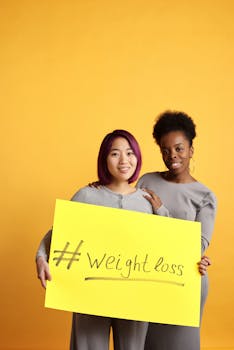
For years, women over 40 were often given the same simple advice when it came to weight loss: eat less, move more, and try harder. And let’s be honest — many women did try harder.
They counted calories. They joined gyms. They skipped meals. They cut carbs. They restarted on Monday more times than they can count. They bought the supplements, watched the videos, followed the trends, and still found themselves asking, “Why is this not working like it used to?”
The truth is… weight loss after 40 is changing because we are finally having a better conversation. Women are not just being told to shrink anymore. More women are asking about hormones, metabolism, sleep, stress, insulin resistance, muscle loss, appetite changes, belly fat, medications, food noise, and long-term health. And honestly, it is about time.
This does not mean the basics no longer matter. Nutrition still matters. Movement still matters. Consistency still matters. But after 40, weight loss often requires a wider lens — one that looks at the whole woman, not just the number on the scale.
The Old Advice Was Too Simple
“Eat less and exercise more” sounds simple, but it does not tell the whole story. A woman in her 40s, 50s, or 60s may be dealing with hormone changes, disrupted sleep, a stressful job, caregiving responsibilities, joint pain, blood sugar issues, emotional eating, years of dieting, or a metabolism that no longer responds the same way it did before. So, when she hears, “Just try harder,” it can feel dismissive.
Many women are not failing because they lack discipline. They are struggling because the plan they were given does not fit the body, season, or life they are living now. After 40, the question should not only be, “How do I lose weight?”
The better question is, “What does my body need in order to lose weight safely, maintain it, and feel well?” That is a very different conversation.
Midlife Weight Loss Needs a Bigger Lens
Weight loss after 40 is not just about calories. It is also about what is happening underneath the surface.
Hormonal changes can affect where weight is stored. Stress can affect cravings, energy, and consistency. Poor sleep can make hunger harder to manage. Muscle loss can affect strength, metabolism, balance, and long-term weight maintenance. Blood sugar changes can affect appetite, belly fat, and energy.
This is why so many women feel frustrated when they do “everything right” and still do not see the progress they expected. The answer is not always to eat less.
Sometimes the answer is to eat better.
Sometimes it is to eat enough.
Sometimes it is to build muscle.
Sometimes it is to sleep.
Sometimes it is to manage stress.
Sometimes it is to get medical support.
Sometimes it is to stop chasing every new trend and build a plan you can actually repeat.
That is what whole-person weight care looks like.
Medication May Help, But Support Still Matters

GLP-1 medications have changed the weight loss conversation in a major way. For many people, these medications have helped reduce appetite, improve blood sugar, decrease food noise, and support meaningful weight loss. But medication is not the whole plan.
This is where many women get stuck. They may have less appetite but still not know what to eat. They may lose weight but also worry about muscle loss. They may feel full quickly but struggle to get enough protein, fiber, fluids, or nutrients. They may wonder what happens if they stop the medication or if their dose changes. That is why support still matters.
A GLP-1 medication may help quiet some of the noise, but it does not automatically teach you how to build balanced meals, protect muscle, manage emotional eating, handle stress, or maintain weight long-term.
Women deserve more than a prescription and a quick follow-up. They deserve education, strategy, and support that helps them care for their whole body.
Strength Training Is Having a Moment… And It Should
If there is one message women over 40 need to hear more often, it is this: muscle matters.
For a long time, many women focused mostly on cardio for weight loss. Walking, cycling, dancing, and other forms of cardio are still valuable. They support heart health, mood, circulation, and stamina. But after 40, strength training becomes especially important.
Muscle supports metabolism, blood sugar balance, bone health, posture, mobility, balance, and independence. It also helps protect the body during weight loss, especially for women who are losing weight quickly or using weight loss medication.
Strength training does not mean you have to lift heavy weights in a crowded gym. It can start with resistance bands, light dumbbells, bodyweight exercises, chair squats, wall push-ups, or simple movements done consistently.
The goal is not to become someone else. The goal is to protect the body you are living in now.
Food Noise and Shame Need to Be Part of the Conversation
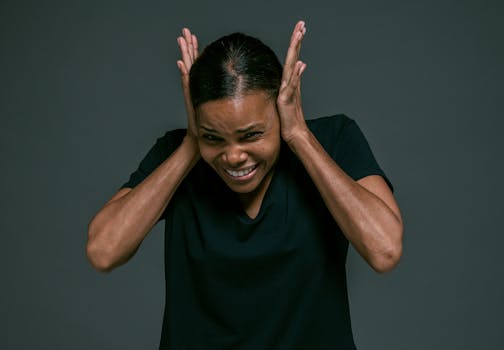
Another reason the weight loss conversation is changing is because more people are finally talking about food noise. Food noise is that constant mental chatter around food. It can sound like:
“What am I going to eat next?”
“Why did I eat that?”
“I should not be hungry.”
“I already messed up today.”
“I need to start over Monday.”
“Why can’t I control this?”
For many women, food noise is exhausting. It can be tied to dieting history, blood sugar swings, stress, emotional eating, poor sleep, under-eating, or biological appetite signals that feel hard to manage. This is also why shame does not work.
Shame may make a woman hide, restrict, or restart for a few days, but it does not create sustainable healing. What helps is awareness, support, structure, and learning how to respond to the body instead of constantly fighting it. Women should not feel ashamed for needing help. Whether that help comes through nutrition coaching, medical care, medication, therapy, strength training, or a structured program, support is not weakness. Support is strategy.
The Future of Weight Loss Is Whole-Person Care
The future of weight loss for women over 40 should not be built around crash diets, fear, or chasing skinny. It should be built around metabolic health, strength, nourishment, consistency, confidence, and prevention. That means looking at:
- protein and balanced meals
- strength training and movement
- sleep and recovery
- stress and nervous system support
- blood sugar and insulin resistance
- liver and heart health
- hormone-aware care
- medication support when appropriate
- mindset and emotional eating
- long-term behavior change
This is the kind of care women over 40 have needed for a long time.
At Ample Health & Wellness, this is exactly why I use the FRESH Start Framework. Weight loss is not just about food. It is about Food, Freedom and Foundations; Rewiring the Mindset; Elevating with Habits; Simplifying Your Environment; and Honoring Your Whole Health. That is the difference between chasing another diet and building a strategy that can support your real life.
Where to Start If You Feel Overwhelmed
If all of this sounds like a lot, take a breath. You do not have to fix everything at once. Start by asking yourself:
- Am I eating enough protein?
- Am I drinking enough water?
- Am I moving my body in a way that protects muscle?
- Am I sleeping enough to support my energy and appetite?
- Am I using food to manage stress more than I realize?
- Am I following a plan that actually fits my life?
- Do I need more support instead of another restart?

Sometimes the next step is not a total overhaul. Sometimes the next step is simply getting clear.
If your nutrition feels confusing, the Nutrition Audit is a simple place to begin. It helps you take a closer look at your current eating patterns, hydration, protein intake, meal timing, and daily habits so you can better understand what may be helping or holding back your progress.
And if you want ongoing monthly support with simple wellness tools, meal ideas, recipes, and habit-based encouragement, the FRESH Life Membership can help you stay consistent beyond the newsletter.
Final Ample Thought
Weight loss after 40 is changing and that is a good thing. Women deserve better than shame-based advice, quick fixes, and one-size-fits-all plans. You deserve care that considers your hormones, habits, stress, sleep, metabolism, medications, muscle, and real life.
You are not lazy.
You are not broken.
And you do not have to figure this out alone. You may simply need a better strategy for the body and life you have now.