Contact Us: (901) 675-6125


If you’ve ever walked out of a weight loss clinic with a prescription in hand, but little guidance beyond “eat less” or “you won’t be hungry”, you’re not alone. Many women tell me the same story: the medication is working… kind of. The scale may be moving, but confusion, anxiety, and unanswered questions linger. What should I eat? How much is enough? What happens if I stop the medication? And why does this feel so fragile?
As a nurse practitioner with over two decades in emergency care and now as a holistic weight loss coach working closely with women over 40, I see both sides of this issue. Weight loss medications can be helpful tools. But they were never meant to be the entire plan.
Why Clinics Often Focus on Prescribing Not Coaching
Most weight loss clinics aren’t intentionally leaving patients unsupported. The reality is more structural than personal. Medical visits are short. Insurance reimbursement prioritizes diagnosis and prescriptions, not education or behavior change. Many prescribers are trained to manage conditions not to teach nutrition, mindset shifts, or habit-building over time.
Some clinics are also built on volume. Their model centers on monitoring labs, adjusting doses, and refilling prescriptions efficiently. Lifestyle coaching, however, takes time, repetition, and personalization (things the current healthcare system doesn’t always reward). The result? Patients receive a powerful tool without instructions on how to use it wisely.
💡Medication can suppress appetite …but it doesn’t teach skills.
What Weight Loss Medication Does and What It Doesn’t
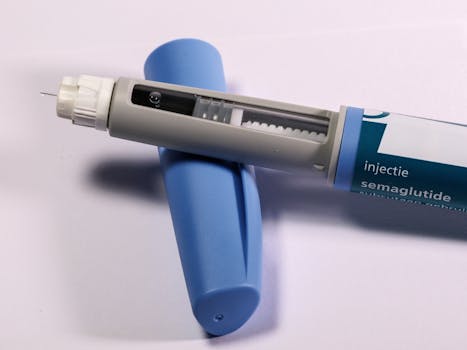
Weight loss medications can absolutely play a role, especially for women dealing with insulin resistance, metabolic changes, or hormonal shifts after 40. Used appropriately, they can:
- Reduce hunger and food noise
- Improve blood sugar regulation
- Create space to make better choices
- Jumpstart momentum when nothing else has worked
But here’s what medication doesn’t do:
- It doesn’t teach balanced nutrition
- It doesn’t address emotional or stress eating
- It doesn’t build habits for life after medication
- It doesn’t account for sleep, stress, or hormones
- It doesn’t prevent muscle loss without guidance
When appetite drops significantly, many women unintentionally under-eat — especially protein and nutrients their bodies need. Others rely solely on the medication without learning how to eat in a way that supports energy, hormones, and long-term success. And that’s where problems begin.
Why This Gap Is Especially Risky for Women Over 40
Midlife weight loss is different. Hormonal changes during perimenopause and menopause affect metabolism, muscle mass, and how the body responds to stress. Without a plan, women on medication may experience:
- Muscle loss, which slows metabolism
- Nutrient deficiencies from eating too little
- Fatigue and weakness, despite weight loss
- Fear of regain when thinking about stopping medication
- An all-or-nothing mindset that erodes confidence
I’ve worked with many women who say, “I’m losing weight, but I don’t feel good,” or “I’m scared because I don’t know how to do this without the medication.” Those feelings don’t mean you’re failing. They mean you were never given the full framework.
Medication Was Never Meant to Replace Education
Weight loss medications work best when they support behavior change, not when they replace it. Ideally, medication creates a window of opportunity where hunger is quieter and focus is clearer. That window is meant to be used to learn:
- How to fuel your body consistently
- How to balance blood sugar
- How to eat without extremes
- How to manage stress and sleep
- How to build habits that last
💡Without guidance, that window often closes without leaving anything behind.
So… Who Should Be Supporting You During Weight Loss?
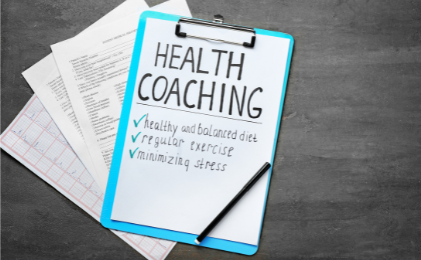
Whether you’re on medication or choosing a non-medication approach, sustainable weight loss requires more than a prescription. You deserve support that addresses the whole picture. That support should include:
- Nutrition guidance adapted to appetite changes
- Mindset coaching to break cycles of guilt and restriction
- Habit-building strategies that fit real life
- Education for maintenance, not just loss
- Whole-health focus, including sleep, stress, and hormones
This is where holistic health coaching comes in …not to replace your medical provider, but to complement your care.
Where to Turn for Weight Loss Help—On or Off Medication
If you’re currently on weight loss medication and feeling unsure (or if you’re trying to lose weight without medication and still struggling), it may be time to look beyond prescriptions alone. A qualified weight loss coach can help you:
- Learn how to eat adequately while appetite is low
- Preserve muscle and metabolic health
- Build confidence around food choices
- Prepare for life after medication
- Create a plan that works whether medication is present or not
At Ample Health & Wellness, I work with women who are on weight loss medication, coming off medication, or choosing a medication-free approach. The goal isn’t perfection or dependency—it’s clarity, confidence, and sustainability.
The Ample Bottom Line
💡Weight loss medication isn’t cheating. And it isn’t the enemy. But it also isn’t the plan.
The most successful weight loss journeys combine the right tools with education, support, and strategy. Because the real measure of success isn’t just the number on the scale. It’s whether you know how to maintain your progress, trust your body, and move forward without fear. The best weight loss plan is the one that still works when the prescription ends. If you’re ready to build that kind of plan, you don’t have to do it alone.
What to Do Next
If you’re on weight loss medication and feel unsure about food, habits, or what comes next, or if you’re trying to lose weight on your own and still feel stuck, support matters. You don’t need another extreme plan. You need guidance that helps you understand your body, build sustainable habits, and feel confident whether medication is part of your journey or not.
That’s exactly the work we do through our coaching and programs at Ample Health & Wellness — helping women over 40 create a realistic, supported approach to weight loss that lasts beyond the prescription.
About the Author: Dr. Kisha Pickford, DNP, is a board-certified nurse practitioner and holistic nutrition weight loss coach at Ample Health & Wellness. She helps women over 40 achieve sustainable weight loss and whole-body wellness through holistic, evidence-based coaching.