Contact Us: (901) 675-6125


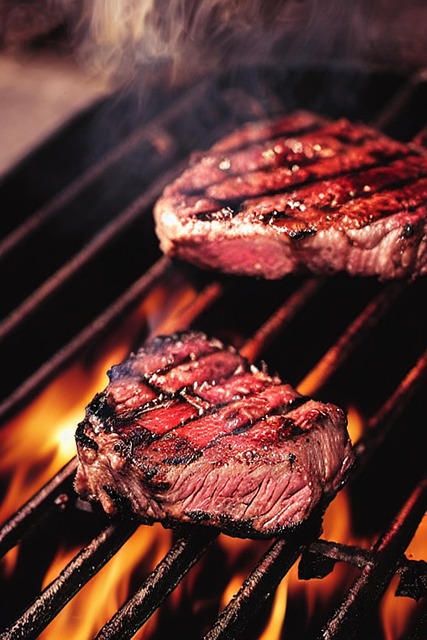
GLP-1 medications have helped many women finally experience appetite control and steady weight loss after years of frustration. But alongside the benefits comes an important consideration that is often overlooked: muscle preservation. For women over 40, losing weight without protecting lean muscle mass can negatively impact metabolism, strength, and long-term health.
Muscle plays a critical role in metabolic health. It helps regulate blood sugar, supports physical function, and contributes to resting energy expenditure. As we age, muscle mass naturally declines (a process known as sarcopenia). Weight loss, particularly rapid weight loss, can accelerate this loss if protein intake and resistance training are inadequate.
How Do GLP-1 Medications Function
GLP-1 weight loss medications reduce appetite, which makes it easier to eat less, but also increases the risk of under-consuming protein. Many women report feeling full after only a few bites, leading to meals that lack adequate protein density. Over time, this can result in muscle loss, fatigue, weakness, and slowed metabolic rate, even as the number on the scale decreases.
Protein is essential for preserving muscle during weight loss. It provides the amino acids needed to maintain lean tissue and supports satiety hormones that help regulate appetite. Research consistently shows that higher protein intake during weight loss helps preserve muscle mass and improve body composition, particularly in midlife and older adults.
Why Protein Matters Most
Women over 40 often need more protein than they realize, especially when actively losing weight. Spreading protein intake evenly across meals is more effective than consuming most protein at dinner. Prioritizing protein at breakfast and lunch can improve energy, reduce cravings, and support muscle maintenance throughout the day.
Resistance training further amplifies the benefits of protein. Strength training sends a signal to the body that muscle tissue is needed, encouraging preservation rather than breakdown. Even two to three sessions per week can make a meaningful difference in strength, balance, and metabolic health.
Inadequate protein intake can also contribute to fatigue, hair thinning, poor recovery, and decreased immune function. These symptoms are sometimes mistaken for medication side effects when they are actually signs of insufficient nourishment. Weight loss should not compromise vitality or functional strength.
The Ultimate Goal of Getting Enough Protein
For women using GLP-1 medications, the goal should be fat loss and not muscle loss. This requires a thoughtful approach that combines adequate protein, regular strength training, hydration, and balanced meals. Eating slowly, choosing protein-dense foods, and planning meals intentionally can help meet nutritional needs despite reduced appetite.
It’s also important to remember that weight loss is only one metric of health. Preserving muscle supports long-term independence, reduces injury risk, and improves quality of life as we age. A scale that moves down while strength disappears is not a win.
An Ample Final Thought
At Ample Health & Wellness, we emphasize sustainable weight loss that protects muscle, metabolism, and overall health. Whether you’re using GLP-1 medications or pursuing lifestyle-based weight loss, supporting your body with adequate protein and movement is essential for lasting results.

About the Author: Dr. Kisha Pickford, DNP, is a board-certified nurse practitioner and holistic nutrition weight loss coach at Ample Health & Wellness. She helps women over 40 achieve sustainable weight loss and whole-body wellness through holistic, evidence-based coaching.