Contact Us: (901) 675-6125


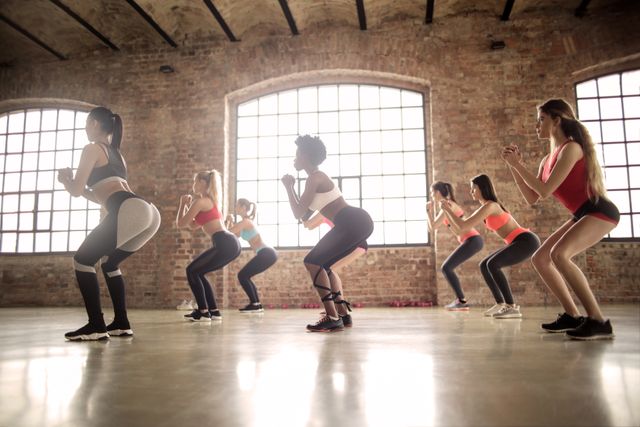
Have you ever decided that you’re finally going to get serious about exercising, only to realize you don’t have anything comfortable to wear? Your leggings keep rolling down. Your sports bra feels like it’s squeezing the life out of you. And the shirt you thought would be perfect suddenly becomes a personal sauna five minutes into your workout. Ladies, sometimes getting started is challenging enough without fighting with our clothes!
For women over 40, finding comfortable workout clothing can become especially important as our bodies change through weight fluctuations, menopause, and the natural aging process. But here’s the good news: You don’t need an expensive fitness wardrobe to become more active. A few practical clothing choices can help make movement more comfortable, whether you’re walking, cycling, practicing yoga, strength training, or returning to exercise after a long break.
Affiliate Disclosure: This article contains affiliate links. If you purchase through these links, Ample Health & Wellness may earn a commission at no additional cost to you. Products are discussed for educational purposes, and I only recommend considering options that fit your individual needs and budget.
Why Comfortable Workout Clothing Matters After 40
As women move through midlife, changes in body composition, breast size, skin sensitivity, and temperature regulation may influence what feels comfortable during exercise. For example, women experiencing menopausal hot flashes may appreciate breathable clothing that allows them to adjust layers.
Women who have experienced significant weight loss may find that their previous sports bras or leggings no longer fit properly. And anyone returning to exercise after a break may discover that comfort matters more than having the trendiest outfit. The right clothing won’t magically improve your fitness, but it may remove some of the small frustrations that make exercise less enjoyable. Let’s look at five essentials worth considering.
1. A Supportive Sports Bra That Fits Your Activity
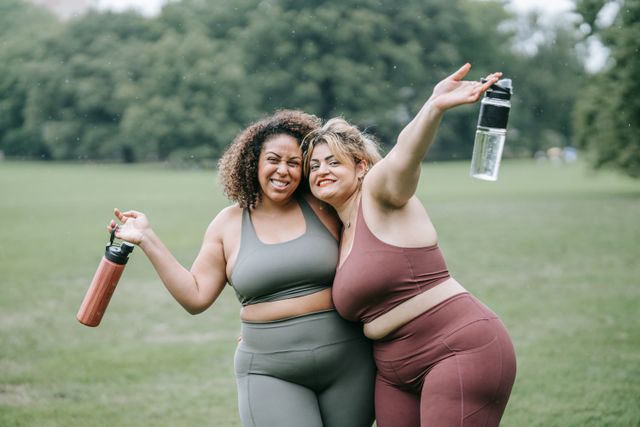
Ladies, this one deserves attention! A sports bra that doesn’t fit properly can make movement uncomfortable, particularly during activities involving jumping, jogging, or repeated upper-body motion. Sports bras generally come in different support levels:
- Lower support may be appropriate for gentle yoga, stretching, and some walking activities.
- Medium support may suit brisk walking, cycling, or certain strength-training routines.
- Higher support is often preferred for running, jumping, and other higher-impact exercise.
However, the appropriate level depends on your breast size, personal comfort, and the bra’s actual fit and not simply the manufacturer’s label.
What about front-zip sports bras?
Some women prefer front closures because they may be easier to put on and remove than tight pull-over styles. One option I noticed while exploring workout apparel is the WANAYOU Zip Front High Impact Sports Bra. The brand offers several colors and markets this style for higher-impact activities. It was listed at approximately $18.99 when I reviewed the collection.
I haven’t personally tested this bra, so I can’t verify its fit, durability, or support during exercise. Still, a front-zip design may be worth exploring if traditional sports bras are inconvenient. When shopping, look for a secure closure, comfortable band, straps that don’t dig into your shoulders, and support that feels appropriate during movement.
2. Leggings or Workout Pants That Stay in Place
Have you ever spent half your workout pulling up your leggings? That can get old quickly. When choosing workout pants, consider:
- A waistband that stays comfortable when you bend or sit.
- Fabric that stretches without becoming excessively sheer.
- Enough room for the movements you plan to perform.
- A length that works for your activity and the weather.
High-waisted leggings are popular, but they aren’t automatically better for everyone. Some women prefer a higher waistband, while others find it restrictive. The best option is the one that lets you move comfortably without constant adjustment. And remember, you don’t have to wear leggings at all. Comfortable shorts, joggers, or athletic pants can work just as well.
3. Breathable Workout Tops
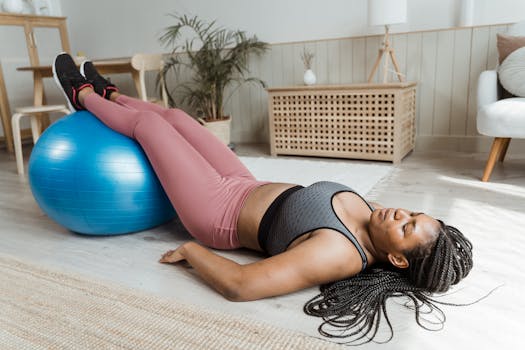
Temperature changes can make exercise feel different during midlife. If you’re experiencing hot flashes or sweating more than usual, breathable clothing may improve comfort. Look for lightweight fabrics and consider whether you prefer loose-fitting or more fitted tops.
WANAYOU also offers halter tank tops with built-in bras, which may appeal to women who prefer a coordinated top for lower-impact activities. Just remember that a built-in bra may not provide sufficient support for everyone, particularly during high-impact exercise. A separate sports bra may still be necessary. The brand’s collection also includes longer-sleeved athletic shirts for women who prefer more coverage.
4. Layers for Changing Temperatures
This is especially useful when exercising outdoors. You might start a morning walk feeling chilly and become warm ten minutes later. Instead of wearing one heavy layer, consider clothing you can adjust as your body temperature changes. A lightweight long-sleeved shirt over a breathable top may work well.
WANAYOU’s Seamless Thumbhole Long-Sleeve Shirts are one example of an athletic layering option. The styles shown in its collection were priced at approximately $18.99–$24.99 when reviewed. Thumbholes are a personal preference, but some women appreciate sleeves that stay in place during walking or other movement. Whatever you choose, dress for the weather and avoid overheating.
5. Shoes That Match Your Movement
You don’t necessarily need multiple pairs of expensive athletic shoes. But footwear should be appropriate for what you’re doing. Walking shoes, running shoes, and shoes designed for lateral movement may differ in cushioning, flexibility, and stability. For example, running involves different repetitive forces than activities requiring frequent side-to-side movement.
Comfortable, well-fitting shoes can help you move with greater confidence. If you have persistent foot pain, balance problems, or other mobility concerns, consider seeking individualized footwear guidance. And don’t assume the most expensive shoe is automatically the best one for your feet.
Exploring WANAYOU Workout Apparel
While researching affordable workout clothing, I came across WANAYOU, a women’s activewear company offering sports bras, tank tops, long-sleeved shirts, leggings, and other fitness clothing. The collection includes several styles that may appeal to women beginning or restarting a fitness routine.
What I appreciate about browsing a full collection is that readers can compare different options rather than being directed toward one specific product. Some women may be looking for a front-zip sports bra. Others may simply want a comfortable workout shirt or an additional layer for cooler weather.
WANAYOU is one shopping option, not a requirement for successful exercise. I haven’t personally tested its apparel, and product availability, sizing, and prices may change.
Interested in seeing the collection?

Before You Buy: Five Questions to Ask Yourself
Before purchasing workout clothing, consider what you actually need.
- What activities will I be doing most often?
- Does this clothing fit my current body comfortably?
- Will the fabric and design work for my usual exercise environment?
- Can I move freely without adjusting my clothing constantly?
- Does the purchase fit my budget?
These questions can help prevent buying clothing that looks great online but ends up sitting in a drawer. And ladies, if you already have comfortable workout clothes, use them! You don’t have to buy something new every time you begin a new fitness goal.
The Bigger Goal: Making Movement a Sustainable Habit
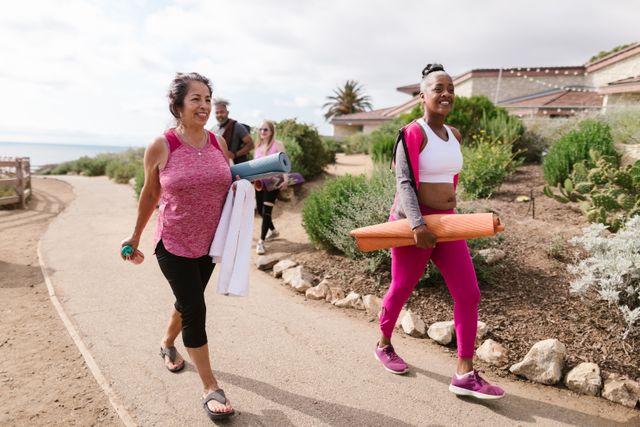
According to the Centers for Disease Control and Prevention, adults generally benefit from at least 150 minutes of moderate-intensity aerobic activity each week, along with muscle-strengthening activities on two or more days. But if you’ve been inactive, you don’t have to reach those goals overnight. Start with what is manageable for your current fitness level.
That might mean ten minutes of walking, a short bike ride, gentle stretching, or a beginner strength-training session. Then gradually build consistency. This connects directly to the E — Elevate Habits pillar of my FRESH Framework at Ample Health & Wellness.
We want to create routines that make healthy choices easier to repeat. Sometimes that means laying out your workout clothes the night before. Sometimes it means finding a movement you actually enjoy. And sometimes it means realizing you don’t need to look like a fitness influencer to take care of your body.
Final Ample Thoughts
If you’re planning to begin exercising after 40, or you’re ready to restart after some time away, don’t let your clothing become another obstacle. Choose a supportive sports bra, comfortable bottoms, breathable tops, practical layers, and appropriate shoes. You can explore brands such as WANAYOU if you’re shopping for new workout apparel, but remember that fit and comfort matter more than labels.
And here’s what I really want you to remember: You don’t need the perfect outfit, the perfect body, or the perfect Monday to begin moving. Start where you are. Wear what works. And build from there. Your health deserves the effort, regardless of what size is printed on your clothing.
📚References
Centers for Disease Control and Prevention. (n.d.). Adult activity: An overview. https://www.cdc.gov/physical-activity-basics/guidelines/adults.html
National Institute on Aging. (n.d.). Exercising with chronic conditions. https://www.nia.nih.gov/health/exercise-and-physical-activity
WANAYOU. (n.d.). Women’s activewear collections. https://www.wanayou.com/
👩🏾⚕️About the Author
Dr. Kisha Pickford, DNP, ACNP-BC, is a board-certified nurse practitioner, holistic nutrition weight-loss coach, GLP-1 lifestyle integration coach, and founder of Ample Health & Wellness. She helps women over 40 build sustainable wellness habits through evidence-informed education, practical lifestyle strategies, and whole-health support.