Contact Us: (901) 675-6125



Many women over 40 feel frustrated by stubborn belly fat that seems resistant to every diet and exercise plan they try. It’s common to hear the term “cortisol belly” online, often paired with dramatic claims that certain foods are directly causing weight gain and hormonal imbalance. The truth is more nuanced.
Cortisol itself is not a bad hormone. In fact, it’s essential for survival. Cortisol helps regulate blood sugar, energy, inflammation, and the body’s stress response. The problem occurs when stress becomes chronic and the body remains in a constant state of activation.
After 40, hormonal shifts, poor sleep, chronic stress, and inconsistent eating habits can all influence cortisol patterns. Over time, elevated stress hormones may contribute to increased abdominal fat storage, cravings, fatigue, and metabolic changes. While no single food “causes” cortisol problems on its own, certain eating patterns can make it harder for the body to maintain balance.
How Blood Sugar and Cortisol Work Together
One of the biggest drivers of cortisol fluctuations is unstable blood sugar. When blood sugar rises quickly and then crashes, the body responds by releasing stress hormones (including cortisol) to help stabilize energy levels. Repeated spikes and crashes throughout the day can leave women feeling tired, irritable, hungry, and more likely to crave sugar or processed foods.
Over time, this cycle may contribute to insulin resistance and make weight management more difficult. This is one reason why many women notice increased belly fat during periods of stress, poor sleep, or inconsistent eating.
Foods & Habits That May Contribute to Cortisol Dysregulation

1. Highly processed foods – Ultra-processed foods are often low in fiber and protein while high in refined carbohydrates and additives. These foods digest quickly, increasing the likelihood of blood sugar spikes and crashes. They also tend to be less satisfying, which can contribute to overeating and cravings later.
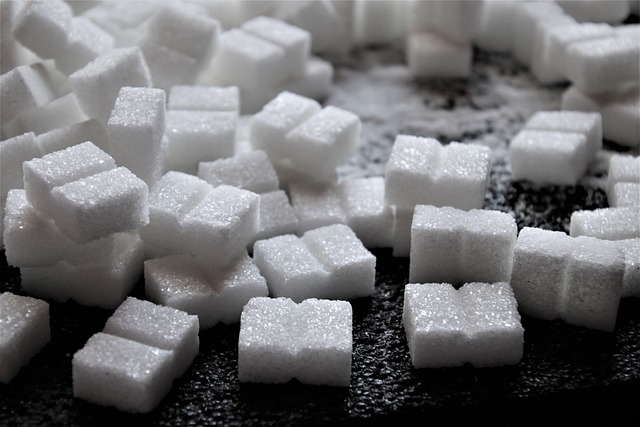
2. Excess sugar intake – Sugar itself is not inherently “toxic,” but large amounts of added sugar, especially when consumed without protein or fiber, can rapidly increase blood sugar levels. This repeated cycle of spikes and crashes places additional stress on the body over time.
3. Skipping meals or under-eating – Many women trying to lose weight unintentionally under-eat, especially during stressful periods or while taking GLP-1 medications. Long periods without nourishment may increase cortisol levels in some individuals, particularly when combined with poor sleep or chronic stress.

4. Excess alcohol
Alcohol can disrupt sleep quality, increase inflammation, and affect blood sugar regulation. While occasional intake may fit into a balanced lifestyle for some individuals, excessive intake can place additional stress on the body.
What Does Research Suggest?
Research shows that chronic stress and poor sleep are strongly associated with increased abdominal fat accumulation and metabolic dysfunction. Stable blood sugar and balanced meals may help support more consistent energy and appetite regulation. Additionally, diets rich in fiber, whole foods, and adequate protein have been associated with improved metabolic health and reduced inflammation.
💡The goal is not perfection…. it’s reducing unnecessary stress on the body where possible.
What to Focus on Instead
Rather than obsessing over “cortisol foods,” focus on supportive habits that help regulate stress and blood sugar. Helpful strategies include:
- Eating balanced meals with protein and fiber
- Avoiding long periods without food
- Improving sleep consistency
- Managing stress through movement, prayer, mindfulness, or rest
- Reducing reliance on ultra-processed foods
💡Small, sustainable changes are often more effective than extreme approaches.
Why This Matters After 40
Hormonal changes during perimenopause and menopause already place additional stress on metabolism and body composition. Chronic stress layered on top of these changes can make women feel like their bodies are working against them. But this doesn’t mean your body is broken. Understanding how stress, blood sugar, and lifestyle interact can help you make more informed choices that support long-term health rather than temporary restriction.

Where a Nutrition Audit Can Help
If you’re unsure whether your current eating habits are helping or hurting your energy, metabolism, or stress levels, you’re not alone…. My Holistic Weight Loss Nutrition Audit helps women over 40 take a closer look at their current patterns and identify realistic adjustments that support sustainable weight loss and overall wellness.
💡Sometimes the issue isn’t lack of effort—it’s simply not knowing where the gaps are.
A FRESH Start Perspective
At Ample Health & Wellness, I use the FRESH framework to help women build supportive habits that work with the body, not against it.
- F – Food & Foundations: building balanced meals that support metabolism
- R – Rewire the Mindset: moving away from fear-based dieting
- E – Elevate Habits: small changes that reduce stress on the body
- S – Simplify the Environment: creating realistic routines
- H – Honor Whole Health: recognizing the connection between stress, hormones, and weight
How Ample Health & Wellness Can Support You
If you’re feeling stuck, overwhelmed, or confused about what your body needs after 40, you don’t have to figure it out alone. Through my Nutrition Audit and FRESH Start programs, I help women identify sustainable strategies that support energy, metabolism, and long-term wellness—without extreme dieting.

About the Author: Dr. Kisha Pickford, DNP, is a board-certified nurse practitioner and holistic nutrition weight loss coach at Ample Health & Wellness. She helps women over 40 achieve sustainable weight loss and whole-body wellness through holistic, evidence-based coaching.
📚References
- Epel, E. S., et al. (2018). Stress and body shape: stress-induced cortisol secretion. Psychoneuroendocrinology.
- Hall, K. D., et al. (2019). Ultra-processed diets and calorie intake. Cell Metabolism.
- St-Onge, M. P., et al. (2016). Sleep duration and metabolic health. Sleep Health.