Contact Us: (901) 675-6125



Gut health has become one of the most talked about areas of wellness. Probiotics, prebiotics, fermented foods, microbiome testing, detoxes, cleanses, and supplements are everywhere. But supporting digestive wellness doesn’t have to be complicated.
As a nurse practitioner and holistic nutrition weight loss coach, I encourage women to start with the foundation before reaching for the latest wellness trend. Your digestive system is influenced by what you eat, but it is also affected by hydration, movement, sleep, stress, medications, and other aspects of your overall health. And for women over 40, some of those factors begin to change.
The goal isn’t to achieve a “perfect gut.” There really isn’t such a thing. The goal is to develop consistent habits that support digestion, metabolic health, and whole-body wellness…. and to recognize when digestive symptoms deserve a closer look. In this article, we will explore 10 evidence-informed habits worth considering.
Why Digestive Wellness Deserves More Attention After 40
Your gastrointestinal tract does far more than simply process yesterday’s dinner. It breaks food into nutrients your body can absorb and use. The intestinal tract also contains a complex community of microorganisms collectively referred to as the gut microbiome.
Research continues to explore how the gut microbiome interacts with metabolism, immune function, inflammation, and other aspects of human health. At the same time, it is important not to turn emerging microbiome science into exaggerated wellness claims. We don’t need to “hack” the microbiome. We can begin by taking good care of the body that houses it.
Women may also notice digestive changes during midlife. Hormonal changes are one piece of a much larger picture that can include changing activity levels, stress, sleep disruption, dietary patterns, medications, and medical conditions. That’s why I prefer looking at digestive wellness through a whole-person lens.
1. Build Your Meals Around Fiber-Rich Foods
Fiber is one of the most important components of a gut-supportive eating pattern. Dietary fiber can help support bowel regularity, while certain fermentable fibers provide substrates that gut microorganisms can use. Instead of immediately buying a fiber supplement, start by looking at your plate.
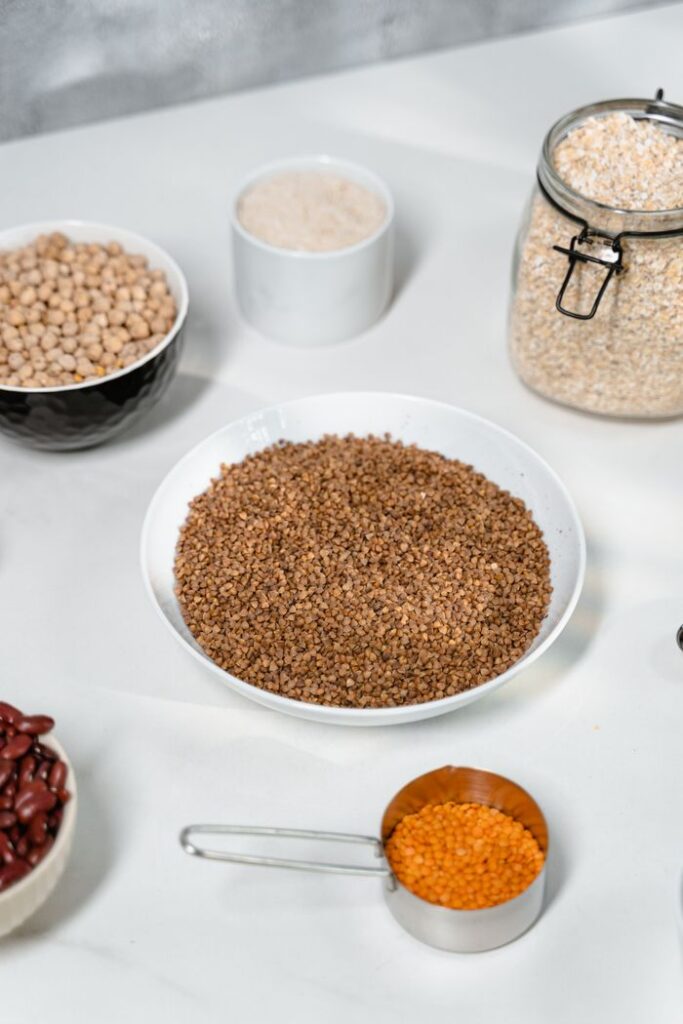
Fiber-rich choices include:
- Beans and lentils
- Vegetables
- Berries and other fruits
- Oats
- Whole grains
- Nuts
- Seeds
The Dietary Guidelines for Americans recommend approximately 22–34 grams of fiber per day for adults, depending on age and sex. However, if your current intake is low, don’t jump from very little fiber to a large amount overnight. Increase it gradually and pair that increase with adequate fluids. Your digestive system may appreciate the slower transition.
2. Make Hydration Part of Your Routine

Hydration and digestion work together. Adequate fluids help support normal body functions and are particularly important as you increase dietary fiber. Rather than relying on thirst alone or becoming fixated on a perfect number of ounces, establish routines that make hydration easier.
Try drinking water when you wake up, keeping a bottle near you during the day, drinking with meals, and choosing water more frequently in place of sugar-sweetened beverages. Individual fluid needs vary, particularly for people with certain medical conditions, so recommendations aren’t one-size-fits-all.
3. Don’t Forget Protein After 40

Protein isn’t typically marketed as a “gut health” nutrient, but digestive wellness shouldn’t be separated from the rest of your nutritional needs. Protein becomes especially important as we age because maintaining muscle is an important part of healthy aging, mobility, and metabolic wellness.
Try building meals around a quality protein source such as fish, poultry, eggs, Greek yogurt, cottage cheese, beans, lentils, tofu, or another option appropriate for your eating pattern. One simple meal-building strategy I like is asking:
Where is my protein? Where is my fiber? Where is my color?
Those three questions can make balanced meal planning much simpler.
4. Give Your Gut Some Variety

Your digestive system doesn’t need one magical “superfood.” A varied eating pattern provides different nutrients, fibers, and plant compounds. Think beyond eating broccoli every night because broccoli is “healthy.” Rotate vegetables. Try different fruits. Experiment with beans, lentils, nuts, seeds, and whole grains.
You don’t need 30 different plants on your plate tonight. Simply start introducing more variety across the week.
5. Move for More Than Weight Loss
Exercise is frequently discussed as a way to burn calories, but movement contributes to health in many other ways. Regular physical activity supports cardiovascular health, muscle, mobility, metabolic health, mental well-being, and normal gastrointestinal function. And exercise doesn’t have to happen in a gym.

- Walking counts.
- Gardening counts.
- Dancing in your living room counts.
- Strength training counts.
- A short walk after a meal can be an easy place to begin.
For women over 40, I especially encourage thinking about movement as something you do for your future body, not simply something you do to make today’s number on the scale smaller.
6. Put Sleep Back Into the Wellness Conversation

Nutrition and exercise tend to receive most of the attention when people decide to improve their health. Sleep often gets whatever time is left. That matters because inadequate sleep can affect appetite, energy, mood, food choices, and the motivation to be physically active.
Sleep and the gut microbiome are also an active area of scientific research, although we should be careful about overstating what is currently known. What we do know is that adequate sleep is an important part of overall health.
Try maintaining relatively consistent sleep and wake times, reducing stimulation close to bedtime, and creating a sleep environment that encourages rest.
7. Respect the Gut-Brain Connection
Have you ever received stressful news and immediately felt your stomach tighten? That’s not imaginary. The gastrointestinal tract and central nervous system communicate bidirectionally through what is commonly called the gut-brain axis.
Stress can affect digestive symptoms, and digestive problems can contribute to stress. That doesn’t mean every digestive complaint is “just stress.” Persistent symptoms still deserve appropriate medical evaluation. But it does mean stress management belongs in a comprehensive digestive wellness plan.
Your strategy might include prayer, meditation, journaling, deep breathing, counseling, spending time outdoors, exercise, or simply establishing better boundaries around your time. Find what works for you.
8. Slow Down and Pay Attention to Your Meals

Eating has become another activity we multitask. We eat while driving, answering emails, watching television, or scrolling through our phones. Mindful eating doesn’t require a special program.
- Start by sitting down when possible.
- Chew your food.
- Taste your food.
- Notice when hunger begins to fade.
- And pay attention to how different foods make you feel.
That doesn’t mean obsessively tracking every sensation or eliminating entire food groups because you felt bloated once. It simply means becoming more aware of your body’s patterns.
9. Remember That Food Safety Is Part of Gut Health

We recently discussed the attention surrounding Cyclospora, a parasite that can cause prolonged watery diarrhea after exposure to contaminated food or water. Stories like that provide an important reminder: digestive wellness isn’t only about the microbiome. Food safety matters too.
Wash your hands before preparing food. Clean produce appropriately. Prevent cross-contamination between raw meats and ready-to-eat foods. Refrigerate perishable foods promptly and pay attention to public health food recalls. Those basic practices may not be trendy enough for social media, but they’re an important part of protecting your health.
10. Be Skeptical of Detoxes, Cleanses, and “Miracle” Gut Products

This may be the habit I want women to remember most. You don’t need to purchase every product marketed as a gut reset. You don’t automatically need a parasite cleanse because you saw a frightening story online. And you don’t necessarily need a cabinet filled with supplements to have a healthy lifestyle.
Some individuals may benefit from specific supplements depending on their diet, health history, medications, laboratory findings, or other circumstances. But supplementation should have a purpose.
Food and lifestyle remain the foundation.
At Ample Health & Wellness, that’s why I prefer evaluating the bigger picture first. When supplements are appropriate, they should complement—not replace—the fundamentals of nutrition and healthy living.
What About Probiotics?

This deserves its own discussion because probiotics have almost become synonymous with gut health. Probiotics are live microorganisms that may provide a health benefit when administered in adequate amounts. But different probiotic strains aren’t interchangeable, and evidence varies depending on the condition and product being studied.
That means asking, “Should I take a probiotic?” doesn’t always have a simple yes-or-no answer. For some people and situations, a particular probiotic may be useful. For others, focusing on dietary variety and fiber-rich foods may be the more appropriate starting point.
If you have a medical condition, take medications, are immunocompromised, or have persistent gastrointestinal symptoms, discuss supplementation with an appropriate healthcare professional.
When Digestive Symptoms Need More Than a Wellness Plan
Healthy habits are valuable, but they aren’t a substitute for medical evaluation. Contact your healthcare provider if you’re experiencing persistent or worsening digestive symptoms, particularly symptoms such as:
- Blood in the stool
- Black or tarry stool
- Persistent diarrhea
- Severe or worsening abdominal pain
- Repeated vomiting
- Difficulty swallowing
- Unexplained weight loss
- Signs of dehydration
- Significant changes in bowel habits that don’t resolve
A wellness article or a wellness assessment cannot determine the cause of those symptoms. Sometimes the appropriate next step isn’t changing your diet. It’s getting evaluated.
Start With Awareness: Take the Free Gut Wellness Self-Assessment

If you’re wondering how well your everyday habits are supporting your digestive wellness, I’ve created a simple place to start. The Ample Gut Wellness Self-Assessment takes about two minutes and looks at several areas we’ve discussed here, including nutrition, fiber, hydration, movement, sleep, stress, and other lifestyle habits.
There is no pass or fail. The purpose is to help you recognize what you’re already doing well and identify one or two areas that might deserve more attention.
Take the Free Ample Gut Wellness Self-Assessment
Your score isn’t a diagnosis. It’s simply a snapshot and sometimes a snapshot is all we need to decide what our next healthy choice should be.
When You Want a More Personalized Look
If your assessment makes you realize that you’d like to take a deeper look at your digestive wellness, that’s where the Gut Wellness Audit can come in. Rather than handing everyone the same generic list of foods or supplements, the goal is to look more closely at your nutrition and lifestyle patterns and help identify practical opportunities for improvement.
And if supplementation appears appropriate as part of someone’s individualized wellness plan, that’s also where professional-grade options through Fullscript may fit. Supplements are not the starting point. Understanding the person is. That’s an important distinction in how I approach wellness at Ample.
The FRESH Start Approach to Gut Wellness
Digestive wellness fits naturally within the FRESH Start Framework I use at Ample Health & Wellness:
- Food & Foundations: Build meals around nourishing foods, adequate fiber, protein, hydration, and variety.
- Rewire Mindset: Move away from all-or-nothing thinking, fear-based nutrition, and the belief that you need the newest wellness product to be healthy.
- Elevate Habits: Strengthen the routines that support your health—movement, sleep, stress management, and mindful eating.
- Simplify Environment: Make healthy choices easier through meal planning, food safety, accessible nutritious foods, and realistic routines.
- Honor Whole Health: Remember that your gut isn’t separate from the rest of you. Digestive health exists alongside metabolic health, emotional wellness, sleep, hormones, medications, medical conditions, and your everyday life.
Your Gut Doesn’t Need Perfection
If you take only one thing from this article, let it be this:
Healthy digestion isn’t built through one perfect meal, one supplement, or one seven-day reset.
It’s supported by what you do consistently. Maybe your next step is adding beans to lunch twice this week. Maybe it’s drinking more water. Maybe it’s taking a walk after dinner. Maybe it’s finally addressing the sleep you’ve been neglecting.
Or maybe it’s recognizing that persistent digestive symptoms need professional evaluation rather than another home remedy. Wherever you’re starting, choose the next reasonable step. Then build from there.
Continue Your Wellness Journey
If you’re ready to begin, take the free Gut Wellness Self-Assessment and use your results to identify one habit you can strengthen this week.
For women who want a more personalized review, the Gut Wellness Audit offers an opportunity to take a deeper look at nutrition and lifestyle patterns and determine appropriate next steps.
And if you’d simply like to keep learning, join Wellness Weekly for practical, evidence-informed guidance on nutrition, metabolic health, weight management, digestive wellness, and healthy living after 40.
Because wellness isn’t about doing everything at once. It’s about learning your body, strengthening your foundation, and continuing to move forward.
About the Author
Dr. Kisha Pickford, DNP, is a board-certified nurse practitioner and holistic nutrition weight loss coach at Ample Health & Wellness. She helps women over 40 achieve sustainable weight loss and whole-body wellness through holistic, evidence-based coaching.
Medical Disclaimer
This article is provided for educational and informational purposes only and is not intended to diagnose, treat, cure, or prevent any disease or replace individualized medical advice. Always consult an appropriate healthcare professional regarding persistent digestive symptoms, medical conditions, medications, supplements, or significant dietary changes.
References
- National Institute of Diabetes and Digestive and Kidney Diseases — digestive health and dietary fiber resources
- USDA/HHS — Dietary Guidelines for Americans
- National Center for Complementary and Integrative Health — probiotics guidance
- American Gastroenterological Association — probiotics and digestive health
- CDC/FDA — food safety guidance