Contact Us: (901) 675-6125


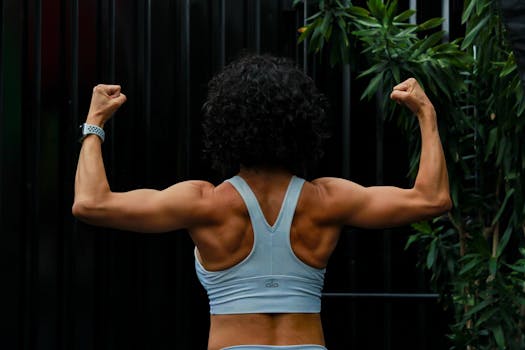
If you’ve spent any time on social media, you’ve probably heard of the 75 Hard Challenge. Participants commit to 75 consecutive days of following a strict set of rules, including two daily workouts, drinking a gallon of water, following a diet plan, reading personal development material, and taking daily progress photos. Miss a day, and the challenge starts over from day one.
Many people praise the program for helping them build discipline, lose weight, and improve confidence. Others argue that it can encourage an all-or-nothing mindset that may not be realistic—or healthy—for everyone.
As a nurse practitioner and wellness professional, I believe the answer lies somewhere in the middle. The question isn’t whether 75 Hard is good or bad. The question is whether it is the right fit for you.
Why the 75 Hard Challenge Appeals to So Many People
One reason the challenge has become so popular is that it provides structure. Many people feel overwhelmed by conflicting health advice and appreciate having clear expectations. The challenge removes decision fatigue and creates a daily routine centered around self-improvement.
For some individuals, this level of accountability can be motivating. Participants often report improvements in consistency, confidence, and personal discipline. There is value in learning to keep commitments to yourself. However, structure and discipline are not the same thing as sustainable health.
What Women Over 40 Need to Consider

Women in midlife face unique challenges that are often missing from conversations about wellness challenges. Hormonal shifts, career demands, caregiving responsibilities, stress, sleep disruptions, and recovery needs all influence how the body responds to exercise and lifestyle changes. A program that works well for a healthy 25-year-old may not always be appropriate for a woman navigating menopause, chronic stress, or a demanding schedule. This doesn’t mean women over 40 cannot challenge themselves. It simply means that health should be approached with a broader perspective.
The Potential Benefits of 75 Hard
There are aspects of the challenge that align with healthy habits. Participants may:
- Increase daily movement
- Drink more water
- Reduce alcohol consumption
- Improve consistency
- Spend time on personal growth
- Become more intentional with their health choices
These habits can support wellness when approached appropriately. The concern arises when consistency turns into rigidity.
The Potential Downsides
One of the biggest concerns I have with programs like 75 Hard is the all-or-nothing mentality. Because… life happens.
People get sick.
Work schedules change.
Family responsibilities arise.
Recovery becomes necessary.
A single missed workout should not erase 30, 40, or 60 days of positive habits. For some women, repeatedly “starting over” can create feelings of failure rather than progress.
Another consideration is recovery.
Two workouts every day for 75 days may not be appropriate for everyone, particularly women who are new to exercise, managing joint pain, experiencing hormonal changes, or already under significant stress. Rest is not weakness. Recovery is part of health.
More Exercise Is Not Always Better
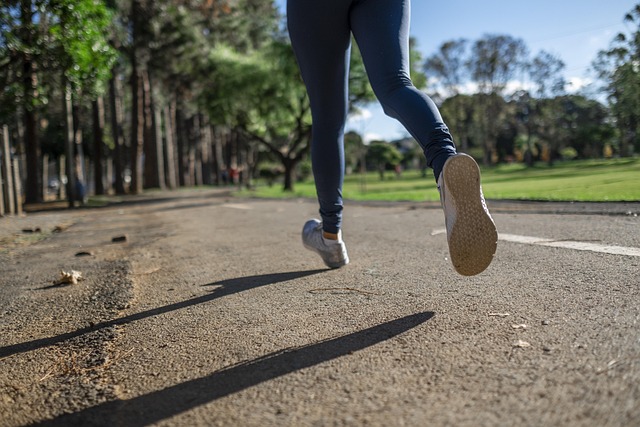
Many women assume that the fastest way to improve health is to do more.
More exercise.
More restriction.
More discipline.
But wellness after 40 often requires a different approach. The goal is not simply to do more. The goal is to do what your body can recover from and sustain.
Research consistently shows that regular movement, resistance training, adequate sleep, stress management, and balanced nutrition contribute to long-term health outcomes. Those benefits do not require extreme challenges.
A More Sustainable Alternative
Instead of asking: “What is the hardest thing I can do for 75 days?”
Consider asking: “What healthy habits can I maintain for the next 75 weeks?”
That question shifts the focus from short-term intensity to long-term consistency. For many women, sustainable habits may include:
- Walking most days of the week
- Strength training two to three times weekly
- Improving sleep routines
- Eating balanced meals
- Managing stress
- Staying hydrated
- Practicing self-compassion
These habits may not trend on social media, but they are often the habits that create lasting change.
Where a Nutrition Audit Can Help
Many women start challenges because they feel stuck. They want a reset. They want clarity. Sometimes what is needed is not another challenge but a better understanding of current habits.
My Root Cause Weight Loss & Wellness Audit helps women over 40 identify gaps in nutrition, meal balance, protein intake, hydration, and lifestyle patterns so they can create realistic strategies that support long-term success. Awareness often creates more progress than extremes.
A FRESH Start Perspective
At Ample Health & Wellness, I use the FRESH Start Framework to help women build sustainable health habits:
F – Food & Foundations: Creating balanced nutrition habits.
R – Rewire the Mindset: Moving away from perfection and toward progress.
E – Elevate Habits: Building routines that support long-term success.
S – Simplify Your Environment: Making healthy choices easier.
H – Honor Whole Health: Supporting physical, emotional, and mental well-being.
The goal is not to win a challenge. The goal is to build a healthier life.
Final Ample Thoughts
If the 75 Hard Challenge inspires you to become more intentional with your health, there may be valuable lessons to learn from it. But remember that wellness is not a contest.
Health after 40 is rarely built through perfection. More often, it is built through small, consistent actions repeated over time. You do not need extreme habits to create meaningful results. You simply need habits that you can sustain.

About the Author: Dr. Kisha Pickford, DNP, is a board-certified nurse practitioner and holistic nutrition weight loss coach at Ample Health & Wellness. She helps women over 40 achieve sustainable weight loss and whole-body wellness through holistic, evidence-based coaching.
📚References
- Piercy, K. L., et al. (2018). The Physical Activity Guidelines for Americans. JAMA.
- Bull, F. C., et al. (2020). World Health Organization guidelines on physical activity and sedentary behavior. British Journal of Sports Medicine.
- American College of Sports Medicine. (2023). Exercise recommendations for healthy adults.