Contact Us: (901) 675-6125


Every time I think I’ve heard about every possible wellness trend, social media introduces another one. This time, it was salt stepping. And yes, I had to look that one up. From standing barefoot on salt to wrapping the abdomen in castor oil, taping the mouth shut before bed, and drinking powdered greens, wellness advice continues to spread across TikTok and other social platforms.
Some of these practices are relatively harmless for many people. Others make claims that go far beyond the available research. A few may even create unnecessary health risks. As a nurse practitioner and holistic nutrition weight loss coach, I don’t believe we should dismiss every unconventional wellness practice simply because it becomes popular online. But I do believe women deserve to understand what a trend promises, what the research actually supports, and whether the potential benefits justify the risks.
That’s especially important after 40, when conversations about menopause, metabolism, sleep, weight management, and healthy aging become increasingly relevant. Let’s look at four wellness trends circulating in 2026 and separate the potentially useful ideas from the hype.
1. Salt Stepping: Can Standing on Salt Improve Sleep?
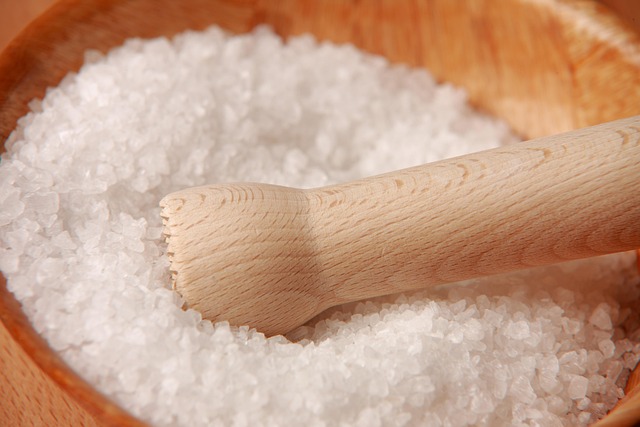
Salt stepping, sometimes called salt stomping, involves standing barefoot on a tray of coarse salt, often Epsom salt, for several minutes before bedtime. Supporters claim the practice promotes relaxation, reduces cortisol, improves sleep, and helps regulate the nervous system. I understand why something like this catches attention. Many women are exhausted, overstimulated, and looking for simple ways to unwind. But there is an important distinction between a practice that feels relaxing and one that has demonstrated physiological benefits.
There is currently no convincing clinical evidence that standing barefoot on salt lowers cortisol, improves sleep quality, or meaningfully increases magnesium absorption through the skin. Epsom salt contains magnesium sulfate, but that doesn’t establish that magnesium is absorbed in clinically meaningful amounts through the feet. Could someone feel calmer after spending ten quiet minutes away from her phone, concentrating on physical sensations, and allowing herself to relax? Absolutely. But the calming effect may come from the intentional pause rather than the salt.
There’s also a practical safety consideration. Coarse crystals may irritate or injure sensitive feet. Women with neuropathy, reduced foot sensation, wounds, or significant circulation problems should avoid activities that could damage their skin.
The Ample Reality Check: A calming bedtime ritual may be useful. Standing on salt is not an evidence-based treatment for insomnia, elevated cortisol, or magnesium deficiency.
2. Castor Oil Belly Wraps: Can They Shrink Your Stomach?
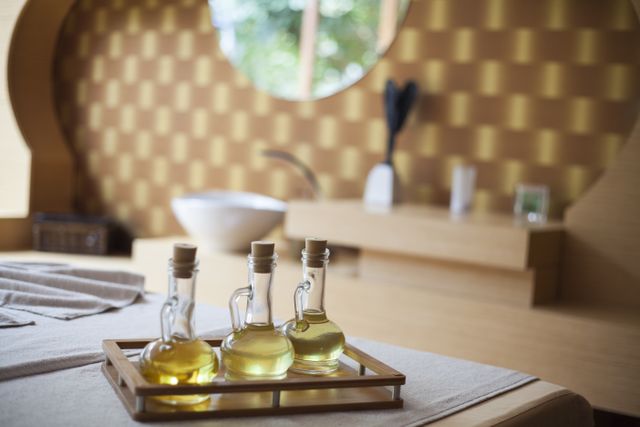
This particular trend caught my attention for a different reason. It actually followed me into the emergency department. I once cared for a woman who came in with a rash concentrated around her abdomen.
During our conversation, she explained that she had been applying castor oil to her stomach and wrapping the area after seeing the practice promoted on social media. She believed the wrap was helping make her stomach smaller. And I remember thinking, Castor oil? That’s what Grandma used to pull out when somebody was sick! But this experience also raised two important questions.
First, could the oil, wrapping material, or another component of the practice be irritating her skin? Second, was there any reliable evidence that applying castor oil to the abdomen could reduce abdominal fat? I couldn’t establish during that emergency visit exactly what caused her reaction. I addressed the skin problem, recommended appropriate follow-up, and advised discontinuing the wrap until the source of irritation could be evaluated. What stayed with me was how confidently she believed the treatment was changing her abdomen.
What Does the Research Say?
Castor oil comes from the seeds of the castor plant and has a history of use in traditional remedies. Its established medical use as an oral stimulant laxative is very different from applying it to the skin. There is no convincing clinical evidence that topical castor oil packs reduce visceral fat, eliminate abdominal fat, detoxify the liver, or balance hormones. And the fact that a person notices a temporary change in abdominal appearance doesn’t establish that fat tissue has been lost.
Bloating, bowel habits, measurement timing, and other factors can influence how the abdomen looks or feels. Castor oil and materials used with it can also irritate the skin or trigger contact reactions in susceptible individuals. This is why I remind women that natural doesn’t automatically mean harmless.
The Ample Reality Check: A topical oil is not a demonstrated treatment for abdominal fat. And if a product causes redness, itching, burning, or a rash, continuing to use it because someone online promises results is not a good trade-off.
3. Mouth Taping: A Better Night’s Sleep or an Unnecessary Risk?

Mouth taping is another wellness practice that has gained attention through social media. The idea is straightforward: apply tape over the lips before sleeping to encourage nasal breathing. Supporters claim it reduces snoring, improves sleep, prevents dry mouth, and sometimes even enhances facial appearance. Nasal breathing is normal and beneficial. But that doesn’t mean physically preventing mouth breathing during sleep is appropriate for everyone.
A 2025 systematic review examined ten studies involving 213 participants. Researchers found limited evidence of benefit and identified potential safety concerns, particularly for individuals with nasal obstruction or sleep disordered breathing.
This is especially important because snoring isn’t always a harmless annoyance. It can be a symptom of obstructive sleep apnea, a condition that becomes increasingly relevant for women during and after menopause. If someone has difficulty breathing through her nose, covering her mouth may create additional problems rather than solve the underlying issue. Persistent snoring, gasping during sleep, morning headaches, or excessive daytime sleepiness deserve appropriate evaluation.
The Ample Reality Check: Nasal breathing matters, but mouth taping is not an established treatment for sleep apnea or chronic sleep problems. A breathing concern deserves assessment, not simply another nighttime hack.
4. Greens Powders: Are They Really Better Than Vegetables?
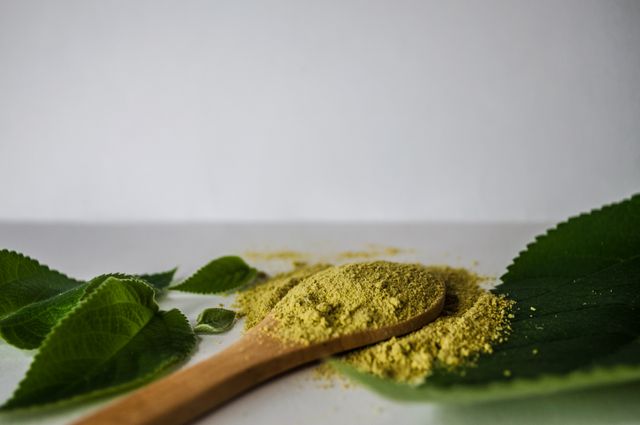
Unlike some of the other trends, greens powders may offer a practical nutritional benefit in certain circumstances. These products often combine powdered vegetables, fruits, algae, vitamins, minerals, and other ingredients. They’re marketed as convenient ways to improve nutrition, support digestion, boost energy, and sometimes even promote detoxification. The convenience is understandable.
For a woman balancing work, family, caregiving, and her own health, a scoop of powder can sound much easier than preparing vegetables. But convenience shouldn’t be confused with nutritional equivalence.
Whole vegetables and fruits provide dietary fiber, water, and a variety of nutrients and food components that may not be present in the same amounts or forms in a powdered supplement. And some greens products contain added nutrients or botanical ingredients that may be unnecessary or unsuitable for certain individuals.
The product label matters. So do medications, medical conditions, and the quality of the manufacturer’s testing. For example, women taking warfarin need to be attentive to vitamin K intake and consistency, and products containing concentrated greens or added vitamin K may warrant review with their healthcare team. A greens powder might occasionally help fill a dietary gap. But it doesn’t automatically replace the benefits of eating a variety of vegetables, fruits, legumes, and other whole foods.
The Ample Reality Check: A greens powder may be convenient, but it isn’t a nutritional shortcut that makes balanced eating unnecessary.
Why Wellness Trends Appeal to Women Over 40
I think we sometimes overlook the reason these trends become popular in the first place. Many women aren’t searching for a shortcut because they don’t care about their health. They’re searching because they’re tired. They’re managing changing bodies, disrupted sleep, demanding schedules, menopause symptoms, weight-loss frustrations, and competing responsibilities.
Then a video appears promising that one simple practice can fix something they’ve been struggling with for months. That’s appealing. And sometimes the person promoting the trend genuinely believes it helped her. But personal experience, while meaningful, is not the same as scientific evidence. A person may feel better after starting a new routine without knowing which part of the routine contributed to that improvement or whether other factors were involved.
This is also where marketing enters the conversation. Some wellness content is educational. Some is entertainment. And some is designed to sell products. A 2026 Pew Research Center analysis of more than half a million social-media posts from health and wellness influencers found that 38% included a product or service promotion. That doesn’t mean every promoted product is ineffective. It means consumers should understand that the person offering health advice may also have a financial incentive.
Five Questions to Ask Before Trying a Wellness Trend
You don’t need a medical degree to become a more thoughtful consumer of health information. Before trying something new, ask yourself:
- What exactly is being promised? Is the claim about relaxation, or is someone promising hormone changes, fat loss, or treatment of a medical condition?
- What evidence supports the claim? Personal testimonials are different from well-designed clinical studies.
- What are the risks? Could the practice irritate your skin, interfere with medication, worsen symptoms, or delay appropriate care?
- Who is promoting it? Is the person explaining evidence, sharing personal experience, or selling a product?
- Is there a simpler, better-supported alternative? Sometimes the most useful part of a trend is a familiar healthy habit dressed up in new packaging.
These questions aren’t intended to take the enjoyment out of wellness. They’re intended to help women make informed decisions.
The FRESH Approach: Build Foundations Before Following Trends
At Ample Health & Wellness, my FRESH Framework emphasizes sustainable habits and whole-person health. Two parts of that framework are particularly relevant here: Food & Foundations and Honor Whole Health. Before adding another supplement, gadget, wrap, or bedtime experiment, consider the foundations already influencing your health.

- Are you getting adequate sleep?
- Are you eating enough nourishing food?
- Are you moving in ways that support your strength and mobility?
- Are you managing stress in realistic ways?
- Are you addressing symptoms that deserve medical attention?
Those questions may not generate viral videos. But they matter. A woman doesn’t need to participate in every new wellness trend to make meaningful progress.
The Bottom Line: Curiosity Is Good. Evidence Matters.
I’m not against wellness trends. Sometimes they introduce people to useful habits. Sometimes they encourage women to become more interested in their health. And sometimes they simply give us something interesting to talk about. But I don’t want women confusing popularity with proof.
Salt stepping may remind us to slow down before bed. Castor oil belly wraps remind us that natural products can still irritate the skin and that temporary changes in appearance aren’t proof of fat loss. Mouth taping reminds us that sleep problems deserve more than a social-media solution. And greens powders remind us that convenience and nutrition aren’t always the same thing. There’s often a useful idea buried inside a wellness trend. Our job is to separate that idea from the hype.
You don’t have to stop being curious. You just deserve better information before deciding what belongs in your wellness routine.
Continue Your Wellness Journey
At Ample Health & Wellness, we help women over 40 make sense of weight management, nutrition, menopause, metabolic health, sleep, stress, and sustainable healthy habits without chasing every new wellness promise. If you enjoy practical, evidence-informed conversations that help you understand your health, subscribe to Wellness Weekly, our free newsletter.
Because lasting wellness isn’t about doing everything trending. It’s about learning what actually works for you.
📚 References
- Pew Research Center. (2026, October 7). What do health and wellness influencers post about? Read report.
- Breaking social media fads and uncovering the safety and efficacy of mouth taping in patients with mouth breathing, sleep disordered breathing, or obstructive sleep apnea: A systematic review. (2025). PLOS ONE. Read systematic review.
- UCLA Health. (2026, August 14). Worth trying? The truth behind 4 TikTok wellness trends. Read article.
- HealthyWomen. (2025, September 23). The castor oil craze: Your grandma’s favorite elixir is back. Read article.
- Miller, K. (2026, September 29). Why are people stomping on salt before bed? Women’s Health. Read article.
About the Author
Dr. Kisha Pickford, DNP, ACNP-BC, is a board-certified nurse practitioner, holistic nutrition weight loss coach, and hormone-informed metabolic and weight loss strategist. Through Ample Health & Wellness, she helps women over 40 build sustainable, evidence-informed habits that support weight management, metabolic wellness, and whole-person health.
Medical Disclaimer
This article is intended for educational and informational purposes only and does not provide individualized medical advice, diagnosis, or treatment. Always consult an appropriately licensed healthcare professional about persistent symptoms, medical conditions, medication interactions, or concerns before trying practices that may affect your health.