Contact Us: (901) 675-6125


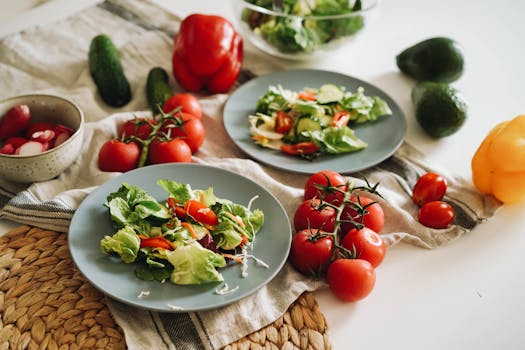
When it comes to weight loss, dinner is often where many women over 40 feel the most unsure. Some try to eat as little as possible, others skip meals altogether, and many rely on repetitive “healthy” meals like salmon and quinoa without understanding what actually makes a meal supportive for long-term results.
The truth is, weight loss after 40 is less about eating perfectly and more about eating strategically. Dinner plays an important role in stabilizing blood sugar, supporting muscle maintenance, and preventing late-night cravings.
Why Dinner Matters More Than You Think
As the day progresses, stress, fatigue, and hormonal fluctuations can influence food choices. Cortisol levels may already be elevated, and blood sugar may have fluctuated depending on earlier meals.
A poorly balanced dinner can lead to:
- Increased hunger later in the evening
- Blood sugar instability overnight
- Poor sleep quality
- Difficulty maintaining a calorie balance
For women over 40, these patterns can make weight loss more challenging over time.
If you’re reading this and thinking, “I’m not even sure what my meals look like most days,” you’re not alone. Many women are eating “pretty healthy,” but small gaps in protein, balance, or consistency can quietly slow progress.
This is exactly why I created my Holistic Weight Loss Nutrition Audit —> to take a clear, honest look at what’s working and what may be holding you back, without extreme dieting.
What the Research Suggests About Meal Composition
Balanced meals that include protein, fiber, and healthy fats are associated with improved satiety and better blood sugar control. Stable blood sugar helps reduce cravings and supports consistent energy levels.
Protein intake is especially important in midlife, as it supports muscle maintenance and metabolic health. Preserving muscle mass becomes increasingly important with age, particularly for women who are actively trying to lose weight.
The Problem With “Healthy” But Unbalanced Dinners
Many women choose foods they believe are healthy but may not be balanced.
For example:
- Grilled chicken with no fiber
- Salad with minimal protein
- Carbohydrates without protein or fat
These meals may seem light, but they often leave you unsatisfied and more likely to snack later.
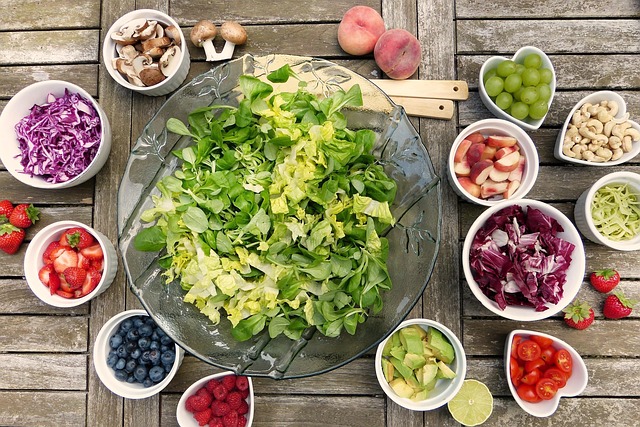
A Simple Framework for a Balanced Dinner
Instead of focusing on specific foods, focus on structure. A balanced dinner should include:
1. Protein: Supports muscle, satiety, and metabolism
Examples:
- Chicken, fish, turkey
- Eggs
- Greek yogurt
- Plant-based proteins
2. Fiber: Supports digestion, gut health, and fullness
Examples:
- Vegetables (leafy greens, broccoli, zucchini)
- Beans or legumes
- Whole grains
3. Healthy Fats: Help slow digestion and improve satisfaction
Examples:
- Avocado
- Olive oil
- Nuts and seeds
How This Supports Weight Loss After 40
When meals are balanced:
- Blood sugar stays more stable
- Cravings decrease
- Energy improves
- Muscle mass is better preserved
For women using GLP-1 medications, appetite may be reduced, but nutrient intake still matters. A well-structured dinner helps ensure that even smaller meals provide adequate nutrition.
A FRESH Start Perspective
At Ample Health & Wellness, I use the FRESH Start framework to help women build sustainable habits that support long-term weight loss. Rather than focusing on restrictive dieting, the goal is to create balanced, realistic meals that work in real life.
How Ample Can Support You
If you’re unsure whether your current eating habits are supporting your energy, hormones, or weight goals, this is where a structured approach can make a difference.
My Holistic Weight Loss Nutrition Audit is designed specifically for women over 40 who want clarity without restrictive dieting. We review your current habits, identify key gaps, and map out simple, realistic adjustments that support sustainable results.
This isn’t about perfection—it’s about understanding your patterns and making changes that actually fit your life.
Small changes start with awareness and sometimes, the first step is simply taking a closer look at what you’re already doing.
About the Author: Dr. Kisha Pickford, DNP, is a board-certified nurse practitioner and holistic nutrition weight loss coach at Ample Health & Wellness. She helps women over 40 achieve sustainable weight loss and whole-body wellness through holistic, evidence-based coaching.
📚 References
- Leidy, H. J., et al. (2020). The role of protein in weight management. The American Journal of Clinical Nutrition.
- Hall, K. D., et al. (2019). Ultra-processed diets and calorie intake. Cell Metabolism.
- Phillips, S. M. (2017). Current concepts in protein intake for muscle health. Applied Physiology, Nutrition, and Metabolism.