Contact Us: (901) 675-6125



After speaking at a recent women’s wellness event, I was reminded of something I already knew from both healthcare and coaching: women over 40 are asking better questions about their health. Not surface-level questions. Real questions.
Questions about labs. Hormones. Facial hair. Supplements. Exercise. Appetite changes. Weight loss medications. Metabolism. And why the body can suddenly feel like it has changed the rules without asking permission.
These conversations matter because they tell us something important: women are paying attention. They are noticing symptoms, patterns, changes, and frustrations that deserve more than a quick answer or a dismissive “that’s just aging.”
At Ample Health & Wellness, I believe women over 40 deserve education, strategy, and support as they navigate weight, hormones, wellness, and prevention. You do not need to know every answer before you take action. But you do deserve to ask better questions and understand what your body may be trying to tell you.
1. “Why Can’t I Get the Labs I Want Ordered?”

One question that came up was about lab testing. Many women want to better understand what is happening in their bodies, but they may feel frustrated when certain labs are not ordered during routine visits.
This can be more complicated than it seems. Sometimes a healthcare provider may not order a lab because it does not meet medical guidelines, may not be covered by insurance, or may not be considered medically necessary based on the visit and diagnosis. That does not mean your concern is not valid. It may simply mean the system is not always designed for deeper wellness-based investigation.
This is where self-advocacy matters. You can ask your provider why a test is or is not recommended. You can ask what symptoms or risk factors would make a test appropriate. You can request a copy of previous labs and begin tracking your own patterns over time.
Some women also explore direct-to-consumer or self-pay lab options when they want additional information. The key is to understand that labs are only one piece of the story. They can be helpful, but they should be interpreted alongside symptoms, medical history, nutrition, medications, stress, sleep, and lifestyle patterns.
💡If you are interested in exploring self-pay wellness labs, Ample Health & Wellness offers access to select lab options you can review and discuss with your healthcare provider.
2. “What Does Facial Hair Mean After 40?”
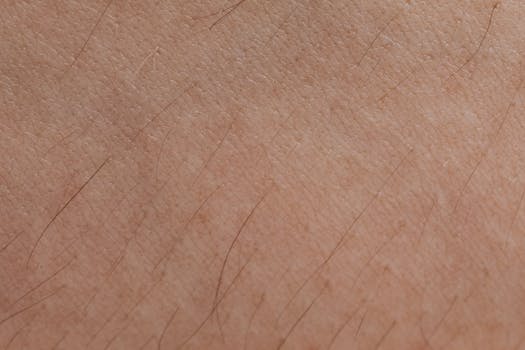
Another question that came up involved unwanted facial hair. For many women, this can feel embarrassing, frustrating, or confusing. It is also more common than people talk about.
Excess coarse hair growth in women is called hirsutism. It can occur when androgen levels, including testosterone-related hormones, are higher or when the body is more sensitive to those hormones. Hirsutism may show up on the chin, upper lip, chest, abdomen, or other areas where women typically do not expect coarse hair growth.
Facial hair can be related to several factors, including polycystic ovary syndrome, insulin resistance, certain medications, menopause-related hormone shifts, or other endocrine concerns. Mayo Clinic notes that many women experience facial hirsutism during menopause, especially on the chin, upper lip, and cheeks.
This is not something women should feel ashamed about. It is a signal worth discussing, especially if the hair growth is new, worsening, or accompanied by other symptoms such as irregular cycles, acne, scalp hair thinning, weight changes, or blood sugar concerns.
Nutrition and lifestyle may not remove facial hair overnight, but they can play a role in supporting metabolic health, insulin sensitivity, and hormone balance. Depending on the cause, medical treatment or dermatologic options may also be appropriate. The Endocrine Society recommends evaluation and treatment options for hirsutism, especially when it causes distress or may be linked to an underlying endocrine disorder.
3. “What Supplements Should Women Take After 40?”
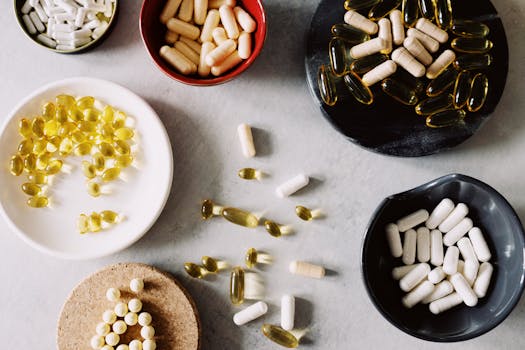
Supplements were another hot topic. And honestly, this question comes up all the time. Women want to know what they should take for hormones, metabolism, energy, menopause, bones, sleep, and weight. The challenge is that supplements are not one-size-fits-all. What one woman needs may not be what another woman needs.
Some commonly discussed supplements for women after 40 include vitamin D, magnesium, omega-3 fatty acids, calcium when appropriate, protein support, fiber, and sometimes targeted nutrients based on labs or symptoms. But supplements should support the foundation — not replace it.
Before buying another supplement, it helps to ask:
- Am I eating enough protein and fiber?
- Am I hydrated?
- Am I sleeping well?
- Do I know what my labs show?
- Am I taking medications that could interact with this supplement?
- Is this supplement solving a real need or just following a trend?
This is where working with a qualified healthcare professional, pharmacist, or trained wellness provider can help. Supplements can be useful, but they work best when they are part of a broader plan that includes nutrition, movement, stress management, sleep, and medical guidance.
💡If you are looking for practitioner-grade supplement options, you can visit Ample’s Fullscript dispensary for curated wellness support.
4. “What Kind of Exercise Do I Really Need After 40?”
Exercise came up too; especially how much is needed and what type matters most.
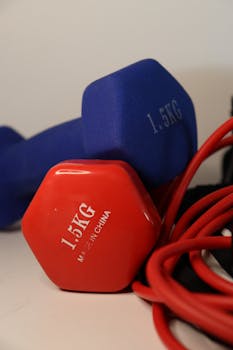
Cardio is still important. Walking, cycling, swimming, dancing, and other forms of aerobic movement support heart health, circulation, mood, stamina, and blood sugar regulation. But after 40, resistance training deserves special attention.
As women age, protecting muscle becomes more important. Muscle supports strength, balance, metabolism, insulin sensitivity, and long-term weight maintenance. The American College of Sports Medicine notes that adults should perform activities that maintain or increase muscular strength and endurance at least two days per week.
This does not mean you need to become a bodybuilder. Resistance training can include bodyweight exercises, resistance bands, light dumbbells, machines, chair-based movements, or functional strength exercises. The most important thing is to start where you are and build consistency.
A good weekly goal may include:
- walking or other cardio most days
- resistance training two or more days per week
- stretching or mobility work
- balance and core training
- rest and recovery
After 40, the goal is not punishment. The goal is protection, strength, and sustainability.
5. “Why Am I Barely Eating on a GLP-1 But Still Not Losing?”
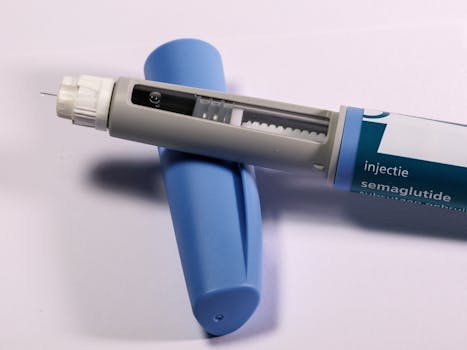
One conversation that stood out involved a woman taking a GLP-1 medication who had very little appetite but was not seeing the progress she expected.
This is a common concern. GLP-1 medications such as tirzepatide can reduce appetite, slow digestion, and help improve blood sugar and weight-related outcomes for many people. Decreased appetite is listed among common adverse reactions for tirzepatide.
But eating less is not the same as being nourished.
When appetite drops too low, some people may unintentionally miss protein, fluids, fiber, and key nutrients. Over time, this can affect energy, bowel habits, muscle protection, and consistency. It may also make it harder to build the habits needed for long-term weight maintenance.
If you are taking a GLP-1 medication and barely eating, it may be time to look closer at what you are eating, not just how little you are eating. Your body still needs nourishment. Protein still matters. Hydration still matters. Strength training still matters. Fiber still matters.
Medication can be a powerful tool, but it works best when paired with a nutrition and lifestyle strategy that supports your body instead of leaving it underfed and underprepared.
The Bigger Message: Your Body Is Giving You Clues

The questions from this event were not random. They were connected.
Labs, facial hair, supplements, exercise, appetite, hormones, and weight all point back to the same bigger issue: women over 40 want to understand their bodies. And that is a good thing.
Your symptoms are not something to ignore. Your weight struggles are not a character flaw. Your changing body is not a reason to give up. It is an invitation to get curious, ask better questions, and build a strategy that fits this season of life.
At Ample Health & Wellness, I help women over 40 take a more holistic and realistic approach to weight loss and wellness. Through nutrition support, habit change, mindset work, and the FRESH Start Framework, we look at the whole woman — not just the number on the scale.
If your nutrition feels confusing, the Nutrition Audit is a simple place to begin. It gives you a closer look at your current eating patterns, hydration, protein intake, meal timing, and habits so you can better understand what may be helping or holding back your progress.
And if you want ongoing monthly support with wellness tools, simple meal ideas, recipes, challenges, and encouragement, the FRESH Life Membership can help you stay connected and consistent beyond the newsletter.
Final Ample Thought
You do not have to wait until everything feels out of control to start asking better questions. After 40, your body may require a different strategy, but that does not mean your best health is behind you. It means this is the season to listen more closely, support your body more intentionally, and stop chasing random advice that was never designed for your life in the first place.
Your body gives clues. Your questions matter. And your next step can be simple.
If this article has you wondering whether your current nutrition patterns are supporting your hormones, metabolism, appetite, and weight goals, the Nutrition Audit is a simple place to begin.
About the Author: Dr. Kisha Pickford, DNP, is a board-certified nurse practitioner and holistic nutrition weight loss coach at Ample Health & Wellness. She helps women over 40 achieve sustainable weight loss and whole-body wellness through holistic, evidence-based coaching.
Note: Labs and supplements should not replace individualized medical care. Always review abnormal lab results, symptoms, medication interactions, and supplement use with a qualified healthcare provider.
📚References
American College of Sports Medicine. (n.d.). Physical activity guidelines.
Endocrine Society. (2018). Hirsutism guideline resources.
Mayo Clinic. (2025). Hirsutism: Symptoms and causes.
Mayo Clinic Press. (2024). Could this be menopause? Exploring lesser-known symptoms and what to do about them.
U.S. Food and Drug Administration. (2025). Mounjaro prescribing information.