Contact Us: (901) 675-6125


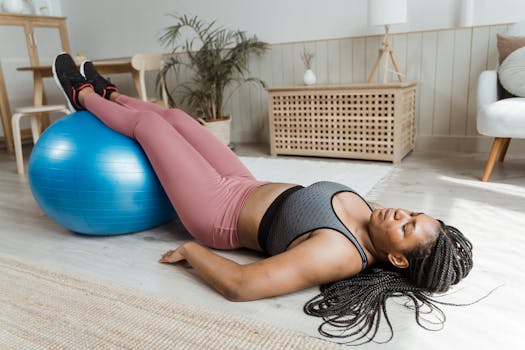
For many women, exercise has become almost synonymous with weight loss.
Walk more.
Burn more calories.
Lose more weight.
But what if movement is valuable even when the scale isn’t moving?
As women enter their 40s, 50s, and beyond, the conversation around exercise needs to change. While movement can certainly support weight loss, its benefits extend far beyond what we see on the scale. In fact, some of the most important reasons to stay active after 40 have nothing to do with losing pounds at all.
Movement supports muscle preservation, metabolic health, cardiovascular function, mood, mobility, balance, and long-term independence. For women navigating hormonal changes, stress, busy schedules, and the realities of aging, movement may be one of the most powerful forms of self-care available.
What Changes After 40?
One reason movement becomes increasingly important is that the body naturally changes with age. Women begin to experience gradual declines in muscle mass, a process known as sarcopenia. Hormonal shifts during perimenopause and menopause can affect body composition, energy levels, sleep quality, and fat distribution. Metabolism may feel slower, recovery can take longer, and everyday activities may feel more physically demanding than they once did.
While these changes are normal, they are not a reason to stop moving. In fact, they are one of the strongest reasons to continue.
Movement Helps Protect Muscle
Many women focus heavily on weight loss but overlook muscle preservation. Muscle is metabolically active tissue that helps support strength, mobility, balance, and healthy aging. It also plays a role in glucose regulation and overall metabolic health. This becomes especially important for women using GLP-1 medications or actively pursuing weight loss. While losing excess body fat can improve health outcomes, losing significant amounts of muscle alongside fat can create challenges over time.
Regular movement, especially resistance training, helps signal the body to maintain muscle during periods of weight loss. The goal is not simply to weigh less. The goal is to remain strong, capable, and healthy.

Movement Supports More Than Physical Health
Exercise is often marketed as a tool for changing how the body looks. But many women discover that some of the greatest benefits occur mentally and emotionally. Regular movement has been associated with:
- Improved mood
- Reduced stress
- Better sleep quality
- Enhanced cognitive function
- Increased energy levels
- Improved confidence
For women managing careers, caregiving responsibilities, family obligations, and daily stressors, movement can serve as a powerful stress-management tool. Even a simple walk can help create mental space and support emotional well-being.
The Best Exercise Is the One You Will Actually Do
One of the biggest mistakes women make is believing they need intense workouts to improve their health. The truth is that consistency often matters more than intensity. Movement can include:
- Walking
- Strength training
- Yoga
- Stretching
- Swimming
- Cycling
- Gardening
- Dancing
- Recreational sports
The most effective exercise program is usually the one that fits your life and can be maintained over time. A woman who walks consistently for years may experience greater long-term benefits than someone who repeatedly starts and stops extreme exercise programs.
Movement and Weight Loss After 40
Weight loss may still be one of your goals, and that is perfectly reasonable. Movement can help support weight management by increasing energy expenditure, preserving muscle mass, improving insulin sensitivity, and supporting overall metabolic health. However, many women become discouraged when exercise alone does not produce dramatic weight loss.
This is where perspective matters. Exercise is not only about calorie burning. It is about creating a healthier body that functions well for years to come. The scale may not always reflect the full value of your efforts.
Where a Nutrition Audit Can Help

Many women tell me they are exercising regularly but still feel tired, hungry, or frustrated with their progress. Often the issue is not movement itself. It may be nutrition. If meals lack adequate protein, fiber, hydration, or overall balance, the body may struggle to recover and perform at its best.
My Holistic Weight Loss Nutrition Audit helps women over 40 take a closer look at their eating patterns and identify practical opportunities to better support energy, wellness, and sustainable weight loss. Sometimes small nutritional adjustments can help maximize the benefits of movement.
Movement and the FRESH Start Framework
At Ample Health & Wellness, I teach women to approach health through the lens of my FRESH Start Framework:
F – Food & Foundations
Building strong nutritional habits that support energy and recovery.
R – Rewire the Mindset
Viewing movement as self-care rather than punishment.
E – Elevate Habits
Creating routines that are realistic and sustainable.
S – Simplify Your Environment
Making healthy choices easier to maintain.
H – Honor Whole Health
Supporting physical, emotional, and metabolic wellness.
Movement fits into every part of this framework because it supports the whole person — not just the number on the scale.
Final Ample Thoughts
As women age, movement becomes less about changing your body and more about supporting your life. The ability to carry groceries, travel, play with grandchildren, maintain independence, reduce stress, and feel strong matters. Those benefits cannot always be measured by a scale.
If you have been viewing exercise solely as a weight-loss tool, consider expanding your perspective. Movement is one of the most powerful investments you can make in your future health.
And the best part? You do not need to be perfect. You simply need to keep moving.
About the Author: Dr. Kisha Pickford, DNP, is a board-certified nurse practitioner and holistic nutrition weight loss coach at Ample Health & Wellness. She helps women over 40 achieve sustainable weight loss and whole-body wellness through holistic, evidence-based coaching.
📚References
- Piercy, K. L., et al. (2018). The Physical Activity Guidelines for Americans. JAMA.
- Westcott, W. L. (2021). Resistance training is medicine: Effects of strength training on health. Current Sports Medicine Reports.
- Bull, F. C., et al. (2020). World Health Organization 2020 guidelines on physical activity and sedentary behavior. British Journal of Sports Medicine.